
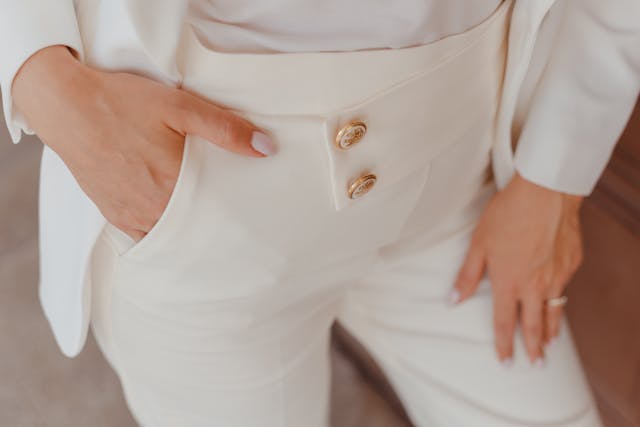
Getting dressed should not feel like a morning negotiation with your closet. Most Americans are juggling work, errands, weather shifts, school drop-offs, coffee runs, and dinner plans in the same day, so outfit formulas make daily fashion feel less like guesswork and more like a repeatable skill. A good look does not need a closet packed with new clothes. It needs a clear pattern your real life can handle.
The smartest dressers are not always the ones buying the most. They are the ones who know how to repeat a shape, switch one piece, and still look current. That is why style inspiration for busy American readers matters more when it feels practical instead of staged. The goal is not to dress like someone else. The goal is to build everyday outfits that work before your coffee kicks in.
Why a Reliable Formula Beats a Packed Closet
A crowded closet can make dressing harder, not easier. Too many pieces create too many tiny decisions, and by the time you choose a shirt, the outfit already feels like work. A reliable formula cuts through that noise by giving your clothes a job before the day begins.
Closet Staples Should Carry More Than One Look
Strong closet staples earn their space because they solve repeat problems. A white button-down, straight-leg jeans, black trousers, a denim jacket, a knit sweater, and clean sneakers can all move across casual, work, and weekend settings without looking lazy.
A woman in Chicago might wear black trousers with a fitted tee and loafers on Monday, then use the same trousers with a soft sweater and ankle boots on Friday. The clothes did not change much, but the mood did. That is the quiet power of structure.
Cheap variety often feels tempting because it gives the illusion of choice. The counterintuitive truth is that fewer strong pieces usually create more wearable outfits than a rack full of random sale finds. Your closet gets calmer when every item can pull weight.
Everyday Outfits Work Best When Shapes Repeat
Good everyday outfits often repeat the same shape with small changes. A fitted top with a wider pant, a loose sweater with slim denim, or a tucked tee with a structured jacket gives your body a clear outline. That outline matters more than the logo on the tag.
American casual style already runs on this idea. Think of a coffee shop in Austin, a school pickup line in Ohio, or a weekend market in Portland. The best-dressed person is often wearing nothing dramatic. The proportions are simply right.
Repeating shapes does not make style boring. It builds recognition. Once you know which shape looks good on you, color, shoes, texture, and accessories can shift without sending you back to zero every morning.
Outfit Formulas That Work for Real American Days
A formula only matters if it survives real life. A look that works for ten minutes in a mirror but fails during a commute, office chair, grocery run, or cold restaurant is not style. It is decoration with poor planning.
How to Build Effortless Style Around One Anchor Piece
Effortless style usually starts with one anchor piece. That anchor might be dark denim, a blazer, wide-leg trousers, a midi skirt, or a sharp coat. Once the anchor is chosen, the rest of the outfit should support it instead of competing with it.
A navy blazer, for example, can guide the whole look. Pair it with a white tee, light jeans, and loafers for a casual Friday. Wear it with black pants and a thin knit for a client meeting. The blazer stays steady while the setting changes.
The mistake is trying to make every piece interesting at once. One anchor gives the outfit confidence. Three anchors make it noisy. The eye needs somewhere to land, and your morning needs fewer arguments.
Casual Looks Need One Polished Detail
Casual clothing can look intentional when one detail feels polished. Jeans and a tee change fast when the tee fits well, the belt looks clean, and the shoes are not beaten down. The outfit still feels relaxed, but it no longer looks accidental.
This matters in the United States because casual dress codes vary wildly. A “casual” office in Seattle may look different from a family brunch in Dallas or a school meeting in New Jersey. One polished detail protects you from looking underdressed without making you feel overdressed.
Try a crisp sneaker, a leather belt, small gold hoops, a structured tote, or a jacket with clean shoulders. None of those pieces screams for attention. They simply tell the room you got dressed on purpose.
Color, Texture, and Fit Make Basics Look Personal
Basics do not stay basic once fit, texture, and color start doing their work. A plain gray sweatshirt can look tired or sharp depending on the cut, fabric, and what sits next to it. This is where personal style grows without needing a dramatic wardrobe change.
Neutral Colors Give You More Room to Repeat
Neutral colors make repetition feel natural. Black, white, navy, gray, camel, denim blue, olive, and cream can rotate through the week without announcing that you wore the same base twice. That is a gift for busy people.
A teacher in Atlanta could wear cream pants with a striped tee on Tuesday, then pair the same pants with a denim shirt on Thursday. Nobody reads that as repetition. They read it as consistency, and consistency often looks more expensive than constant novelty.
The unexpected part is that neutrals can make color more powerful. A red flat, green bag, or blue scarf stands out better when the rest of the outfit stays calm. Color works harder when it is not fighting for space.
Fit Fixes More Than New Clothes Do
Fit changes the entire message of an outfit. A shirt that pulls at the buttons, pants that sag at the knee, or sleeves that swallow the wrist can make good clothing look wrong. The fix may be smaller than people think.
Tailoring does not have to mean formal suits. Hemming jeans, shortening sleeves, taking in a waist, or choosing petite, tall, or curvy cuts can make closet staples feel custom. That small adjustment can save money because you stop replacing pieces that were never the real problem.
Many people blame their body when the cut is the issue. That is backwards. Clothes are manufactured to averages, and no real person is an average from shoulder to ankle. The better question is not “What is wrong with me?” It is “What cut respects my shape?”
Keep Your Morning Routine Fast Without Losing Taste
The best style system is the one you can repeat when life gets messy. A formula should still work when the laundry is half done, the weather app lied, and you have ten minutes before leaving. Taste is not proven by struggle.
Prepare Outfit Pairings Before You Need Them
Prepared pairings remove stress before it starts. Hang a blouse with the pants it works with. Keep a small list on your phone of five combinations that never fail. Take mirror photos on days when the outfit lands well, then reuse that evidence.
A working parent in Phoenix might keep three heat-friendly pairings ready from May through September: linen pants with a ribbed tank, a cotton dress with flat sandals, and shorts with a button-down worn open over a tee. None of it is complicated. That is why it works.
The surprise is that planning outfits can feel freeing rather than restrictive. You are not locking yourself into a uniform. You are giving future-you a shortcut on a morning when patience is low.
Accessories Should Solve, Not Distract
Accessories work best when they solve a problem. A belt shapes the waist. A scarf adds warmth. Sunglasses handle glare. A tote carries the day. Jewelry brings light to the face. When accessories have a purpose, they rarely feel forced.
Effortless style does not need a pile of extras. Two or three steady pieces can become part of your visual signature. Maybe it is small hoops, a watch, and a leather crossbody. Maybe it is a clean cap, silver studs, and a structured backpack.
Too many accessories can make a practical outfit feel uncertain. The goal is not to decorate every blank space. Blank space can look confident, especially when the clothes already fit well.
Conclusion
Personal style gets easier when you stop treating every morning like a brand-new test. A strong wardrobe is built through repeatable choices, honest fit, useful colors, and small details that respect your actual schedule. That is where daily dressing starts to feel calm.
Simple outfit formulas are not about removing creativity. They give creativity a place to stand. Once the base is handled, you can play with shoes, jackets, jewelry, prints, and seasonal pieces without losing the whole look. That balance is what makes fashion useful instead of tiring.
Start with three combinations you already like. Write them down, photograph them, and wear them again with one small change each time. Style grows faster when you study what works instead of chasing what is new. Build the formula first, then let the outfit breathe.
Frequently Asked Questions
What are the easiest outfit formulas for busy mornings?
Start with a fitted top, relaxed pants, and clean shoes. Add one polished layer, such as a blazer, cardigan, or denim jacket. This gives the outfit shape without slowing you down. Keep two backup versions ready for weather changes.
How can I make everyday outfits look more stylish?
Focus on fit, shoes, and one strong detail. A basic tee and jeans can look sharp with a good belt, clean sneakers, and a jacket that fits the shoulders. Small upgrades often make a bigger difference than buying a full new outfit.
What closet staples should every woman own?
Useful closet staples include straight-leg jeans, black trousers, white tees, button-down shirts, knit sweaters, a denim jacket, simple sneakers, loafers, and one neat coat. Choose pieces that match your climate, job, and daily routine.
How do I create effortless style on a budget?
Buy fewer pieces, but make each one easier to repeat. Stick with colors that mix well, avoid trend-only items, and tailor pieces that almost fit. A $15 hem can make pants look better than a more expensive pair with the wrong length.
Can outfit formulas still look creative?
Yes. The formula handles the base, while creativity comes through color, texture, shoes, bags, and jewelry. You might repeat jeans, a tee, and a jacket all week, but change the mood with boots, sneakers, scarves, or layered necklaces.
What colors work best for simple daily fashion?
Black, white, navy, gray, denim blue, camel, olive, and cream are easy to mix. These colors create a calm base and make brighter accents easier to wear. Add color through shoes, bags, lipstick, scarves, or one standout top.
How many outfit formulas do I need?
Five strong formulas can cover most weeks. Build one for casual errands, one for work, one for dinner, one for weekends, and one for bad weather. Once those are reliable, you can rotate details instead of rebuilding your look each day.
Why do my basic outfits look boring?
Basic outfits usually look boring when fit, proportion, or texture is off. Try tucking the top, changing shoe shape, adding a jacket, or mixing fabrics like denim, cotton, leather, and knitwear. A small shift can make the same clothes feel sharper.