
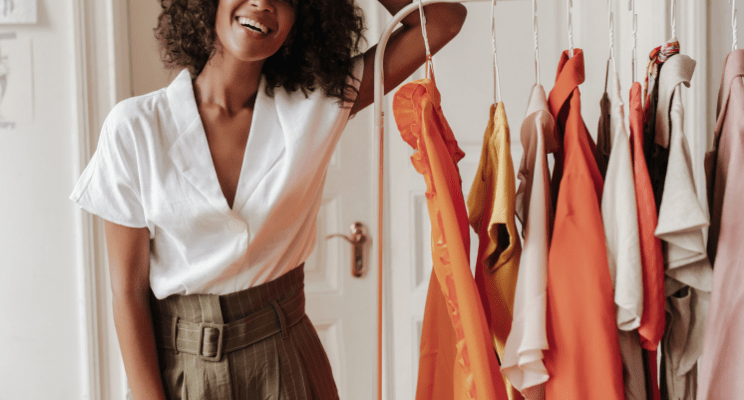
Most rushed outfits do not fail because you own the wrong clothes. They fail because the morning asks you to make too many small decisions before your coffee has even cooled. Fresh Outfit Planning Habits for Busy Mornings can turn that messy half-hour into a calmer routine, especially when work, school drop-offs, errands, meetings, and traffic all compete for the same slice of time. The goal is not to dress like a fashion editor every day. The goal is to walk out looking pulled together without standing in front of your closet feeling annoyed at every hanger.
For many Americans, mornings already run on tight margins. A subway delay in New York, a long school line in Texas, or an early shift in Ohio can shrink your getting-ready time fast. Smart style planning works like any other practical life system: it removes friction before it starts. A helpful source like modern lifestyle and personal style guidance can support that mindset because dressing well is not only about clothes. It is about making your day easier before the day starts making demands.
Build a Morning Closet System That Makes Decisions Easier
A closet should help you move, not stop you cold. When everything is packed together by color, season, fabric, and “maybe someday” pieces, your brain has to sort through too much. The better move is to set up your closet around real mornings, not fantasy mornings where you have unlimited time and a perfect mood.
Why Your Closet Should Match Your Actual Week
Your closet works better when it reflects the life you already live. A nurse in Chicago, a remote worker in Denver, and a sales manager in Atlanta do not need the same setup, even if they like the same clothes. Your best pieces should be easy to see, easy to reach, and easy to repeat without guilt.
A strong morning wardrobe routine starts with grouping clothes by use, not only by type. Keep your work staples together, your casual basics together, and your dressier pieces in a separate zone. That way, your hand moves toward the right section before your mind starts debating every option.
The counterintuitive part is that a smaller visible closet can make you feel like you have more to wear. Too many options create noise. When your reliable pants, tops, layers, and shoes sit in one clear area, getting dressed feels less like a search mission and more like a quick choice.
How to Create a Ready-to-Wear Zone
A ready-to-wear zone is the part of your closet that holds the pieces you can trust on tired mornings. These are clothes that fit today, feel good today, and match at least three other things today. No repairs. No wishful thinking. No pants that require a better mood.
Start with one rail, one drawer, or one section of your closet. Add the jeans that always fit, the blazer that improves plain outfits, the knit top that works under jackets, and the shoes that never betray your feet. This is where closet organization habits become style habits, because the layout quietly guides better choices.
A real example: someone working a hybrid office schedule in Dallas might keep dark jeans, black trousers, two button-downs, two soft tees, loafers, clean sneakers, and a light jacket in the same zone. That small group can cover meetings, errands, casual Fridays, and dinner after work. Less searching. Better mornings.
Use Repeatable Outfit Formulas Without Looking Repetitive
Good style does not require a brand-new idea every morning. It requires a few outfit formulas that suit your body, your schedule, and your local weather. Once you know the shapes that work, you can change color, texture, or accessories without rebuilding the whole look from scratch.
What Makes an Outfit Formula Feel Fresh
An outfit formula is simple: a repeated structure that gives you a reliable result. Wide-leg pants, fitted top, short jacket, and loafers. Straight jeans, white shirt, belt, and sneakers. Midi skirt, fine knit, ankle boots, and a clean bag. The formula stays steady while the details shift.
Quick outfit ideas work best when they are based on proportions instead of trends. A tucked shirt with high-rise pants creates a clear waist. A cropped jacket over a longer top adds shape. A soft sweater with structured trousers balances comfort and polish. You do not need a dramatic piece when the shape already works.
The unexpected insight is that repetition often makes you look more stylish, not less. People remember your overall taste before they remember the exact shirt. A woman in Boston who wears tailored trousers, soft knits, and low heels most weekdays may seem more polished than someone changing style direction every morning.
How to Rotate Details So Outfits Stay Alive
Details keep a formula from feeling stale. Change one piece at a time: the shoe, the belt, the layer, the earrings, or the bag. That small shift gives the outfit a new mood without asking you to start over.
Workday outfit prep becomes easier when you keep detail pairs together. A tan belt with tan loafers. Silver hoops near your gray cardigan. A clean tote beside your weekday jacket. These tiny pairings save time because you are not hunting for the finishing piece when the clock is already rude.
A practical trick: choose one “anchor” item each night and let the rest follow. If tomorrow starts with a client meeting, the anchor might be a blazer. If the day includes errands and school pickup, the anchor might be comfortable sneakers. The outfit forms around the real demand, not around a vague idea of looking nice.
Plan Around Weather, Laundry, and Real-Life Interruptions
The best outfit plan falls apart when it ignores rain, laundry, heat, cold offices, or the fact that the shirt you wanted is still in the hamper. Real style planning respects ordinary life. That is what makes it useful.
Why Weather Should Guide the First Choice
Weather should be the first filter, not the final panic. A beautiful outfit that fails in humidity, snow, wind, or freezing air is not a good outfit for that day. It might be good clothing, but timing matters.
Morning wardrobe routine planning works better when you check tomorrow’s forecast before choosing clothes. In Miami, that may mean breathable fabrics and shoes that can survive sudden rain. In Minneapolis, that may mean layers that still look intentional once the coat comes off indoors.
The strange truth is that outerwear often matters more than the outfit beneath it. For many Americans, the first thing coworkers, neighbors, or clients see is the coat, jacket, or cardigan. A sharp layer can make a plain base outfit look planned, while a tired layer can flatten even your best pieces.
How to Avoid Laundry Surprises
Laundry has a bigger effect on style than most people admit. The missing black pants, the wrinkled blouse, the damp sweater, the socks with no match: these small problems steal time and patience. Better planning starts with knowing which clothes are actually available.
Keep a short list of your high-use pieces. These are the items you reach for every week without thinking. When two or three of them hit the laundry basket at once, your outfit options shrink fast. That is the moment to wash, not the moment to hope.
Closet organization habits also help here because clean clothes return to a clear place. If folded tees always go in one drawer and work pants always hang in one section, you can see gaps before they become morning problems. The system tells the truth before the mirror does.
Prepare Small Style Decisions Before the Day Starts
Mornings feel smoother when the smallest choices have already been handled. You do not need a full outfit board or a color-coded spreadsheet. You need fewer loose ends.
What to Set Out the Night Before
The night-before habit works because it catches problems early. Try the outfit on when possible, especially before important days. A shirt may pull, a hem may sit wrong with the chosen shoe, or a jacket may feel too warm for the weather. Better to learn that at 9 p.m. than at 7:18 a.m.
Workday outfit prep should include the full look, not only the main clothes. Choose underlayers, socks, shoes, jewelry, bag, and coat. The missing piece is usually the one that slows you down. A belt hiding in another room can wreck the calm of an otherwise simple morning.
A grounded example: before an early flight from Phoenix to Seattle, set out a soft base layer, easy pants, slip-on shoes, a light jacket, and a larger tote. The clothes handle airport security, temperature changes, and arrival plans. That kind of planning feels boring until it saves the day.
How to Keep Emergency Outfits Ready
Emergency outfits are not lazy outfits. They are backup plans for days when time disappears. Keep two or three complete combinations ready for low-energy mornings: one casual, one work-ready, and one slightly dressier option.
Quick outfit ideas for emergencies should avoid fussy closures, delicate fabrics, and shoes that need breaking in. A clean tee, structured cardigan, straight jeans, and loafers can rescue a school-run morning. A knit dress, long coat, and ankle boots can save a meeting day with almost no thought.
The counterintuitive move is to make backup outfits better than your average outfit. When the emergency option looks sharp, you stop treating rushed mornings like style losses. You give yourself a safety net that still respects the person you want to be when you leave the house.
Conclusion
A calmer morning usually begins the day before, in the quiet choices nobody sees. You do not need a bigger closet, a luxury budget, or a dramatic style reset. You need clothes that earn their space, formulas that respect your schedule, and small systems that protect your energy when the day starts fast.
Fresh Outfit Planning Habits for Busy Mornings are not about chasing perfection. They are about removing the little style traps that make ordinary days feel harder than they need to be. A clear closet zone, a few outfit formulas, weather-aware choices, and prepared backups can change how you move through the first hour of the day.
Start with one habit tonight. Pick tomorrow’s outfit, include the shoes and layer, and place everything where you can reach it. Do it for a week before changing anything else. The best morning style system is the one that lets you leave the house ready, steady, and fully yourself.
Frequently Asked Questions
How can I plan outfits faster on busy mornings?
Choose two or three outfit formulas that match your normal week, then rotate details like shoes, jackets, and accessories. Keep reliable pieces in one easy-to-reach closet area. The less you search, the faster your morning gets.
What clothes should I keep ready for rushed weekday mornings?
Keep clean jeans or trousers, neutral tops, a dependable layer, comfortable shoes, and one polished accessory ready. These pieces should fit well, match easily, and work for your most common plans without extra styling effort.
How do I create a morning wardrobe routine that works?
Build your routine around your real schedule. Check the weather, choose your main outfit piece, add shoes and layers, then prepare small items like socks, jewelry, and your bag. Repeat the same order each night.
What are the best quick outfit ideas for workdays?
Try straight trousers with a soft knit, dark jeans with a button-down, a simple dress with a jacket, or a tee under a blazer. Each option feels clean without needing too many moving parts.
How can closet organization habits improve daily style?
Clear organization helps you see what fits, what matches, and what needs washing. When your most useful clothes stay visible, you make better choices with less stress and stop forgetting pieces you already own.
Should I choose outfits at night or in the morning?
Night works better for most busy people because you catch problems early. You can notice wrinkles, missing shoes, tight fits, or weather issues before the morning rush begins.
How many backup outfits should I prepare?
Two or three backup outfits are enough for most people. Keep one casual option, one work-ready option, and one dressier option. Each should be complete from clothing to shoes so you can grab it fast.
How do I keep outfit planning from feeling boring?
Use repeatable formulas, then change one detail at a time. A different shoe, jacket, bag, belt, or earring can shift the whole mood without forcing you to rebuild your outfit from zero.