
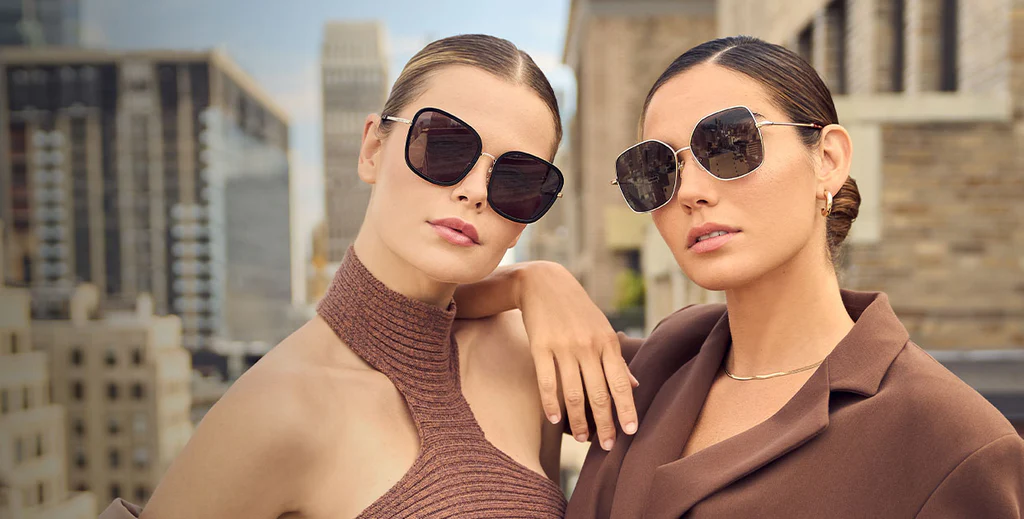
Sunglasses do more than block glare; they change the way your face enters a room. The right pair can sharpen a plain jeans-and-tee outfit, make office casual feel intentional, and give weekend clothes a cleaner finish. Chic Sunglasses work best when they match your face, your daily routine, and the kind of style you want people to read before you say a word. For Americans moving between bright commutes, patio lunches, school runs, beach weekends, and city errands, sunglasses are not a side detail. They are part of the outfit’s structure. A polished pair also fits naturally into the way people build a public image today, whether they follow fashion editors, browse style resources like modern lifestyle publishing, or take cues from what real people wear on sidewalks, not runways. The goal is not to chase the loudest frame. The goal is to choose sunglasses that make your clothes look more certain, your face more balanced, and your personal style easier to trust.
Chic Sunglasses That Match Your Face Instead of Fighting It
Great sunglasses start with proportion, not trend. A frame can look perfect on a celebrity in Los Angeles and still feel wrong on you in a Target parking lot because your face shape, brow line, cheekbones, and head width are doing different work. Style gets stronger when the sunglasses look like they belong to your features rather than sitting on top of them.
How do you choose sunglasses for your face shape?
Face shape matters, but not in the stiff way most guides explain it. Round faces do not always need harsh rectangles, and square faces do not always need soft ovals. The better rule is contrast with restraint. If your face has soft curves, a slightly defined frame can add structure. If your face has sharp angles, a rounded or softened frame can reduce tension.
A real example shows up every summer in American suburbs. Someone buys oversized square sunglasses because they look expensive online, then realizes the frames swallow their face during school pickup or grocery runs. The issue is not confidence. The frame is doing too much visual work for the setting.
Why frame width changes everything
Frame width often decides whether sunglasses look refined or awkward. A pair that is too narrow can pinch your face visually, even if it feels fine physically. A pair that is too wide can make your features look smaller and less grounded. The sweet spot usually sits near the widest part of your face, with the temples resting cleanly instead of flaring out.
This detail matters more than most people think. A $25 pair that fits your width can look better than a designer pair that slides down your nose or floats past your cheekbones. Fit has a quiet kind of authority. People may not name it, but they feel it.
Building Stronger Style Through Frame Color and Finish
Once the shape works, color decides the mood. Black feels clean and direct. Tortoise feels warmer. Transparent frames feel modern without shouting. Metal frames can look sharp, but they can also feel thin if the rest of the outfit has weight. The best frame color does not compete with your wardrobe; it extends it.
Which sunglass colors work best for everyday outfits?
Black frames are the safest choice for strong daily wear because they pair with denim, tailoring, activewear, and simple dresses. They give structure to relaxed outfits and keep brighter clothing from feeling scattered. That said, black can look severe on softer wardrobes, especially if you wear cream, beige, blush, olive, or light-wash denim most days.
Tortoise frames solve that problem well. They bring warmth to neutral outfits and look less flat in sunlight. A woman wearing a white button-down, straight-leg jeans, tan sandals, and tortoise sunglasses can look finished without adding jewelry. That is the quiet power of warm frame color.
Why lens shade affects your whole look
Lens shade is not only about sun protection. Dark gray lenses feel crisp and city-ready. Brown lenses feel relaxed and classic. Green lenses can give a vintage edge without looking costume-like. Gradient lenses can soften the face, though they sometimes look too dressy with athletic clothes.
The counterintuitive part is that the most expensive-looking lens is not always the darkest one. Extremely dark lenses can flatten facial expression and make casual outfits feel cold. A medium-dark lens with good clarity often looks more wearable for brunch, errands, road trips, and outdoor dining.
Using Sunglasses to Define Your Personal Style
Sunglasses become powerful when they repeat something already true about your clothes. If your wardrobe leans classic, your frames should have clean lines. If your style feels relaxed, your sunglasses can carry softer shapes. If you dress with edge, sharper frames can make that message clear fast. The mistake is buying sunglasses for a fantasy version of your wardrobe.
How can sunglasses make simple outfits look polished?
Simple outfits need one strong anchor, and sunglasses can do that job without making the look feel crowded. A plain black tank, wide-leg jeans, and leather slides can look basic until you add a bold rectangular frame. Suddenly the outfit has intention. Nothing changed except the signal around the face.
This works because people read faces first. Shoes matter, bags matter, jackets matter, but sunglasses sit where attention lands. A clean frame can make a low-effort outfit look edited. That is why sunglasses matter so much in cities like New York, Miami, Austin, and Los Angeles, where people often dress for movement across several settings in one day.
When should you avoid trend-heavy frames?
Trend-heavy frames can be fun, but they date fast. Tiny ovals, extreme wraparounds, colored shield lenses, and unusually narrow frames may look current for one season and forced the next. They also demand the right clothes around them. Without that support, they look less like style and more like a costume piece.
A better move is to let one pair carry personality while another stays classic. Keep a clean everyday frame for most outfits, then use a bolder pair for concerts, vacations, beach weekends, or nights out. Strong style does not require every accessory to speak at full volume.
Practical Details That Make Sunglasses Worth Wearing
Style falls apart when sunglasses annoy you. Sliding frames, poor lenses, loose arms, and cheap hinges can ruin even the best shape. A pair has to survive real American routines: driving into low sun, walking through parking lots, sitting outside at lunch, chasing kids at a park, or moving between air-conditioned stores and hot sidewalks.
What should you check before buying sunglasses?
Start with comfort across the nose and behind the ears. Sunglasses should feel secure without pressure. Look down, turn your head, and smile while wearing them. If they shift too much, they will bother you later. If they press into your cheeks, makeup may smudge and the frame may fog in heat.
Lens quality deserves equal attention. Polarized lenses help reduce glare while driving, especially near water, glass buildings, wet roads, and bright pavement. UV protection matters more than lens darkness. A dark lens without proper UV protection can be worse than no sunglasses because your pupils open wider behind the tint.
How many pairs does a stylish wardrobe need?
Most people do not need a drawer full of sunglasses. Three pairs can cover almost every situation: one classic everyday pair, one softer casual pair, and one statement pair. That small rotation gives you range without clutter. It also makes your choices faster in the morning.
The smartest buyers think in outfits before they think in brands. If a frame works with your favorite jeans, your go-to coat, your summer dresses, and your airport outfit, it will earn its space. Brand names fade in importance when the pair keeps making you look better.
A strong pair of sunglasses should feel like a signature, not a disguise. The best choices support your face, fit your real clothes, and make ordinary moments look more considered. Chic Sunglasses are worth choosing carefully because they sit at the center of your expression, your outfit, and your first impression. Skip the pair that only looks good in a product photo. Choose the one that makes you stand taller when you catch your reflection outside. Start with fit, trust your daily wardrobe, and buy the frame you will reach for without second-guessing.
Frequently Asked Questions
What sunglasses look best for everyday American style?
Classic rectangular, soft square, aviator, and subtle cat-eye frames work well for daily American style. They pair easily with denim, workwear, casual dresses, activewear, and weekend outfits without looking too dressed up or too plain.
How do I know if sunglasses fit my face correctly?
The frame should sit near the widest part of your face without pinching or sliding. The arms should rest comfortably, the lenses should not touch your cheeks, and the bridge should stay steady when you move your head.
Are black or tortoise sunglasses more stylish?
Black sunglasses feel sharper and more structured, while tortoise sunglasses feel warmer and more relaxed. Black works best with bold, minimal, or city outfits. Tortoise works well with neutrals, denim, linen, and softer everyday wardrobes.
What sunglasses shape makes a simple outfit look better?
A clean square or rectangular frame usually adds the most polish to simple outfits. It gives structure to basics like jeans, T-shirts, tanks, button-downs, and casual dresses without needing extra accessories.
Should I buy polarized sunglasses for daily use?
Polarized sunglasses are useful if you drive often, spend time near water, or deal with bright pavement and glare. They can make outdoor vision more comfortable, but UV protection should still be your first priority.
How many sunglasses should I own for a complete wardrobe?
Three pairs are enough for most people: one everyday classic pair, one relaxed casual pair, and one bolder statement pair. This gives variety without making your accessory choices feel cluttered or confusing.
Do expensive sunglasses always look better?
Expensive sunglasses do not always look better. Fit, proportion, lens quality, and frame finish matter more than the logo. A mid-priced pair that suits your face can look more stylish than a luxury pair that fits poorly.
What sunglass trend should I avoid if I want timeless style?
Avoid extreme shapes that only work with a narrow set of outfits, such as ultra-tiny lenses, oversized shields, or loud novelty frames. Timeless style usually comes from balanced proportions, clean colors, and frames you can wear across many settings.