
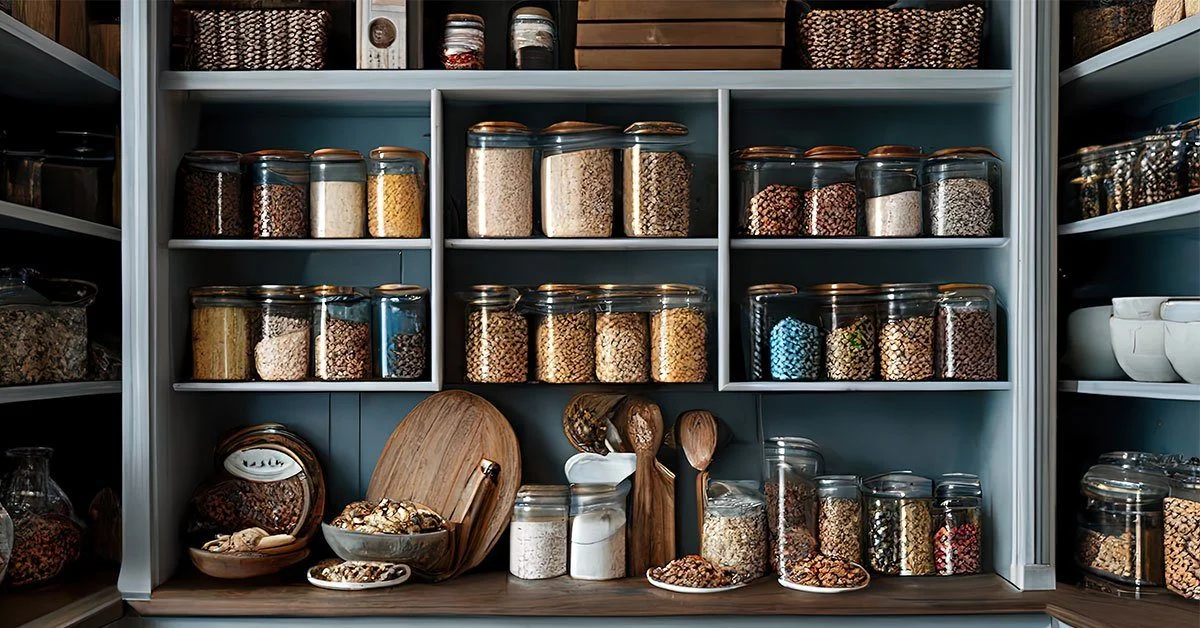
Dinner gets harder when every ingredient feels like it is hiding from you. A calm shelf can change the whole pace of a weeknight, and Pantry Systems make that change feel possible without turning your kitchen into a showroom. Most American homes do not need a bigger kitchen first. They need food storage that tells the truth about what is available, what is running low, and what should be used before it becomes a sad bag at the back of the shelf. That small shift saves more than time. It saves the mental drag that comes from opening a cabinet and feeling behind before the meal even starts. A smart pantry also supports faster meal prep because you stop hunting and start cooking. For families building better home routines, practical guides from trusted home organization resources can help turn daily habits into systems that last. The point is not perfection. The point is a kitchen that helps you move.
Pantry Systems That Make Ingredients Easier to See
A pantry works best when it stops acting like storage and starts acting like a clear map. Most people lose time because the shelf has no logic. Pasta sits near snacks, cans hide behind cereal, and baking items land wherever there is space. Once you sort food by how you cook, not by how it arrived from the grocery store, the room begins to serve the meal.
Build Zones Around Real Meals, Not Pretty Labels
Good zones come from your actual week. A family in Ohio making tacos every Tuesday needs tortillas, beans, seasoning, rice, salsa, and canned corn near each other. A single professional in Dallas who packs lunches needs tuna, crackers, nuts, soup, and quick grains in one reach. The label matters less than the meal pattern behind it.
This is where many kitchen storage ideas fail. They copy photos instead of behavior. A shelf marked “breakfast” only helps if breakfast is a daily decision point. If nobody cooks oatmeal, that label becomes decoration, and decoration does not save a tired person at 6:15 p.m.
Try sorting your pantry into active cooking zones first. Keep weeknight dinner items at eye level, breakfast items near bowls or coffee supplies, baking items together, and snacks where kids can reach them without tearing through the whole cabinet. The surprising part is that a less attractive system often works better because it matches real hands, real habits, and real mess.
Use Clear Containers Only Where They Solve a Problem
Clear bins can help, but they are not magic. They work best for loose items that scatter, such as granola bars, spice packets, rice pouches, tea bags, and snack packs. They also help when several people share one kitchen because everyone can see the same inventory without asking where things went.
Decanting every dry good into matching containers sounds tidy, but it can become another chore. Flour, sugar, oats, and cereal may earn containers because they spill, stale, or attract pests. A sealed bag of lentils you use twice a month may not need a new home. The pantry should reduce work, not create a second job after every grocery run.
A strong rule is simple: containerize what causes friction. If a bag tips over, a box collapses, or tiny packets vanish, give it a bin. If the original package works fine, let it stay. Faster meal prep depends on fewer decisions, and that includes deciding how much organizing you can sustain.
Turn Small Pantry Organization Into Weeknight Speed
The biggest pantry gains often show up in the smallest spaces. Apartment cabinets, narrow closets, and older galley kitchens can still cook fast when every inch has a job. The mistake is treating a small pantry like a failed large pantry. It needs its own rules.
Keep the Fastest Foods in the Fastest Reach
A small pantry should give prime space to the foods that save dinner. Put rice, pasta, canned tomatoes, beans, broth, tuna, noodles, tortillas, peanut butter, and shelf-stable sauces where you can reach them without shifting anything. These ingredients carry weeknight meals when fresh groceries run thin.
This is the core of small pantry organization. The best shelf is not for the prettiest items. It is for the items that rescue you when soccer practice runs late, traffic steals an hour, or the plan to cook chicken turns into grilled cheese and soup. Your pantry should understand those nights before they happen.
Reserve lower or higher shelves for backup stock. Extra flour, holiday baking supplies, bulk paper goods, and rarely used canned goods can live outside the main cooking zone. A cramped kitchen becomes workable when the first reach gives you what tonight needs.
Use Vertical Space Before Adding More Storage
Most pantry shelves waste height. Stackable bins, shelf risers, turntables, and door racks can make a shallow pantry feel deeper without crowding the room. A two-tier shelf for cans lets you read labels from the back row. A turntable handles oils, vinegars, honey, and sauces that otherwise form a sticky crowd.
Many kitchen storage ideas push people toward buying more furniture, but the better move is using the air already inside the cabinet. A door rack can hold spices, wraps, packets, or kids’ snacks. A narrow riser can separate breakfast items from lunch supplies without adding another shelf to clean.
One warning matters here. Do not stack so high that every meal becomes a balancing act. The pantry is not a warehouse. If grabbing pasta causes three boxes to fall, the system is failing in silence. Good storage should feel boring because it works without drama.
Faster Meal Prep Starts With Smarter Inventory Habits
Cooking slows down when you discover missing ingredients after the stove is on. A tidy pantry helps, but inventory habits make it dependable. You do not need a spreadsheet or a barcode scanner. You need a simple rhythm that shows what to buy, what to use, and what to stop buying.
Create a “Use First” Spot That Prevents Food Waste
Every pantry needs one small area for food that should move soon. This can be a basket, a half shelf, or a labeled bin. Put opened crackers, nearly finished pasta, older cans, extra sauce packets, and soon-to-expire items there. The goal is not guilt. The goal is visibility.
A family in Florida might place half-used taco shells, one can of black beans, and an older jar of salsa in this zone on Sunday. By Wednesday, dinner is almost chosen. Add eggs, rice, or ground turkey, and the pantry has already done part of the thinking.
This habit supports faster meal prep because it turns leftovers and odd amounts into meal prompts. It also exposes buying patterns. If three bags of chia seeds keep landing in the basket and nobody eats them, the pantry is telling you the truth. Stop buying the idea of a lifestyle you do not cook.
Keep a Running Grocery List Where the Pantry Lives
The best grocery list starts at the shelf, not in the car. A small magnetic pad, phone note, whiteboard, or shared family app can work. The tool matters less than the rule: when the backup gets opened, the item goes on the list.
This is the quiet engine behind an easy cooking routine. You avoid buying a fifth bottle of barbecue sauce because you can see what you have. You also avoid missing olive oil because someone used the last backup and said nothing. A list at the point of use closes that gap.
A strong pantry does not aim for endless stock. Too much food can slow you down because choices pile up. Keep one open item and one backup for staples your household uses weekly. For slower items, keep one and replace it only when it runs low. Abundance feels safe until it becomes clutter with expiration dates.
Design the Pantry Around How Your Household Actually Cooks
A pantry should match the people who open it. A retired couple in Arizona, a parent with three school-age kids in Michigan, and a renter in New York do not need the same setup. The right system respects appetite, schedule, budget, reach, and energy.
Give Every Cook a Clear Path
Shared kitchens break down when one person understands the pantry and everyone else guesses. Labels help, but placement helps more. Put kid snacks low, baking items away from daily dinner goods, and allergy-safe foods in a clear separate zone. If a roommate shares shelves, divide by person or by category before frustration builds.
This is where small pantry organization becomes a household peace tool, not only a storage plan. When people can find what they need without asking, the kitchen carries less tension. Parents stop answering the same snack question. Partners stop buying duplicates. Roommates stop moving each other’s food into mystery corners.
The counterintuitive move is allowing a little personal mess inside a clear boundary. A kid snack bin can be imperfect. A roommate shelf can look different from yours. The larger pantry stays sane because the mess has borders.
Make Restocking Feel Like Part of Cooking
Restocking should not feel like a separate project saved for a free weekend. The best time to reset a pantry is often after grocery shopping or before trash day. Toss empty boxes, move older goods forward, refill only the containers that earn their place, and place new items behind current ones.
An easy cooking routine depends on this small reset. Ten calm minutes after shopping can save scattered minutes every night for a week. It also keeps bulk buying under control. Warehouse deals look good until thirty pounds of food block the ingredients you use daily.
Pantry Systems work when they fit your life on an ordinary Tuesday, not when they shine for a photo. Build zones from real meals, let containers solve true problems, track food before it disappears, and give every person in the home a way to find what they need. The payoff is not only faster cooking. It is less friction at the exact hour when patience is already thin. Start with one shelf today, choose the foods you reach for most, and make that shelf impossible to misunderstand.
Frequently Asked Questions
How do I start organizing a pantry for faster home cooking?
Start by removing expired food, grouping ingredients by meal type, and placing daily cooking staples at eye level. Keep dinner items together first because they save the most time. Add bins only for loose items that spill, scatter, or disappear behind larger packages.
What are the best pantry zones for busy families?
Busy families usually need zones for breakfast, school snacks, weeknight dinners, baking, canned goods, and backup stock. Keep kid-friendly items low and dinner staples near the front. The goal is faster access, fewer questions, and less digging during the busiest parts of the day.
How can a small pantry stay organized without feeling crowded?
Use shelf risers, door racks, narrow bins, and clear category limits. Keep the most-used food in the easiest reach and move bulk extras elsewhere. A small pantry works better when it holds active ingredients, not every backup item the household owns.
Are clear pantry containers worth buying?
Clear containers are worth buying for foods that spill, go stale, or look confusing in opened bags. Flour, sugar, rice, cereal, and snack packets often benefit. They are not needed for every item, especially foods that already store well in their original packaging.
How often should I reset my pantry?
A light reset once a week keeps the pantry under control. Move older food forward, remove empty boxes, update the grocery list, and check the “use first” area. A deeper clean every season is enough for most homes unless the pantry handles heavy daily cooking.
What pantry items help with quick weeknight dinners?
Useful staples include pasta, rice, canned tomatoes, beans, broth, tortillas, tuna, noodles, lentils, nut butter, sauces, and shelf-stable vegetables. These ingredients can turn fresh leftovers into meals fast, especially when they sit together in one easy dinner zone.
How do I stop buying duplicate pantry items?
Keep a grocery list near the pantry and write items down when the backup gets opened. Store duplicates behind the open item, not in random places. Clear zones also make extra stock visible before shopping, which helps prevent repeat purchases.
What is the easiest pantry system for beginners?
The easiest system uses broad categories: breakfast, snacks, dinner staples, baking, canned goods, and extras. Avoid over-labeling at first. Once you see how your household reaches for food, adjust the zones around real habits instead of forcing a perfect layout.