
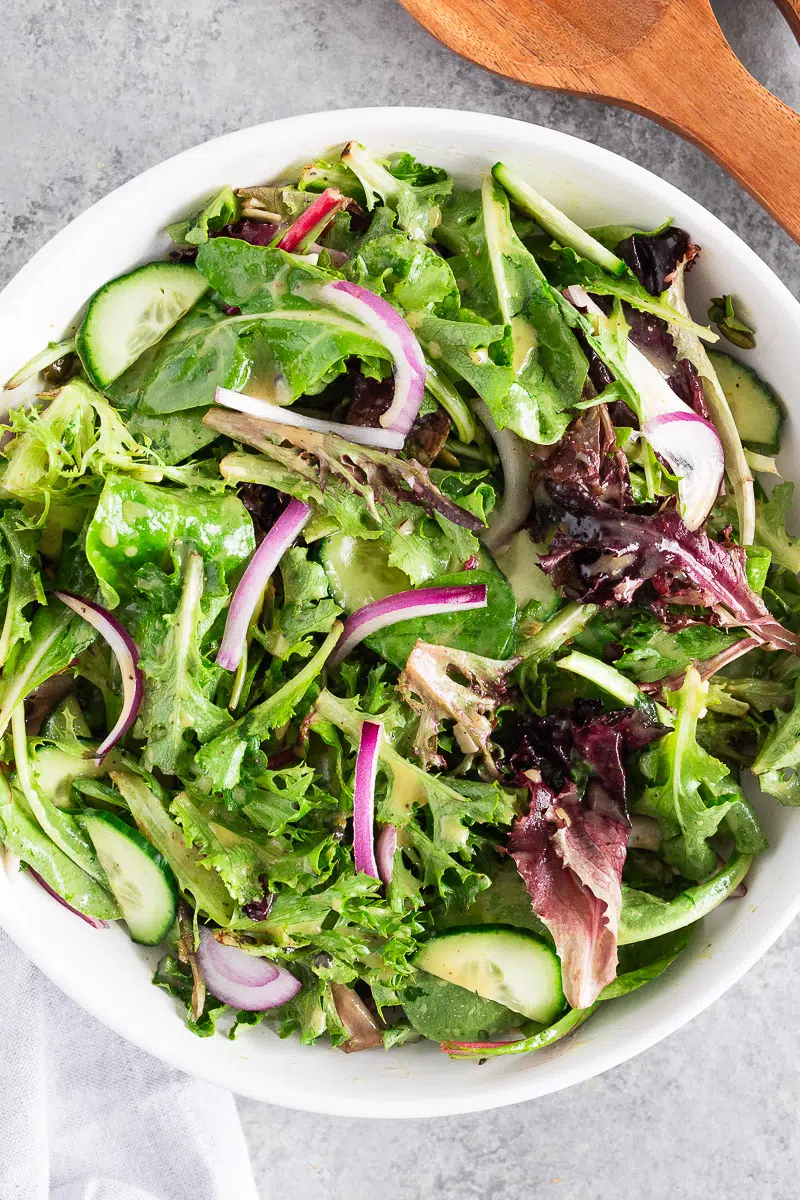
Lunch can fall apart faster than dinner because everyone is hungry, busy, and one bland plate away from reaching for snacks. Easy Salad Recipes solve that problem when they feel filling, colorful, and worth repeating, not like a sad bowl of lettuce pretending to be a meal. A good family salad has crunch, protein, comfort, and a dressing that pulls the whole thing together.
For many American households, lunch has become a moving target. Parents work from home, kids pack meals for school, and weekends disappear into errands. That is why smart food planning matters as much as flavor. Even brands that care about better everyday lifestyle choices know people stick with meals that save time without feeling cheap or rushed. A salad should work the same way.
The trick is not making salad fancier. The trick is making it dependable. When you know how to build fresh family lunches from what you already buy, your kitchen stops feeling like a guessing game. You get meals that travel well, taste good cold, and leave everyone full enough to keep going.
Easy Salad Recipes That Feel Like Real Lunch
A salad becomes lunch only when it has enough weight to carry the afternoon. Lettuce alone will not do it. The best bowls have a base, a protein, a crisp bite, something creamy or sweet, and a dressing with enough personality to wake everything up.
Build Around Protein Before You Think About Greens
Protein should be the first choice, not the final topping. Grilled chicken, hard-boiled eggs, tuna, chickpeas, turkey, black beans, salmon, and tofu all turn a bowl from side dish into lunch. In many U.S. homes, leftover rotisserie chicken is the quiet hero here because it saves time and still tastes good cold.
A family Cobb-style salad is a strong example. Start with chopped romaine, then add chicken, boiled eggs, tomatoes, avocado, cucumber, and a light ranch or vinaigrette. Kids can skip what they dislike, adults can add extra pepper or onions, and no one feels trapped by one fixed plate.
Protein also protects the salad from snack hunger. A lunch that looks healthy but leaves you searching the pantry at 2 p.m. has failed. That is the detail many people miss.
Use Texture Like a Shortcut to Better Flavor
Crunch makes salad feel more satisfying before the dressing even lands. Toasted sunflower seeds, crushed pita chips, roasted chickpeas, tortilla strips, apples, celery, cucumbers, and cabbage all bring energy to the bowl. They also keep healthy lunch salads from feeling flat.
One counterintuitive move is to use less lettuce and more sturdy vegetables. Shredded carrots, red cabbage, bell peppers, snap peas, and broccoli slaw hold up longer than delicate greens. They also make quick salad ideas easier to prep on Sunday without ending up with wilted containers by Tuesday.
Texture gives the mouth something to do. That sounds small, but it is the reason one salad feels like punishment and another feels like lunch from a good café.
Fresh Family Lunches Need Flexible Ingredients
A family salad plan should not demand twelve special groceries every week. It should bend around what is already in the fridge. The more flexible the formula, the more likely it becomes part of real life instead of another abandoned meal idea.
Keep One Base, Then Change the Mood
A reliable base saves mental energy. Romaine, spinach, spring mix, cabbage slaw, cooked pasta, quinoa, or brown rice can all work. Once the base is set, you can shift the whole meal with toppings and dressing.
For example, a bag of chopped romaine can become a taco salad with black beans, corn, salsa, cheddar, and crushed tortilla chips. The same romaine becomes a Greek-style bowl with cucumber, tomatoes, feta, olives, grilled chicken, and lemon dressing. That one change keeps family salad meals from tasting repeated.
This is where many home cooks overthink lunch. Variety does not always mean buying more. Often, it means changing the accent.
Make Dressings That Match Busy Days
Bottled dressing is fine when it tastes good, but a few homemade options can make quick salad ideas feel fresher. A jar of lemon vinaigrette, honey mustard, yogurt ranch, or chipotle lime dressing can last several days and turn plain leftovers into something worth eating.
A basic lemon dressing needs olive oil, lemon juice, Dijon mustard, honey, salt, and pepper. Shake it in a jar and taste it with a leaf, not a spoon. Dressing behaves differently once it touches vegetables, so the spoon test can lie to you.
Fresh family lunches work better when dressing stays separate until serving. Packed salads stay crisp, school lunches avoid soggy greens, and adults can control how much they want. One small container can save the whole meal.
Healthy Lunch Salads Kids and Adults Can Share
Family meals get easier when everyone starts from the same foundation. That does not mean every person eats the exact same bowl. It means the kitchen makes one core salad, then each person adjusts it without turning lunch into a short-order diner.
Create a Salad Bar Without Making a Mess
A small salad bar sounds like more work, but it often saves arguments. Put the base in one large bowl, then set out toppings in small containers: chicken, cheese, beans, cucumbers, carrots, fruit, nuts, seeds, croutons, and two dressings. Each person builds what they want.
This works especially well for weekend lunches after soccer games, grocery runs, or church. Nobody has to wait for a hot meal, and picky eaters get some control without taking over the menu. Healthy lunch salads become less about rules and more about choice.
The unexpected benefit is portion awareness. Kids often try a new topping when it is sitting there without pressure. Adults also notice which add-ons make them feel better through the afternoon.
Add Familiar Flavors Before New Ones
A salad becomes more welcome when it borrows from meals your family already likes. Cheeseburger salad, chicken Caesar pasta salad, taco salad, barbecue chicken salad, and BLT chopped salad all use familiar flavor memories. The greens stop feeling like the main event and start acting like the base.
A BLT chopped salad is a good starter. Use romaine, cherry tomatoes, turkey bacon or regular bacon, diced avocado, chicken if needed, and a creamy yogurt dressing. Serve toast triangles on the side for kids who want the sandwich feeling.
Family salad meals should meet people halfway. You can add more vegetables over time, but the first win is getting everyone to eat lunch without complaints. That win counts.
Quick Salad Ideas for Make-Ahead Lunch Boxes
Packed salads need a different mindset than salads eaten at the counter. They have to survive time, movement, and temperature changes. The best make-ahead versions are built in layers and use ingredients that do not collapse by noon.
Layer Ingredients So Nothing Turns Soggy
Start with dressing at the bottom if using a jar, then add sturdy items like beans, cucumbers, carrots, corn, pasta, chicken, or grains. Greens go near the top, followed by crunchy toppings in a separate bag or container. When lunch arrives, shake or pour everything into a bowl.
Mason jar salads became popular for a reason, but regular meal-prep containers work too. The real rule is moisture control. Tomatoes, dressing, and juicy fruit should never sit directly against delicate greens for hours.
A Southwest chicken jar salad holds up well. Add chipotle dressing, black beans, corn, chicken, peppers, romaine, and tortilla strips on the side. It tastes like lunch, not leftovers trying to survive.
Prep Components Instead of Full Salads
Full salads can age badly, but components hold up. Wash and dry greens, chop sturdy vegetables, cook proteins, boil eggs, rinse beans, and make one dressing. Then build lunch in five minutes.
This method also reduces waste. If nobody wants salad on Wednesday, the chicken can go into wraps, the vegetables can land in omelets, and the beans can move into rice bowls. Quick salad ideas should protect your grocery budget, not punish it.
One quiet truth about meal prep is that flexibility beats perfection. A fridge full of finished containers can feel efficient on Sunday and boring by Tuesday. Components let the family change its mind without wasting food.
Conclusion
A better lunch routine does not start with a perfect recipe. It starts with a repeatable way to think about food when everyone is hungry and time is thin. Build the base, add enough protein, protect the crunch, and keep dressing under control. That pattern can carry dozens of meals without making lunch feel copied and pasted.
Easy Salad Recipes work best when they respect real family life. Some days you have grilled salmon and homemade vinaigrette. Other days you have bagged greens, leftover chicken, and ranch. Both can be lunch if the bowl has balance and enough flavor to make people come back.
The next step is small: choose one salad base, two proteins, three crunchy toppings, and one dressing for the week. Keep it easy, keep it fresh, and let lunch become the meal your family stops rushing through.
Frequently Asked Questions
What are the best salads for family lunch at home?
The best family lunch salads include protein, crunch, and familiar flavors. Chicken Caesar salad, taco salad, Cobb salad, BLT chopped salad, and pasta salad all work well because they feel filling and let each person adjust toppings without changing the whole meal.
How can I make salad filling enough for lunch?
Add a strong protein source, then include healthy fats and texture. Chicken, eggs, tuna, beans, chickpeas, salmon, tofu, avocado, cheese, nuts, and seeds help a salad feel complete. A grain like quinoa, pasta, or brown rice can also make lunch last longer.
What salad ingredients stay fresh for meal prep?
Cabbage, carrots, cucumbers, bell peppers, broccoli slaw, chickpeas, beans, cooked chicken, boiled eggs, quinoa, and pasta usually hold up well. Keep watery ingredients and dressing separate from greens until serving so the salad stays crisp.
How do I pack salad for school lunch?
Use a sturdy container and layer heavier ingredients on the bottom. Keep dressing in a small sealed cup, and pack crunchy toppings separately. Choose ingredients kids already like, such as chicken, cheese, cucumbers, fruit, pasta, or mild ranch dressing.
What dressing is best for fresh lunch salads?
Lemon vinaigrette, honey mustard, yogurt ranch, balsamic dressing, and chipotle lime dressing work well for lunch salads. Pick a dressing that matches the protein and toppings. Creamy dressings suit chicken and bacon, while vinaigrettes pair well with vegetables and grains.
Can salad be made the night before lunch?
Yes, but it should be stored with care. Keep greens dry, dressing separate, and crunchy toppings away from moisture. Sturdy salads with cabbage, pasta, beans, grains, or chopped vegetables usually handle overnight storage better than delicate lettuce salads.
What are healthy salad toppings for kids?
Good kid-friendly toppings include grilled chicken, turkey, boiled eggs, shredded cheese, cucumbers, carrots, apples, grapes, corn, croutons, and sunflower seeds. Small portions help kids try new foods without pressure, especially when they can choose their own mix.
How do I stop homemade salad from getting boring?
Change the flavor theme instead of changing every ingredient. Use the same greens with taco toppings one day, Greek toppings the next, and barbecue chicken later in the week. New dressing, crunch, or protein can make the same base feel fresh.