
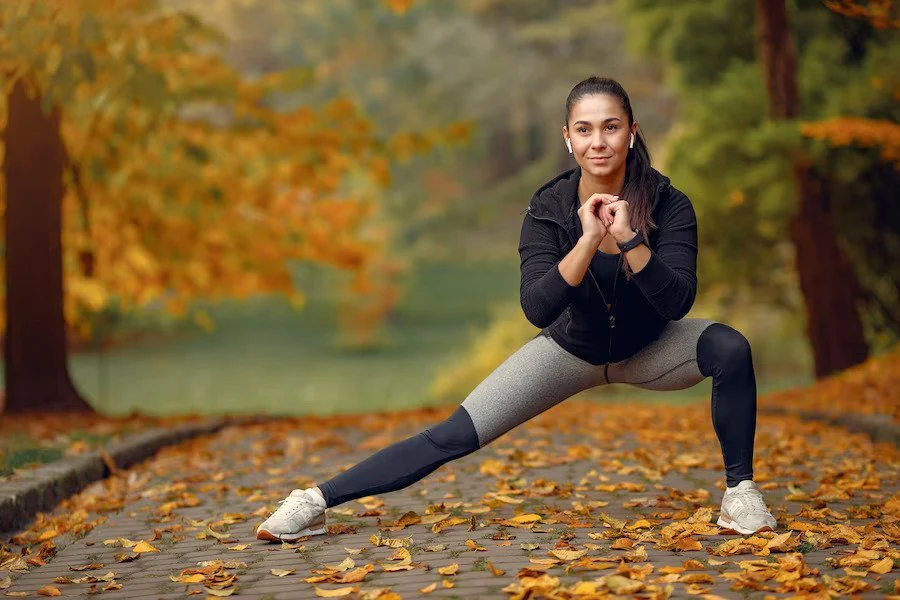
A stiff body can make a strong athlete look awkward fast. You may have power, grit, and a packed training schedule, but gym mobility exercises are what help that strength show up cleanly when you squat, sprint, jump, cut, press, or recover from a hard session. Most Americans who train after work, coach youth sports, lift before school drop-off, or squeeze workouts into a busy week do not need fancier workouts first. They need joints that move well enough to let their muscles do the job.
That is where smart preparation changes everything. A good mobility plan does not feel like punishment, and it does not need to eat half your day. It gives your hips room, your ankles freedom, your shoulders control, and your spine enough motion to keep the rest of you from stealing movement from the wrong places. Readers who follow practical fitness and performance stories already know the small habits often decide whether training feels smooth or forced.
Better athletic movement starts before the heavy set, the pickup game, or the weekend 5K. It starts with teaching your body to move without bargaining.
Build Mobility Where Athletic Power Actually Starts
Power rarely begins where people think it does. Many lifters blame weak legs for a poor squat, tight hamstrings for a bad hinge, or tired shoulders for an ugly press. Sometimes that is true. More often, the real problem sits one joint away from the place that hurts or fails.
A runner in Ohio who keeps fighting calf tightness may not need another calf stretch first. They may need ankle control. A recreational basketball player in Texas who lands with noisy knees may need better hip rotation. Mobility training works best when it respects how joints share work during motion.
Why Hips Control More Than Lower Body Range
Your hips act like the steering wheel for most athletic movement drills. When they lack rotation, your knees and lower back start doing extra work they were never built to handle. That is when a squat folds forward, a lunge twists, or a sprint stride turns choppy.
A simple 90/90 hip switch can expose this fast. Sit with both knees bent, rotate from side to side, and keep your torso tall instead of collapsing backward. The goal is not to win a flexibility contest. The goal is to teach each hip to rotate without panic.
Many gym-goers rush past this because it looks too calm to matter. That is the trap. Quiet drills often fix the loudest problems because they clean up the joint position before speed and load make the issue harder to hide.
How Ankles Shape Squats, Jumps, and Deceleration
Ankles are small, but they have a loud vote. Poor ankle motion can limit squat depth, flatten jumps, and make cutting feel heavy. You may still finish the movement, but your body pays for it by shifting stress somewhere else.
A wall ankle rock is one of the cleanest tests and fixes. Place your foot a few inches from a wall, drive the knee toward the wall, and keep the heel down. If the heel lifts early or the arch caves, the ankle is not giving you clean motion yet.
The counterintuitive part is that ankle mobility is not only about stretching the calf. You also need the foot to stay active. A lazy foot turns ankle work into soft movement with no carryover. Keep the big toe rooted, the heel grounded, and the knee tracking with purpose.
Gym Mobility Exercises That Prepare the Body Before Load
The warm-up should not feel like a random collection of moves you copied from someone at the squat rack. It should match the work ahead. A deadlift day asks for different preparation than a volleyball session, and a pressing workout asks for different joint readiness than a hill sprint.
Gym Mobility Exercises earn their place when they create better positions before the main session begins. They should wake up range, add control, and make your first working set feel less like a negotiation with your own joints.
What Makes a Warm Up Routine Worth Keeping?
A useful warm up routine has a clear job. It raises body temperature, opens the joints you plan to use, and connects those joints to the pattern you are about to train. Random sweating is not the same as preparation.
For a lower-body lift, you might use ankle rocks, hip switches, bodyweight squats, and slow reverse lunges. That sequence moves from joint access to real movement. It tells your body, “This is where we are going.”
Many people stretch the tightest spot and stop there. That feels logical, but it can miss the point. The tightest area is often only the messenger. A stiff front hip may show up because the glutes are asleep, the ribs are flared, or the pelvis cannot find a stable position.
Why Shoulders Need Control Before Heavy Pressing
Shoulders crave freedom, but they also need rules. A shoulder that moves everywhere without control is not athletic. It is unstable. Pressing, throwing, swimming, and pull-ups all demand a shoulder blade that glides well and a rib cage that does not fight the motion.
Wall slides are a good starting point. Stand with your back near a wall, keep your ribs down, and slide your arms upward without shrugging. If your lower back arches hard, you are borrowing motion from your spine instead of earning it from the shoulders.
A banded face pull can then teach the upper back to join the movement. This is where joint flexibility meets strength. Range without control disappears under load, but controlled range sticks around when the workout gets hard.
Turn Mobility Into Movement, Not a Separate Chore
Mobility fails when it lives in a corner of the gym like homework nobody wants to do. The best athletes fold it into training until it feels like part of the session, not an extra task. That shift matters because consistency beats the perfect plan done twice.
A busy parent in Florida may not have 30 minutes for a separate mobility block. A high school athlete in California may skip anything that feels slow. The fix is not guilt. The fix is building mobility training into movements they already respect.
How Loaded Mobility Builds Usable Range
Loaded mobility sounds intense, but the idea is simple. Add light resistance to a position so the body learns to own that range. A goblet squat hold, split squat pause, or light Romanian deadlift can all teach mobility under real conditions.
A goblet squat hold works because the weight acts as a counterbalance. You can sit deeper, breathe, shift slightly, and feel the hips and ankles share the job. You are not forcing depth. You are negotiating better access with control.
This is often better than passive stretching alone. Passive stretching may create a short window of range, but loaded positions teach your nervous system that the range is safe. Safe range gets used. Unsafe range gets locked away when speed, fatigue, or weight enters the room.
Why Rotation Belongs in Every Athletic Plan
Athletes do not move like machines on rails. They rotate, reach, brace, twist, and recover from odd angles. Even if you only lift weights, your body still needs rotation to walk, carry groceries, swing a racket, or throw a ball with your kids.
A half-kneeling thoracic rotation drill gives the upper back room without letting the lower back cheat. Set one knee down, place the opposite foot forward, brace gently, and rotate through the upper spine. Move slowly enough to notice where the motion comes from.
The surprise is that better rotation can make straight-line lifts feel cleaner. When the upper back moves well, the shoulders often press better and the hips can settle into stronger positions. The body is connected whether your workout plan admits it or not.
Protect Recovery by Moving Better Between Hard Sessions
Training stress does not end when you rack the bar. The hours after a workout shape how your next session feels. If you sit all day after heavy squats, sleep poorly, then return to the gym stiff and rushed, your body starts every workout with a handicap.
Recovery mobility should not exhaust you. It should restore motion, calm the nervous system, and keep tissues from feeling glued down. This is where joint flexibility work becomes less about performance hype and more about staying able to train next week.
What Low-Intensity Mobility Does After Training
Low-intensity mobility helps your body downshift. After a hard session, your muscles may feel guarded, your breathing may stay high, and your joints may feel thick. Slow movement tells the system that the threat has passed.
A post-workout sequence can be simple: child’s pose breathing, couch stretch, open-book rotations, and gentle ankle rocks. None of these need to be aggressive. The goal is to leave the gym feeling organized, not drained.
Many athletes make recovery work too dramatic. They attack tight spots like enemies. Better recovery often looks less exciting. It is steady breathing, slow positions, and enough patience to let the body stop bracing.
How Daily Life Steals Athletic Movement
The gym does not get a fair fight against ten hours of sitting. A one-hour training session cannot undo every stiff position from a workday, commute, couch, and phone posture. That does not mean you need to live like a monk. It means small breaks matter.
A two-minute movement snack can change the day. Stand up, reach overhead, rotate your upper back, stretch one hip flexor, and perform a few calf raises. Do that between meetings and your evening warm-up will not feel like a rescue mission.
Here is the honest part: many people do not have a mobility problem as much as they have a repetition problem. They repeat the same seated shapes for years, then act shocked when their body remembers them. Movement between workouts is not extra credit. It is maintenance.
Conclusion
Better movement is not reserved for elite athletes with private coaches and endless free time. It belongs to anyone willing to pay attention before pain or stiffness starts making decisions for them. The smartest plan is not the one with the longest drill list. It is the one you can repeat, adjust, and feel working inside real training.
Start with the joints that change the most: hips, ankles, shoulders, and upper back. Add control before load, then bring that control into the lifts, runs, games, and daily habits you already do. Gym mobility exercises should not make training feel softer. They should make it sharper, cleaner, and more honest.
Choose three drills before your next workout and perform them with care instead of rushing through them. Your body will tell you which ones deserve to stay.
Frequently Asked Questions
What are the best mobility exercises before a gym workout?
Start with movements that match your session. For lower body training, use ankle rocks, 90/90 hip switches, and bodyweight squats. For upper body work, use wall slides, band pull-aparts, and thoracic rotations. Pick drills that improve your first working set.
How long should mobility training take before lifting weights?
Most people need 8 to 12 minutes before lifting. That gives enough time to warm the body, open key joints, and practice the movement pattern ahead. Longer is not always better. A focused short routine beats a long routine done without attention.
Can mobility exercises help reduce gym injuries?
They can lower risk by improving positions, control, and movement awareness. They do not guarantee protection, since fatigue, poor load choices, and bad technique still matter. Mobility work helps most when paired with smart programming and honest recovery habits.
Should I do mobility work every day?
Daily mobility can help, but it does not need to be intense. Short sessions work well on rest days, especially for hips, ankles, shoulders, and upper back. Treat daily work as movement maintenance, not another hard workout to survive.
What is the difference between stretching and mobility?
Stretching focuses on lengthening tissue or holding a position. Mobility adds control, strength, and movement through that range. Both can help, but mobility tends to carry over better to squats, running, jumping, lifting, and sports because it trains usable motion.
Are hip mobility drills good for athletes?
Hip mobility drills are excellent for athletes because the hips influence sprinting, jumping, squatting, lunging, and changing direction. Better hip control can reduce compensation at the knees and lower back. The key is slow, clean motion before adding speed.
Why do my ankles feel stiff during squats?
Ankles often feel stiff because the calves, foot position, or joint control limit forward knee travel. When that happens, the heels lift or the torso folds. Wall ankle rocks and controlled calf raises can help restore better squat mechanics over time.
Can beginners do athletic movement drills safely?
Beginners can do them safely when they move slowly and avoid forcing range. Start with bodyweight drills, steady breathing, and clean positions. Pain is a stop sign, not a challenge. Good mobility should feel controlled, not sharp or threatening.