
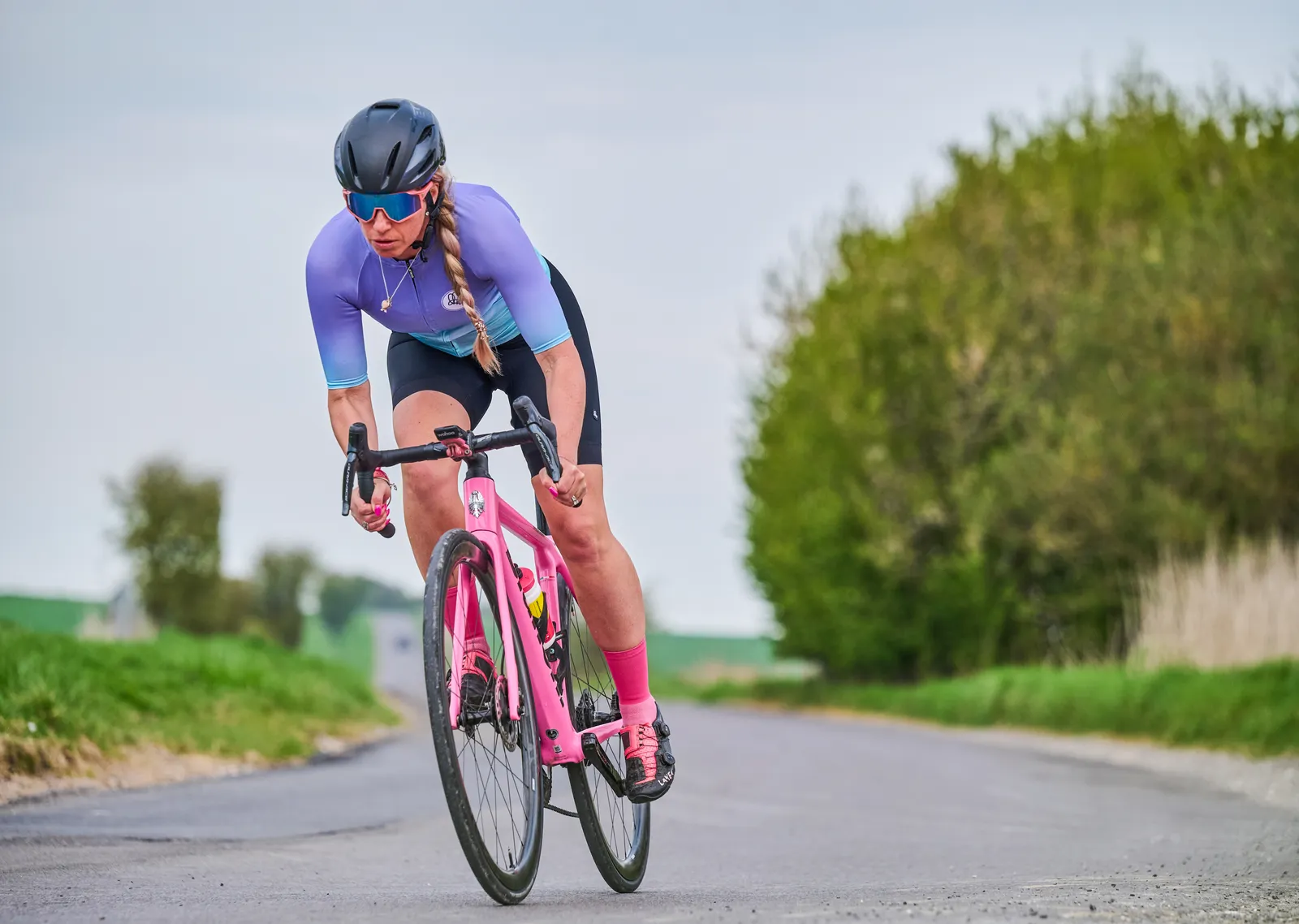
Saturday miles hit different when your legs still remember a rushed workweek. You want freedom, distance, fresh air, and that quiet satisfaction of rolling back home tired for the right reasons. Smart cycling endurance plans make that possible without turning every ride into punishment. The goal is not to suffer more; it is to ride farther with better control, steadier energy, and fewer Sunday aches that make stairs feel personal.
For many American riders, weekend cycling has become the easiest escape from screens, traffic, and indoor routines. A rider in Austin may chase rolling farm roads before brunch. Someone outside Denver may climb into cooler air before noon storms build. A parent in suburban Ohio may have one open window before soccer pickup. That is why good planning matters. A practical endurance plan fits real life, not some pro-level fantasy. Even a trusted digital resource like active lifestyle planning can remind riders that better habits start with simple systems. Your weekend ride should feel earned, not survived.
Build Your Base Before You Chase Bigger Mileage
Long rides rarely fail because a rider lacks toughness. They fail because the body never learned how to stay calm under steady work. Base building teaches your heart, legs, lungs, and attention span to cooperate before speed or distance gets ambitious.
Why Easy Miles Are Not Wasted Miles
Many cyclists treat easy rides like filler. That is a mistake. Easy miles are where your body learns to burn fuel better, hold posture longer, and recover while still moving. The ride may feel almost too comfortable, but that is the point.
A strong base ride should leave you feeling like you could have kept going. You should breathe through full sentences, keep your shoulders soft, and finish without that hollow, shaky feeling. Riders who skip this stage often feel fast for three weekends, then wonder why every hill suddenly feels like a debt collector.
A useful example is the office worker who only rides hard on Saturdays. They sprint out of the neighborhood, attack the first climb, and fade before mile 25. A better approach is two calm weekday rides and one longer weekend ride. That rider may feel slower at first, but after a month, the Saturday distance starts to feel normal instead of heroic.
How to Add Distance Without Breaking the Ride
Mileage should rise like a dimmer switch, not a light switch. Add too much too soon, and your knees, lower back, or mood will object before your lungs do. A simple rule is to increase your longest ride by a small amount, then hold that level long enough for it to feel ordinary.
Cycling stamina grows when your body trusts the workload. Add five to ten miles only after your current ride ends with decent form. If your final miles look like a wrestling match with the handlebars, you are not ready to build. You are ready to repeat.
Counterintuitive as it sounds, the best longer weekend rides often come from restrained weekday training. A Tuesday spin, a Thursday steady ride, and a Saturday distance ride can beat four random hard sessions. The plan works because each ride has a job. No ride has to pretend to do everything.
Shape the Week Around Real Energy, Not Perfect Calendars
A beautiful plan means nothing if it ignores your job, sleep, family, weather, and stress. The best riders are not the ones with flawless schedules. They are the ones who know where training can actually live inside the week.
The Two-Ride Weekday Foundation
Two weekday rides can support a strong weekend ride if they are placed with care. One should feel light and smooth. The other can carry a bit more effort, but it should never drain the tank before the weekend arrives.
A smart bike training schedule might use Tuesday for easy spinning and Thursday for a steady ride with short controlled efforts. That gives your body enough stimulus to improve while leaving Friday open for rest, stretching, or a short walk. The weekend ride then starts from readiness, not leftover fatigue.
This matters for riders in spread-out American suburbs where every workout competes with commuting, errands, and family time. A 45-minute ride after work may not look impressive on an app. Still, it can protect Saturday from becoming a shock to the system. Small rides are quiet insurance.
When Rest Is the Training Move
Rest feels suspicious to motivated cyclists. You may think a missed ride means lost progress. Often, the opposite is true. Fitness grows after the stress, not during it, and tired legs need space to turn work into strength.
Your clearest warning signs are dull legs, poor sleep, cranky mood, and a heart rate that climbs too fast on familiar roads. Those signs do not mean you lack discipline. They mean your body is asking for a lower gear before it forces one on you.
Creative Cycling Endurance Plans work best when rest is built into the design, not treated as failure. A rider in Seattle might swap a rainy Wednesday ride for mobility work and still perform better on Saturday. Another in Florida may move a hard ride away from peak heat. Flexibility is not weakness. It is how consistency survives real life.
Fuel the Ride Before Hunger Makes Decisions
Endurance riding is partly fitness and partly timing. Your legs may be strong, but if you wait until hunger arrives, you are already negotiating from behind. Food and fluids should support the ride before the body starts sending complaints.
Eat Earlier Than Your Ego Wants To
Many riders delay eating because they feel fine in the first hour. That early confidence can be misleading. By the time your mood dips, your legs flatten, or every small incline feels rude, the easiest fueling window has passed.
For longer weekend rides, start with a normal meal before leaving and bring simple carbs you know you tolerate. A banana, fig bars, a peanut butter sandwich, or a sports drink can work. The exact food matters less than the habit of eating before panic starts.
Cycling stamina depends on steady supply. A rider doing 40 miles on rural roads in Pennsylvania should not assume a gas station will appear at the perfect moment. Pack food, even if you expect to stop. The snack in your jersey pocket may save the final ten miles from turning ugly.
Hydration Changes With Weather, Pace, and Route
Water planning should match the day, not a generic rule. A cool morning ride in Maine asks for less fluid than a humid July ride in Georgia. Climbing, headwinds, and rough pavement also raise the cost of the ride.
Electrolytes become useful when sweat is heavy or the ride stretches long enough that plain water no longer feels satisfying. You do not need to turn every bottle into a science project. You do need to avoid the common mistake of drinking nothing for an hour, then gulping too much at once.
One practical habit is to sip on a schedule during the first half of the ride. That keeps the body ahead of thirst and protects your focus later. Tired riders make sloppy line choices, miss potholes, and brake late in groups. Fueling is not only about performance. It is also about safety.
Train the Mind for Distance, Not Drama
Longer rides test more than muscle. They test patience, pacing, attention, and the ability to stay calm when the road feels longer than expected. A rider with a steady mind often beats a stronger rider who keeps arguing with the ride.
Break the Route Into Manageable Pieces
A 60-mile ride can feel heavy before it starts. Six 10-mile chunks feel less dramatic. The road has not changed, but your brain has a better handle on the work.
Use landmarks, turns, towns, bridges, or rest stops as mental checkpoints. Tell yourself to ride well until the next point, then reassess. That method keeps the mind from jumping straight to the hardest miles before the wheels have even warmed up.
This works well on American rail trails, coastal roads, and rolling county routes where distance can feel endless. A rider on the Katy Trail in Missouri, for example, may think in trailheads instead of total mileage. The smaller frame keeps effort steady and prevents early overreaching.
Pace Like the Last Hour Matters
The first hour of a weekend ride can trick you. Fresh legs, cool air, and group energy make speed feel cheap. It is not cheap. You will pay for it later if the ride runs long.
Strong endurance cycling tips often sound boring because they protect you from your own excitement. Start easier than you want. Keep the pedals smooth on climbs. Let other riders surge if they need to. Your job is not to win mile seven. Your job is to still ride cleanly at mile 47.
A helpful test is your posture. If your hands are gripping hard, your jaw is tight, and your breathing feels sharp early in the ride, you are spending too much. Back off before the body turns that choice into a bill. The best long-distance cyclists often look unimpressive at the start and strangely fresh near the end.
Make the Route Support the Goal
A route can build confidence or quietly ruin the day. Distance alone does not tell the full story. Elevation, traffic, wind, road surface, shade, and bailout options all shape how hard a ride feels.
Choose Terrain That Matches the Plan
Flat mileage teaches rhythm. Rolling roads teach gear choice. Climbs teach patience. Rough paths teach handling and core control. Each type of route has value, but mixing them without thought can turn training into chaos.
If your goal is a first 50-mile ride, choose a route with predictable roads, safe shoulders, and a known stop around halfway. Save the brutal hill loop for another day. Confidence grows faster when the route challenges you without ambushing you.
A cyclist in Phoenix may plan early starts and shaded refill points. A rider in Vermont may respect elevation more than mileage. Someone near Chicago may watch wind direction because a tailwind start can become a punishing return. Smart route planning turns local conditions into training knowledge.
Leave Room for a Safe Exit
A good route includes options. That may mean a shorter loop, a nearby train station, a friend who can pick you up, or a turnoff that cuts ten miles if the day goes sideways. Planning an exit does not make you soft. It makes you more likely to ride again next week.
This is especially useful when testing new distance. Pride can push riders into bad choices when cramps, storms, mechanical issues, or heat arrive. A backup route protects the body and the calendar.
Longer weekend rides should end with confidence, even when they are hard. The finish does not need to feel easy. It should feel controlled. When you roll home knowing you managed effort, food, route, and mindset well, you are not only fitter. You are becoming a smarter cyclist.
Use Recovery as Part of the Plan, Not an Afterthought
The ride may end in the driveway, but the adaptation continues for hours. Recovery decides whether your next training week starts with progress or leftover damage. Serious riders respect that window because they know endurance is built between efforts.
The First Hour After the Ride Matters
After a long ride, your body wants fluid, food, and a chance to downshift. Eat a balanced meal with carbs and protein. Drink enough to replace what you lost. Change out of sweaty clothes before you stiffen into the couch.
This does not require a perfect recovery shake or expensive routine. A turkey sandwich, rice bowl, eggs and toast, yogurt with fruit, or leftovers can do the job. The best option is the one you will actually eat before your appetite turns weird.
Gentle movement helps too. Walk around the block, stretch your hips, and let your back open up. Many riders make the mistake of collapsing after the ride, then blaming the bike for stiffness. Sometimes the problem is not the bike. It is the sudden stop.
Track What Your Body Teaches You
A training log does not need to be fancy. Record distance, time, route, weather, food, mood, and how the final miles felt. Those details reveal patterns that memory usually edits.
You may notice that poor sleep hurts more than a headwind. You may discover that one snack works better than another. You may learn that a certain route always beats up your lower back because the pavement is rough, not because your fitness is weak.
This is where endurance cycling tips become personal instead of generic. Advice gives you a starting point, but your notes tell you what your body accepts. The rider who listens carefully improves faster because they stop repeating the same hidden mistake.
Turn Weekend Riding Into a Repeatable Habit
One great ride feels good. A repeatable system changes your fitness. Weekend endurance grows when the plan becomes familiar enough to follow and flexible enough to survive interruptions.
Build a Four-Week Riding Rhythm
A simple four-week cycle works for many riders. Build for three weeks, then ease back for one week. The lighter week gives your body time to absorb the work before the next push.
For example, a rider might plan 25 miles, then 30, then 35, followed by a relaxed 22-mile ride. The next cycle can begin near 32 and move upward from there. This rhythm keeps progress visible without forcing the body to fight every weekend.
A bike training schedule should also respect life seasons. Tax season, school events, travel, and bad weather all happen. The plan should bend without breaking. Missing one ride is not the issue. Losing the rhythm for a month because the plan felt too rigid is the bigger risk.
Ride With People Who Match the Purpose
Group rides can help or hurt endurance. The right group teaches pacing, road awareness, and consistency. The wrong group turns every ride into a secret race and leaves newer riders cooked by halfway.
Choose riding partners who respect the goal of the day. If the plan is steady distance, say that before wheels roll. Good riders understand. The ones who do not may be fun on another day, but they are not ideal for endurance work.
There is a quiet confidence that comes from finishing strong with people who ride smart. You talk less near the end, point out road debris, hold a clean line, and share the last miles without drama. That kind of ride builds more than fitness. It builds trust in the process.
Keep Improving Without Turning Cycling Into a Chore
Endurance riding should make life feel larger, not more crowded. The plan matters because it protects the joy of the ride. When every mile becomes a test, the bike starts feeling like another job.
Add Variety Without Losing the Thread
Variety keeps training fresh, but too much variety can blur progress. Keep the main goal clear while changing the scenery, route direction, or ride style. One week may be a flat rail trail. Another may be a quiet loop through farmland. The structure stays steady while the experience stays alive.
This approach works for riders who get bored by repetition. You do not need to ride the same road every Saturday to improve. You need the ride to serve the same training purpose.
Longer weekend rides become easier to repeat when they carry some pleasure. A coffee stop, scenic overlook, favorite bakery, or peaceful stretch of road can turn a hard ride into something you look forward to. Joy is not decoration. It is fuel for consistency.
Know When to Raise the Goal
Progress should feel challenging, not frantic. Raise the target when your current long ride feels controlled, your recovery is predictable, and your weekday rides no longer feel like a burden.
That may mean adding distance, joining a charity ride, planning a century attempt, or exploring a new region. It may also mean holding your current level and becoming smoother, safer, and more comfortable there. Improvement does not always mean bigger numbers.
The point of Cycling Endurance Plans is to help you ride farther with more confidence and less guesswork. Start with a realistic weekly rhythm, fuel before you fade, respect recovery, and let each weekend teach you something useful. Choose one distance goal for the next month, write down the rides that support it, and make your next Saturday the ride that proves the system works.
Frequently Asked Questions
How do beginners plan longer weekend rides without getting exhausted?
Start with a distance you can already finish with decent form, then add small mileage increases every week or two. Keep weekday rides easy and consistent. Eat before hunger arrives, drink early, and choose routes with safe bailout options until your confidence grows.
What is the best weekly cycling schedule for endurance?
A strong beginner-friendly week includes two shorter weekday rides and one longer weekend ride. Use one weekday ride for easy spinning and another for steady effort. Keep one or two rest days before the long ride so your legs feel ready.
How fast should I ride during endurance cycling training?
Ride at a pace where you can speak in full sentences for most of the session. Speed matters less than control. If your breathing gets sharp early, slow down. Endurance grows best when you finish steady instead of fading hard.
What should I eat before a long weekend bike ride?
Eat a familiar meal with carbs and some protein one to three hours before riding. Oatmeal, toast with eggs, rice, yogurt with fruit, or a simple sandwich can work. Avoid testing new foods before a long route.
How often should cyclists increase long ride distance?
Most riders do well by increasing distance only when the current ride feels controlled. Add a small amount, then repeat that level before building again. If soreness, fatigue, or poor sleep lingers, hold the distance longer before increasing.
Are group rides good for building cycling endurance?
Group rides help when the pace matches your goal. A steady group teaches drafting, road awareness, and pacing. A group that surges constantly can drain you too early. Choose riders who respect the planned effort for the day.
How do I recover after a long cycling ride?
Eat a balanced meal, drink fluids, change clothes, and move gently within the first hour. Light walking and simple stretching can reduce stiffness. Record how the ride felt so your next plan reflects what your body actually needed.
What gear matters most for longer weekend cycling routes?
A comfortable bike fit, reliable tires, two bottles, basic repair tools, snacks, lights, and a charged phone matter most. Fancy upgrades can wait. Safety, comfort, and the ability to handle small problems will improve the ride far more.