
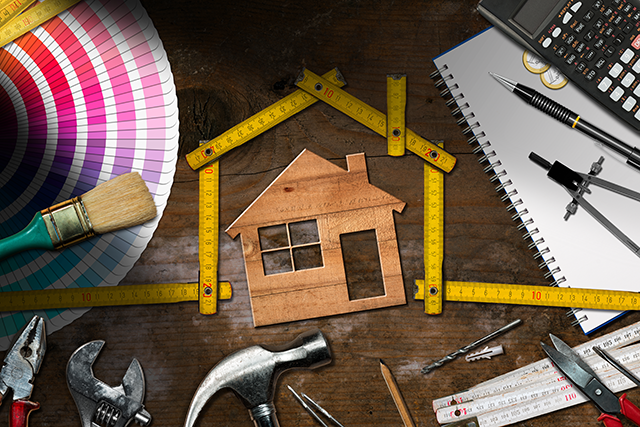
A home loses value in small, quiet ways before anyone notices a serious problem. For most American homeowners, Property Maintenance Habits are not about fancy upgrades or weekend perfection; they are about protecting the money already sitting in the walls, roof, plumbing, and yard. A loose gutter, a slow drain, a cracked seal, or a tired HVAC filter can look harmless for months, then turn into a repair bill that ruins a season.
The smartest owners do not wait for a problem to become loud. They build a steady rhythm around simple checks, seasonal care, and fast fixes. That rhythm matters more than buying the most expensive materials or chasing every home trend on social media. A house rewards attention. Ignore it, and it starts charging interest.
Good ownership also means knowing where help fits. A homeowner who keeps records, compares repair costs, and follows trusted property resources such as real estate maintenance insights usually makes calmer choices when something breaks. That calm saves money. It also protects long-term value when it is time to refinance, rent, sell, or pass the home on.
Build a Seasonal Routine Before Repairs Become Emergencies
Every house has a calendar, even if the owner does not write one down. Heat, rain, snow, humidity, pollen, wind, and freezing nights all place stress on different parts of the property. The trick is not to predict every problem. The trick is to meet each season before it starts making demands.
A seasonal routine works because it puts maintenance ahead of panic. In many U.S. homes, spring exposes roof damage from winter, summer strains cooling systems, fall clogs gutters, and winter punishes weak insulation. Waiting until each system fails is the expensive path. A simple rotation keeps you close enough to the home to catch trouble while it is still small.
Why Spring and Fall Checks Protect More Than Curb Appeal
Spring is the season when your home tells on winter. Walk the property slowly after the weather changes. Look for lifted shingles, soft soil near the foundation, peeling exterior paint, loose handrails, and water stains under roof edges. These signs may not look dramatic, but they often point to moisture moving where it should not.
Fall has a different job. It prepares the property for stress. Clean gutters before leaf buildup freezes. Check exterior caulk before cold air finds gaps. Test outdoor lights before early sunsets make walkways risky. A home in Ohio, Pennsylvania, or New York faces a different winter than one in Arizona, but every region has a season that punishes neglect.
The mistake many owners make is treating these checks like chores for appearance. They are not. A clean gutter protects fascia boards, siding, basements, landscaping, and foundation drainage. One small ladder job can defend five expensive parts of the property at once.
How a Simple Monthly Walkthrough Catches Hidden Trouble
A monthly walkthrough takes less time than most people spend scrolling listings they cannot buy. Start inside. Look under sinks, around toilets, near the water heater, around windows, and beneath HVAC vents. You are searching for changes: stains, smells, warped trim, weak airflow, pests, or damp spots.
Outside, walk the same path every month. Check fences, grading, outdoor faucets, siding, concrete cracks, and rooflines from the ground. The point is not to inspect like a contractor. The point is to know your house well enough that something new feels wrong.
One family in suburban Georgia noticed a small dip near a downspout during a routine walk. It looked like a landscaping issue. Their plumber later found water collecting near the foundation because the extension had shifted. Fixing the drainage cost a little. Ignoring it could have meant basement moisture, mold, and foundation repair. Boring habit. Big save.
Keep Water Away From Every Place It Does Not Belong
Water is the most patient enemy a property has. It does not need speed. It needs access. Once it gets behind walls, under flooring, into basements, or around foundations, the repair story changes fast.
This is where many owners underestimate risk. Fire feels scary. Structural damage feels dramatic. Water feels ordinary because everyone sees rain, sprinklers, showers, and sinks every day. That comfort is dangerous. Most long-term property damage starts with water that looked harmless at first.
How Drainage Habits Defend the Foundation
Your foundation depends on the soil around it staying controlled. When water pools near the house, soil expands, shifts, freezes, or erodes. Over time, that pressure can create cracks, uneven floors, sticking doors, or basement seepage. The fix may begin outside, not in the basement.
Downspouts should push water several feet away from the foundation. Soil should slope away from the home, not toward it. Flower beds should not trap water against siding or brick. A pretty landscape that holds water near the house is not a feature. It is a slow bill.
In flat neighborhoods across Texas, Florida, and parts of the Midwest, drainage deserves extra attention because water does not always move quickly after storms. Owners often blame “bad luck” when moisture appears inside. Often, the yard has been giving warnings for years.
Why Small Leaks Deserve Fast Decisions
A slow leak under a sink is not a minor inconvenience. It is a timer. Cabinet floors swell, drywall softens, pests move in, and mold finds a foothold. The repair that could have been a washer or pipe fitting turns into cabinetry, flooring, paint, and air quality work.
Bathrooms need special attention because they hide water well. Check the base of toilets, the caulk around tubs, grout lines, shower doors, and ceilings below upstairs baths. A tiny stain downstairs may be the first honest message from a hidden leak above.
Homeowners often delay small plumbing fixes because the water still turns on and the room still works. That thinking is backwards. The best time to repair a leak is while life feels normal. Once the ceiling opens, normal gets expensive.
Use Property Maintenance Habits to Extend the Life of Major Systems
The biggest home expenses rarely arrive from nowhere. HVAC units, roofs, appliances, water heaters, electrical panels, and plumbing systems usually give warning through noise, age, weak performance, or ignored service needs. Long value comes from giving those systems a fair chance to last.
Good Property Maintenance Habits do not turn old systems new. They slow wear, reduce stress, and help you plan replacements before desperation sets the price. A homeowner with time can compare contractors, choose better materials, and avoid emergency premiums. A homeowner under pressure often pays whatever the first available person asks.
How HVAC Care Protects Comfort and Resale Confidence
Heating and cooling systems work hardest when owners think about them least. Change filters on schedule, keep vents clear, clean around outdoor units, and book professional service before peak season. A neglected system does not always fail at once. It runs longer, costs more, and wears itself down.
A clogged filter can reduce airflow, strain the blower motor, and leave rooms uneven. That creates a strange cycle: the owner lowers the thermostat, the unit works harder, and the problem grows. A $15 filter can protect equipment worth thousands.
Buyers notice HVAC condition during inspections. So do appraisers and agents. A well-serviced system with records tells a buyer the home has been cared for. That confidence may not show up as a line item, but it can keep negotiations from turning against you.
Why Maintenance Records Matter More Than Memory
Receipts, photos, warranties, service dates, paint colors, appliance manuals, and contractor notes should live in one place. Digital folders work. A binder works. What does not work is trusting memory after five busy years and three repairs that all blur together.
Records help you spot patterns. If the same drain clogs twice a year, the issue may be deeper than hair or soap. If the same room needs paint touch-ups after every storm, moisture may be entering nearby. Good notes turn random annoyances into clear signals.
They also help at sale time. A buyer may worry about an older roof less if you can show annual inspections, gutter care, and documented repairs. Proof lowers doubt. Doubt lowers offers.
Protect the Exterior Because Buyers Judge It First
The outside of a home carries more weight than many owners want to admit. A buyer, renter, neighbor, insurer, or appraiser forms an opinion before stepping through the door. That first impression may feel cosmetic, but exterior neglect often points to deeper care issues.
Paint, siding, rooflines, windows, doors, decks, fences, and landscaping all speak. They say whether the home is watched or forgotten. A clean exterior does not need to look expensive. It needs to look controlled, dry, safe, and cared for.
How Paint, Siding, and Seals Prevent Bigger Repairs
Exterior paint is not only color. It is a protective skin. When paint cracks, flakes, or fades badly, wood and trim start taking weather directly. Once moisture gets in, repairs move from surface work to replacement work.
Siding needs the same respect. Look for gaps, warping, loose panels, soft spots, or areas where plants touch the house. Bushes and vines may look charming, but constant contact can trap moisture and invite pests. Beauty should never press against the building envelope.
Window and door seals also deserve attention. Failed caulk allows drafts, water, and insects to enter. Resealing a window takes little time. Repairing hidden rot below that window can become a painful weekend with a contractor’s invoice attached.
Why Safe Walkways and Lighting Add Practical Value
Curb appeal is not only flowers and fresh mulch. It is also whether a guest can reach the front door without tripping. Cracked walkways, loose steps, uneven pavers, and dark entries create risk. They also make the home feel older than it is.
Outdoor lighting matters in every market. In suburban neighborhoods, it adds comfort and security. In rental properties, it can reduce complaints and liability concerns. In homes with older family members, it makes daily movement safer after sunset.
The counterintuitive truth is that safety work often improves beauty by accident. A repaired step, trimmed walkway, clean porch light, and clear path can make a property feel more expensive without adding decorative clutter. Order has its own curb appeal.
Make Small Interior Fixes Before They Become Buyer Objections
Interior wear feels personal when you live with it every day. A loose handle becomes normal. A scuffed wall fades into the background. A sticking door becomes “that door.” Buyers do not have that history, so they see every flaw as fresh evidence.
This is why small interior fixes protect long value. They reduce the list of objections someone can use against the property later. They also make daily life calmer now, which matters more than owners admit.
How Kitchens and Bathrooms Reveal Maintenance Discipline
Kitchens and bathrooms carry heavy judgment because they mix water, surfaces, storage, and daily use. A loose faucet, stained grout, chipped cabinet, or tired exhaust fan can make the whole home feel less cared for. These rooms do not need luxury finishes to hold value. They need cleanliness, function, and tight details.
Regrouting a shower, replacing a worn toilet seat, fixing a drawer slide, or sealing a countertop can change how the room feels. These are not glamorous upgrades. They are signals. They tell anyone walking through the space that the owner pays attention.
A modest ranch home in Kansas City with clean grout, working fans, solid cabinet hardware, and dry sink bases may feel more trustworthy than a bigger house with flashy counters and loose plumbing. Buyers read condition faster than style.
Why Minor Repairs Shape the Way People Price Your Home
A buyer rarely subtracts the true cost of a small repair. They subtract emotion. A $200 list of fixes can become a $5,000 negotiation because the buyer starts wondering what else has been ignored. Small defects create big suspicion.
Patch nail holes, touch up paint, tighten hardware, replace cracked switch plates, fix squeaky hinges, and keep doors closing cleanly. These tasks do not make headlines, but they remove friction. A home that works smoothly feels younger.
Owners sometimes think they should save every fix for a major pre-sale push. That plan usually creates stress and rushed work. Small repairs done steadily are cheaper, cleaner, and easier to manage. They also let you enjoy the home instead of preparing it only for someone else.
Conclusion
A home does not keep its value because an owner gets lucky. It keeps value because small decisions happen before damage gets a voice. That is the quiet power of maintenance. You are not chasing perfection. You are building a pattern that keeps water out, systems working, surfaces protected, and surprises contained.
The best owners treat care as a rhythm, not a rescue mission. They look, listen, write things down, and act while problems are still small enough to respect them. That mindset turns Property Maintenance Habits into one of the most practical wealth-protection tools a homeowner can control.
Start with one monthly walkthrough, one seasonal checklist, and one folder for records. Do not wait for a contractor, buyer, or inspector to tell you what your home has been trying to say. Protect the property while the work is still simple, because small care done early is the cheapest value strategy you will ever own.
Frequently Asked Questions
What are the best home maintenance habits for long-term property value?
Focus on water control, HVAC care, exterior checks, minor repairs, and clear records. These habits protect the systems buyers and inspectors care about most. Small tasks done on schedule usually cost less than emergency repairs after damage spreads.
How often should homeowners inspect their property for maintenance issues?
A monthly walkthrough works well for most homes, with deeper checks in spring and fall. Monthly checks catch leaks, cracks, pests, drainage issues, and worn parts early. Seasonal checks prepare the property for weather changes that can stress major systems.
Which property maintenance tasks should never be ignored?
Never ignore roof damage, clogged gutters, plumbing leaks, foundation drainage, electrical issues, HVAC problems, or bathroom moisture. These areas can create expensive damage fast. Cosmetic work can wait, but water, safety, and system failures need quick attention.
How does regular maintenance help increase home resale value?
Regular care reduces buyer objections and inspection surprises. A clean record of repairs, service dates, and updates shows the home has been managed well. Buyers often feel safer making stronger offers when the property looks stable and well cared for.
What is the easiest way to start a home maintenance routine?
Start with a simple checklist for each month. Walk the inside and outside of the home, note anything new, and fix small issues within a week when possible. Keep receipts and photos in one folder so the habit stays organized.
Why is water damage such a major property value risk?
Water can damage framing, drywall, flooring, insulation, cabinets, and foundations before the signs become obvious. It can also lead to mold and pest problems. Preventing water intrusion is often cheaper than repairing the hidden damage it leaves behind.
Do small repairs matter when selling a house?
Small repairs matter because they shape buyer trust. Loose handles, stained grout, cracked caulk, and scuffed walls can make buyers wonder what larger issues exist. Clean details help the home feel cared for and reduce negotiation pressure.
What maintenance records should homeowners keep?
Keep receipts, contractor invoices, warranties, inspection notes, appliance manuals, paint colors, photos, and service dates. These records help you plan future work and prove care to buyers, agents, insurers, or appraisers when needed.