
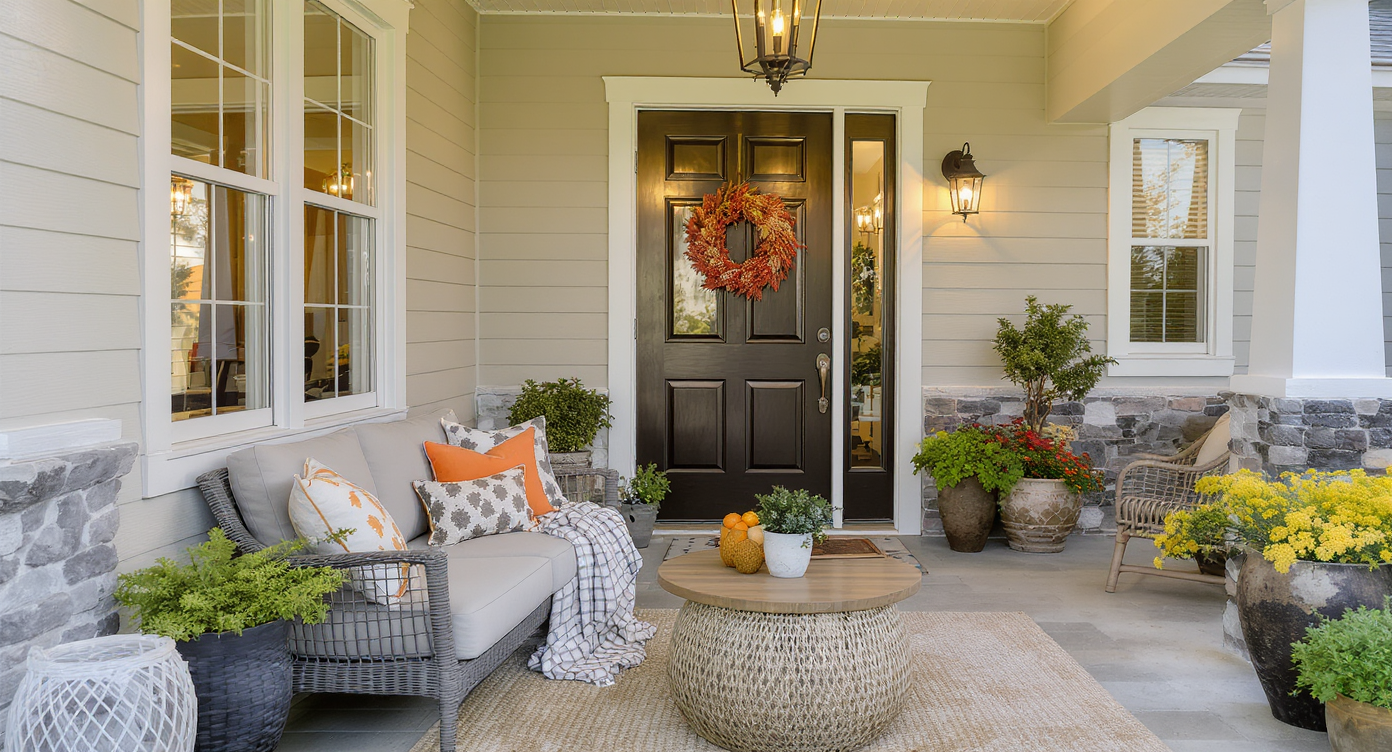
A front porch tells the truth before anyone rings the bell. It shows whether a home feels cared for, rushed, charming, forgotten, polished, or lived in with pride. The best front porch ideas do more than decorate a small outdoor area; they shape the first emotional read of your house. For homeowners across the USA, that matters because curb appeal is not only about resale value. It affects how neighbors see the home, how guests feel when they arrive, and how you feel when you pull into the driveway after a long day.
A porch does not need a huge budget to feel warm. A clean layout, a smart color choice, sturdy seating, and a few personal touches can change the whole entry. If you enjoy improving your home’s presence through practical design, helpful home improvement resources can also give you fresh ways to think about small upgrades that carry big visual weight.
The porch works best when it feels intentional. Not perfect. Intentional. That is where real curb appeal begins.
Build a Porch Layout That Makes Arrival Feel Natural
A good porch layout guides people without making them think. That sounds small, but it changes everything. When someone walks up to your door, the path, furniture, plants, lighting, and entry mat should quietly tell them where to go and where to pause.
Many American porches fail because they try to act bigger than they are. A narrow Craftsman porch in Ohio gets stuffed with two rockers, a side table, planters, a lantern, and a seasonal sign until nobody can move. A wide Southern porch in Georgia can feel empty because all the furniture hugs the wall. Space alone does not solve design. Proportion does.
Keep the Walking Path Clear Before Adding Decor
The walking path should be the first design decision, not the leftover space after decorating. A guest should be able to move from the steps to the door without sidestepping a pot, chair leg, package box, or tangled cord. That clear line creates comfort before the eye notices anything pretty.
For smaller porches, this may mean using one slim bench instead of two chairs. It may mean placing planters on one side only. The hard truth is that a crowded porch never feels welcoming, even when every individual item looks beautiful. Clutter at the entrance reads as stress.
A strong layout usually leaves at least one side visually open. That little bit of breathing room makes the entire entry feel cleaner. Think of it like a good handshake: firm, direct, and not trying too hard.
Use Furniture That Matches the Porch Scale
Porch furniture should fit the house, not the fantasy version of the house. Oversized wicker chairs may look great in a catalog, but they can swallow a modest porch on a Cape Cod home. Slim metal chairs, a compact wood bench, or a single rocking chair often works better because the porch still feels usable.
On a deep farmhouse porch, tiny furniture creates the opposite problem. The space looks underdressed, almost like someone forgot to finish it. A pair of substantial chairs, a long bench, or a porch swing gives the architecture the visual weight it needs.
One useful test is simple: stand across the street and look at the porch. If the furniture disappears, it is too small. If it blocks the door or railings, it is too big. Your porch should feel ready for people, not staged for a clearance aisle.
Add Color and Texture Without Making the Entry Look Busy
Color gives a porch its mood, but texture gives it staying power. Paint, wood grain, woven baskets, stone steps, brick, metal railings, outdoor rugs, and leafy plants all work together. The trick is knowing when to stop.
The best porches usually have one clear lead color, one support color, and one natural texture that softens the whole scene. A navy door with white trim and terracotta pots feels crisp. A sage green door with warm wood seating feels calm. A black door with brass hardware and boxwood planters feels formal without acting stiff.
Choose a Door Color That Works With the Whole Exterior
The front door should not fight the siding, roof, brick, shutters, or walkway. A bright yellow door can look cheerful on a white cottage, but awkward against orange brick. Deep red can feel classic on a colonial home, but heavy on a small bungalow with dark trim.
American homes vary so much by region that color should respond to place. In coastal New England, soft blues, deep greens, and weathered wood feel natural. In Arizona or New Mexico, clay, cream, rust, and muted turquoise can sit better with the landscape. In the Midwest, classic black, forest green, and warm red often work well with brick and siding.
A smart door color also photographs well from the street. That matters more than many homeowners admit. Curb appeal lives at a distance first, then up close.
Layer Outdoor Textures Instead of Adding More Objects
Texture solves the “something is missing” problem better than extra decor. A flat porch with a painted door, plain mat, plastic pot, and bare concrete can feel cold even when it is clean. Add a woven outdoor rug, a clay planter, a wood stool, or a metal lantern, and the space gains depth.
This is where restraint helps. You do not need six decorative pieces if three materials are doing their job. A jute-style outdoor rug under a black bench, a pair of ceramic planters, and a brass door knocker can carry the entry with quiet confidence.
The unexpected part is that texture often feels more expensive than color. A porch with cheap-looking objects in loud colors can feel temporary. A porch with simple colors and rich surfaces feels settled, even when the actual cost stays modest.
Use Plants, Lighting, and Seasonal Pieces With Discipline
Plants and lighting bring life to a porch, but they can also make it look chaotic. Seasonal decor adds charm, but too much of it turns the entry into a storage shelf with pumpkins or wreaths attached. The goal is rhythm, not noise.
This is where many homeowners lose the plot. They buy one cute item at a time, then wonder why the porch feels scattered. A better method is to create a base that works year-round, then swap small seasonal accents into that base.
Pick Plants That Match Your Maintenance Reality
Plants should fit the climate and your habits. A front porch in Florida can handle tropical greenery that would sulk in Minnesota. A shaded porch in Oregon needs different plants than a sun-blasted porch in Texas. Good design starts with honesty.
For low-maintenance curb appeal, many homeowners do well with boxwood, ornamental grasses, ferns, dwarf evergreens, hostas, or hardy potted herbs depending on light and region. Matching plant choice to sunlight matters more than matching it to a Pinterest photo. Dead plants ruin charm faster than almost anything else.
Planter size matters too. Tiny pots beside a tall door look nervous. Large planters with fewer plants often feel cleaner and more confident. One substantial planter on each side of the door can outperform a crowd of small mismatched pots every time.
Make Lighting Feel Warm, Safe, and Intentional
Porch lighting has two jobs: safety and mood. A dim bulb may look cozy in a photo, but it makes steps risky. A harsh white floodlight may keep the path visible, but it can make the home feel like a loading dock. The sweet spot is warm, bright enough, and placed where people need it.
Wall sconces should relate to the door size. Too-small fixtures make the entry look unfinished. Large fixtures can look elegant when the house has the scale to support them, especially on taller facades or porches with columns.
Solar path lights can help, but they should not march along the walkway like airport runway lights. Space them with care. A porch should glow, not glare. Good lighting makes people slow down at the door because the entrance feels safe, calm, and ready.
Choose Front Porch Ideas That Fit Your Home’s Real Personality
The strongest front porch ideas do not copy trends blindly. They fit the home’s bones, the neighborhood, and the way you live. A porch that looks good online may look strange on your block if it ignores the house style.
A brick ranch in Tennessee does not need to pretend it is a coastal cottage. A narrow row house in Philadelphia does not need farmhouse signs and giant planters if the stoop is only a few feet deep. Real charm comes from design choices that feel rooted, not borrowed.
Match Decor to the Architecture Before Following Trends
Architecture gives you the rules before decor enters the room. A Victorian porch can handle turned wood, layered color, hanging baskets, and decorative details. A modern home usually looks better with clean planters, simple seating, and fewer patterns. A Craftsman porch wants wood warmth, honest materials, and sturdy shapes.
Trends become a problem when they erase the house. Black-and-white porch styling can look sharp, but not every exterior benefits from that contrast. Oversized wreaths, lettered signs, checkerboard rugs, and symmetrical planters can work, but they lose charm when every house starts wearing the same costume.
A better approach is to ask what the home already suggests. Does it feel classic, casual, rustic, modern, cottage-like, formal, or relaxed? Choose porch pieces that strengthen that identity. The result feels more expensive because it feels more true.
Add Personal Details Without Turning the Porch Into a Theme
Personal touches give a porch soul, but themes can flatten it. A beach sign on a house nowhere near the coast may feel forced. A farmhouse display on a suburban brick colonial can feel like a costume. One meaningful detail beats a dozen decorative statements.
Try a bench cushion in a color you love, a planter style that reflects your taste, a vintage lantern from a local market, or a door knocker that feels distinctive. These pieces tell a story without shouting. They make the porch feel lived in, not branded.
Seasonal decor works best when it respects the base design. In fall, swap in rust-colored mums or a simple wreath. In winter, use evergreen clippings and warm lights. In spring, add fresh flowers and lighter textiles. The porch changes, but the identity stays steady.
Conclusion
A welcoming porch does not come from copying the loudest trend. It comes from making clear choices that respect your home, your climate, and the way people move through the entry. That is why the most useful front porch ideas often start with editing, not shopping. Remove what blocks the path. Choose pieces that fit the scale. Let color support the exterior. Use plants you can keep alive. Add lighting that feels warm without washing out the whole entry.
The best curb appeal feels calm from the street and personal at the door. It gives guests a small preview of the care inside the house. It also gives you a better daily return, because the front porch is not only for visitors. You see it every time you come home.
Start with one honest improvement this week: clear the path, refresh the door, upgrade the planters, or fix the lighting. Small porch choices become big first impressions when they are made with care.
Frequently Asked Questions
What are the best small front porch decorating ideas for curb appeal?
Use fewer pieces with stronger purpose. A slim bench, one large planter, a layered doormat, and warm lighting can make a small porch feel complete without crowding the entry. Clear walking space matters more than filling every corner.
How can I make my front porch look welcoming on a budget?
Start with cleaning, paint touch-ups, a fresh doormat, and healthy plants. These low-cost upgrades change the first impression fast. A painted door or updated house numbers can also make the porch feel cared for without requiring a full redesign.
What plants work best for a shaded front porch?
Ferns, hostas, caladiums, impatiens, and some varieties of begonias often work well in shade. Choose plants based on your USDA zone and porch light conditions. A healthy shade plant always looks better than a sun-loving plant struggling in the wrong spot.
How do I choose the right front door color for my porch?
Look at your siding, brick, roof, trim, and walkway before choosing paint. The door should add character without clashing with fixed exterior materials. Test samples in morning and afternoon light because outdoor color shifts more than indoor paint.
What furniture is best for a narrow front porch?
Choose slim furniture with open legs, such as a narrow bench, compact rocking chair, or small metal bistro chair. Avoid deep cushions and bulky frames. The goal is to create a place to pause while keeping the walkway open and comfortable.
How can lighting improve front porch curb appeal?
Good lighting makes the entry safer, warmer, and more polished. Use fixtures that match the scale of your door and house. Warm bulbs usually feel more inviting than harsh white light, especially near seating, steps, and the front door.
Should front porch decor match the rest of the house?
It should feel connected, not identical. Match the home’s architecture, color palette, and overall mood. A modern home can use cleaner lines, while a cottage can carry softer textures and layered plants. Consistency makes the exterior feel intentional.
How often should I update seasonal front porch decorations?
Refresh small pieces each season while keeping your main porch setup steady. Swap wreaths, flowers, cushions, or small accents instead of rebuilding the whole porch. This keeps the entry fresh without making it feel cluttered or overly themed.