
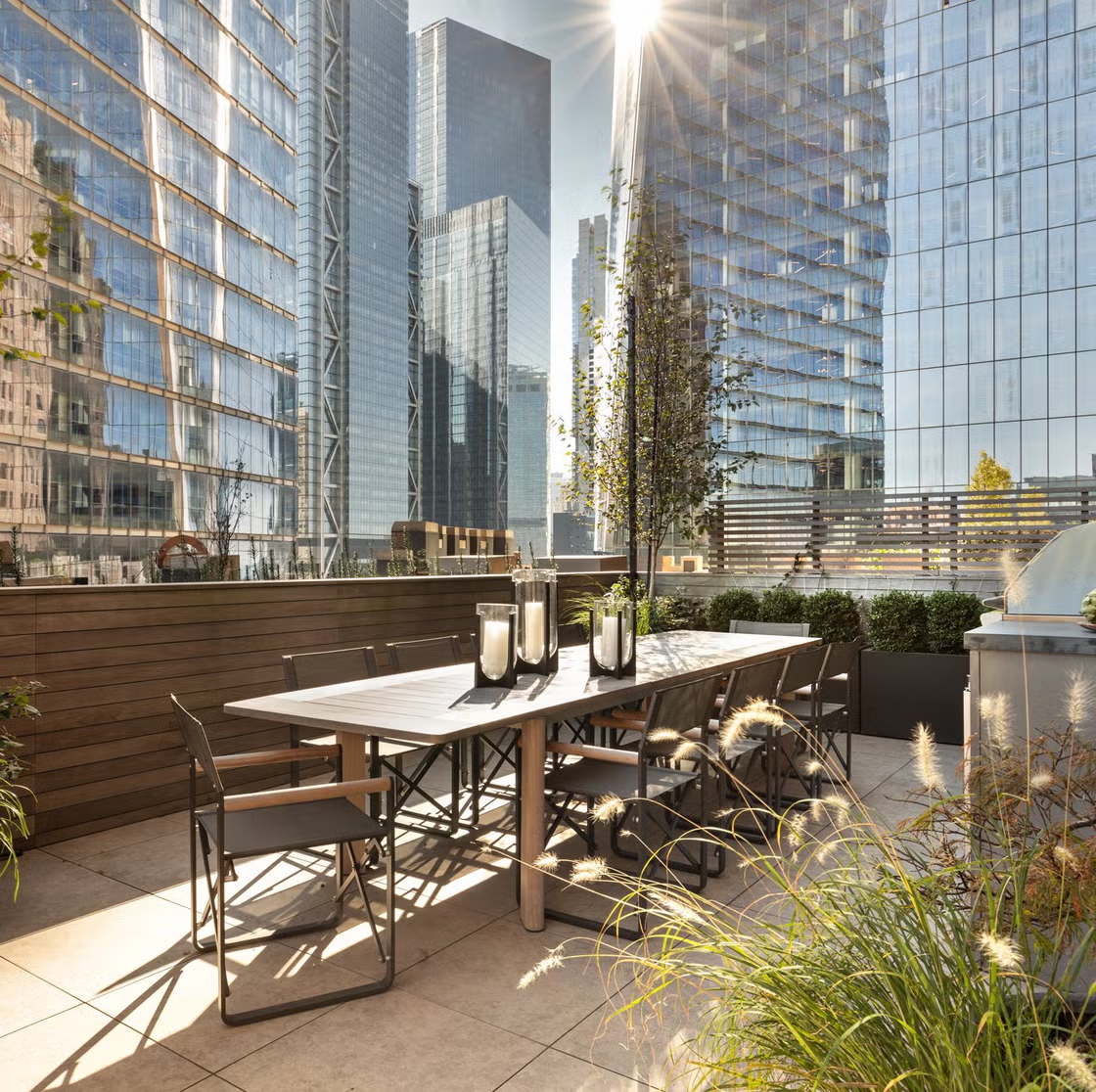
City balconies ask for more creativity than most full-size patios ever do. A few square feet can become a breakfast corner, a plant-filled retreat, a reading perch, or the one place in your apartment that feels open to the sky. That is why Apartment Balcony Ideas matter so much for renters and homeowners across the USA who want more comfort without more square footage.
A balcony in Chicago, Austin, Brooklyn, Seattle, or Miami rarely gives you perfect conditions. You may deal with tight railings, street noise, strong sun, building rules, or neighbors close enough to hear your coffee spoon. Still, a smart balcony does not need luxury furniture or a giant budget. It needs clear choices.
Good design starts with deciding what the space must do for your daily life. A balcony that tries to become a lounge, garden, dining room, and storage zone at once usually becomes clutter. A balcony with one strong purpose feels bigger. For more home improvement and lifestyle inspiration, resources like modern home living ideas can help you think beyond decoration and focus on how a space works.
Apartment Balcony Ideas That Begin With Purpose, Not Products
A balcony gets messy when shopping starts before planning. The pretty chair, the cute plant stand, the outdoor rug, and the string lights all look harmless on their own, but together they can swallow the floor before you even sit down. The better move is slower and smarter: decide the role of the balcony before anything touches it.
In many American apartments, outdoor space is rare enough that people feel pressure to make it do everything. That pressure creates bad layouts. A narrow balcony in a Boston walk-up should not copy a wide terrace in Los Angeles. The space has to answer your life first, then your Pinterest board second.
Define the One Job Your Balcony Must Do Best
A strong balcony starts with one honest question: what would make you use this space three times a week? Some people want a quiet coffee spot before work. Others need a tiny herb garden because the kitchen window gets no light. Someone in Phoenix may need an evening cooling zone, while someone in Portland may want a covered reading nook that still works on damp mornings.
This choice matters because every inch starts competing once the balcony is small. A two-chair setup needs circulation space. A plant-heavy balcony needs drainage trays, sunlight planning, and sturdy shelving. A dining balcony needs a table surface that does not block the door. When the purpose is clear, the furniture almost chooses itself.
The counterintuitive part is that choosing less gives you more. A balcony with one bench, one side table, and two planters can feel richer than a cramped outdoor room packed with five ideas. Restraint is not boring here. It is what lets the space breathe.
Work With the Door, View, and Walking Path
The balcony door controls the whole layout more than most people admit. If a chair blocks the swing, or a table makes you turn sideways every time you step out, the balcony will slowly become a place you avoid. Design fails quietly that way. You stop using the space before you realize why.
Start by standing inside your apartment and looking out. That first view should feel inviting, not crowded. A low bench along one side, a slim bistro set near the railing, or a plant shelf placed away from the doorway can make the balcony feel open before you even cross the threshold.
A real example: in a narrow New York apartment balcony, placing two folding chairs directly across from the door feels logical, but it creates a stop sign. Moving one chair along the side wall and using a tiny round table near the rail opens the entry and improves the view. Same furniture. Better life.
Small Balcony Design Choices That Make Tight Spaces Feel Larger
Once the purpose is clear, scale becomes the next battle. Small balconies punish oversized furniture, bulky pots, and decorations that demand floor space. The goal is not to make the balcony look empty. The goal is to create a space where your body moves without bumping into every decision.
Small balcony design works best when the floor stays as open as possible. Vertical surfaces, railings, corners, and foldable pieces become your hidden square footage. This is where urban balconies get interesting because limitation forces better judgment.
Use Furniture That Can Move, Fold, or Stack
Heavy patio furniture looks confident in a showroom and clumsy on a balcony. Once you drag it into a small apartment space, it often blocks cleaning, plant care, and daily use. Lighter pieces win because balconies need flexibility more than drama.
Folding bistro chairs are still popular for a reason. They work for coffee, conversation, and solo reading, then disappear against the wall when you need space. A stackable stool can become a footrest, side table, plant perch, or extra seat. A wall-mounted drop-leaf table can turn a railing corner into a dinner spot without owning the floor all day.
Think of a renter in Washington, D.C., with a balcony barely wide enough for two chairs. A full patio set would make the space feel finished for one photo and annoying forever after. Two folding chairs and a narrow rail table would serve breakfast, laptop time, and evening drinks without turning the balcony into an obstacle course.
Keep the Floor Calm and Let the Edges Work
The floor is the most valuable part of a balcony because it decides whether the space feels usable. Covering every inch with pots, lanterns, storage boxes, and furniture creates visual noise. Even when everything is attractive, the result can feel tense.
Use edges instead. Rail planters, corner shelves, hanging baskets, wall hooks, and slim vertical racks pull the eye upward. This approach keeps your feet free and gives the balcony height, which makes it feel more complete. A balcony does not need a lot of objects. It needs objects in the right places.
An unexpected trick is leaving one clear strip of flooring visible from the door to the railing. That open line acts like a visual runway. It tells the brain there is space to enter, stand, and breathe. In a city apartment, that small cue can change the whole mood.
Urban Balcony Decor That Handles Weather, Noise, and Privacy
Pretty balcony photos often ignore the parts that make real apartment living hard. Wind knocks over planters. Sun fades cushions. Traffic noise ruins dinner. Neighbors can see more than you want. Good urban balcony decor looks nice, but it also solves these everyday problems.
The best balcony style is not fragile. It should survive summer heat in Dallas, salty air near coastal cities, cold snaps in Denver, and dusty traffic in Los Angeles. Beauty counts, but durability keeps the space from becoming another weekend chore.
Choose Materials That Do Not Need Constant Rescue
Outdoor furniture must earn its place. Powder-coated metal, treated wood, resin wicker, washable cushion covers, and weather-safe rugs tend to perform better than delicate indoor pieces dragged outside for style. The balcony may be covered, but wind-driven rain still finds corners. Sun still punishes fabric. Dust still settles.
A good outdoor rug can anchor a balcony, but it must dry fast and clean easily. Cushions should have removable covers because city air is not gentle. Planters need weight or secure placement, especially on higher floors where gusts can surprise you. The goal is not fear. It is respect for the conditions.
There is also no shame in choosing fewer textiles. Some balconies look better with one washable cushion and a textured mat than with a mountain of pillows that have to be rescued every storm. Comfort should not create homework.
Build Privacy Without Blocking All the Air
Privacy is tricky on apartment balconies because blocking the view can also block the breeze. Solid screens may feel cozy for one afternoon, then turn the space into a hot box. The better answer is partial privacy: enough coverage to soften exposure while keeping air moving.
Tall grasses in narrow planters, woven railing covers, outdoor curtains, bamboo panels, and climbing vines can all work, depending on building rules. In many USA apartment communities, railing changes are restricted, so removable options matter. Zip ties, freestanding planters, and tension rods often solve more problems than permanent fixtures.
A balcony in Atlanta facing another building might need a tall planter on one side rather than full coverage across the rail. That single shield protects the seating angle without making the balcony feel closed. Privacy should feel like a filter, not a wall.
Balcony Seating Ideas for Comfort, Style, and Daily Use
Seating decides whether the balcony becomes a real part of your home or a decorative ledge with plants. People often buy chairs based on looks, then discover the seat is too low, too deep, too stiff, or too awkward for daily use. A balcony chair has to fit both the space and the way you relax.
Balcony seating ideas should start with posture, not style. Do you sit upright with coffee? Curl up with a book? Share the space with a partner? Work outside for short stretches? Each answer points to a different seat. The wrong one becomes clutter. The right one becomes a habit.
Match the Seat to the Ritual
A bistro chair works well for quick meals and morning coffee. A cushioned lounge chair suits longer evenings, but only if the balcony has enough depth. A storage bench can help if you need space for gardening tools or outdoor cushions. A hanging chair may look fun, but it needs safe support and enough swing clearance. Not every dream seat belongs on every balcony.
For a small balcony in San Diego, two armless chairs with angled backs may beat a loveseat because they allow better movement and face either the view or each other. In a colder Minneapolis apartment, a bench with a weather-safe storage compartment might make more sense because cushions can be tucked away between uses.
The quiet truth is that comfort is often about exit space. If you have to squeeze around a chair to sit down, you will use it less. A balcony should invite you out, not make you negotiate with furniture.
Add Side Surfaces Where Life Actually Happens
A balcony seat without a place to set something down feels unfinished. Coffee, books, phones, sunglasses, small plates, and plant shears all need landing spots. Side surfaces do not need to be large, but they need to be reachable.
A slim stool between two chairs can do more than a large table jammed into the center. A railing tray can serve drinks without taking floor space. A nesting table set gives flexibility when guests visit. Small surfaces make the balcony feel like a room because they support real behavior.
Here is the practical test: sit down and imagine holding a mug, your phone, and a book. If you have nowhere natural to put them, the seating area is not done. Style begins to matter after the space supports the small motions of living.
Lighting, Plants, and Finishing Touches That Create Atmosphere
After layout, weather, privacy, and seating are handled, the balcony is ready for personality. This is the stage people usually start with, but it works better near the end. Finishing touches should deepen the mood, not hide weak planning.
The right details can turn a plain apartment balcony into the best hour of your day. Light softens hard edges. Plants add movement. A few personal objects make the space feel owned, not staged. Still, every detail must respect the balcony’s size.
Layer Light Instead of Flooding the Space
Balcony lighting should glow, not glare. Strong overhead light can make a small outdoor space feel exposed, especially in dense apartment buildings. Softer lighting creates comfort and helps the balcony feel separate from the noise around it.
Battery lanterns, solar stake lights, clip-on railing lamps, and warm string lights can work well. The key is layering. One low lantern near the floor, one soft light near the seating area, and a small accent near plants can create depth without overpowering the space. Avoid lights that shine into neighboring windows. Good balcony manners matter.
A renter in Los Angeles might use solar string lights along a railing and a rechargeable table lamp near a chair. That setup gives enough light for conversation without making the balcony look like a storefront. Atmosphere is strongest when it feels slightly tucked away.
Choose Plants That Match Your Real Balcony Conditions
Plants can make a balcony feel alive faster than any decor piece, but choosing them by looks alone leads to disappointment. Sun, wind, shade, heat, and watering habits decide what survives. A balcony facing west in Texas is not the same as a shaded balcony in Philadelphia.
Herbs like rosemary, thyme, and mint can work well in sunny spots, though mint needs containment because it spreads aggressively. Snake plants, pothos, and certain ferns can handle more shade, depending on temperature and exposure. Native or region-friendly plants often perform better because they already understand the climate.
The unexpected insight: fewer healthy plants beat many struggling ones every time. Three thriving planters can make a balcony feel lush. Ten half-dead pots make it feel neglected. Choose plants you can care for on busy weeks, not the plants you imagine caring for during a perfect Sunday.
Making Your Balcony Feel Like Part of the Apartment
A balcony should not feel like a separate leftover zone. It should feel connected to the room inside it. When the indoor and outdoor spaces speak the same design language, the apartment feels larger, even if the balcony itself stays small.
This connection does not mean matching everything. It means repeating enough color, texture, or mood that the transition feels intentional. If your living room is calm and neutral, a chaotic balcony will feel disconnected. If your apartment has warm woods and soft fabrics, the balcony can echo that warmth in weather-safe ways.
Repeat One Indoor Element Outside
The simplest bridge is repetition. Carry one indoor color outside through cushions, a rug, a planter, or a small table. Repeat a material feeling, such as black metal, natural wood tones, woven texture, or soft cream fabric. This creates a visual relationship without forcing a matching set.
A Seattle apartment with gray interiors might use charcoal planters and a muted outdoor rug. A Miami apartment with brighter art might bring one bold cushion color onto the balcony. The balcony then feels like an extension of the home rather than a random outdoor add-on.
Apartment Balcony Ideas work best when they respect this indoor-outdoor link. The balcony may be small, but it still belongs to the apartment’s story. Treating it as part of the whole home makes every square foot feel more valuable.
Keep Storage Hidden, Slim, and Honest
Balconies often become storage zones because apartment living always needs more space. The danger comes when storage takes over. A balcony filled with boxes, extra supplies, and unused furniture stops being outdoor living space and becomes a guilt corner.
Use storage only when it protects the balcony’s main purpose. A bench with a lift-up seat can hide cushions. A slim deck box can hold gardening tools. Wall hooks can store a watering can or folded chair. Anything that does not serve balcony life should live somewhere else if possible.
Honest editing is the final design step. If an item has not been used in months, it does not deserve premium outdoor space. Your balcony should hold the version of your life you want to repeat, not the clutter you have not dealt with yet.
Conclusion
A city balcony is never about size alone. It is about attention. The smallest outdoor space can feel generous when every choice supports comfort, movement, privacy, and daily use. That is why the smartest designs often look simple at first glance. They are not empty. They are edited.
The best Apartment Balcony Ideas do not chase every trend at once. They begin with one clear purpose, choose furniture that respects the floor, add privacy without killing air, and finish with lighting and plants that match real conditions. That approach works whether you rent a studio in Brooklyn, own a condo in Denver, or live in a high-rise near downtown Houston.
Do not wait for a bigger home to enjoy outdoor living. Measure your balcony, pick one job for the space, remove what does not serve it, and make one upgrade this week. A better balcony starts when you stop treating it like extra space and start treating it like part of your life.
Frequently Asked Questions
What are the best stylish apartment balcony ideas for small spaces?
Choose one main purpose first, then use folding furniture, rail planters, slim tables, and vertical storage. Small spaces work best when the floor stays open. A clear walking path, one comfortable seat, and a few healthy plants often beat a crowded setup.
How can I decorate an apartment balcony on a budget?
Start with cleaning, rearranging, and removing clutter before buying anything. Add an outdoor rug, one folding chair, a small side table, and a few low-maintenance plants. Battery lanterns or solar lights can add atmosphere without electrical work or high cost.
What furniture works best for a narrow apartment balcony?
Folding bistro chairs, armless seats, narrow benches, stackable stools, and railing tables work well. Avoid deep lounge chairs unless the balcony has enough walking space. Furniture should let you enter, sit, stand, and clean without constant shifting.
How do I make my apartment balcony more private?
Use removable privacy screens, tall planters, outdoor curtains, bamboo panels, or railing covers if your building allows them. Partial coverage usually works better than full blocking because it protects your seating area while keeping airflow and natural light.
What plants are good for an urban apartment balcony?
Choose plants based on sun and wind exposure. Rosemary, thyme, lavender, and succulents suit sunny balconies. Ferns, pothos, and snake plants can work in shadier spots. Always check temperature needs, pot drainage, and watering demands before planting.
How can I make a balcony feel cozy at night?
Use warm lighting, soft cushions, an outdoor rug, and one or two textured details. Avoid harsh white lights because they make small balconies feel exposed. A rechargeable table lamp, low lantern, or gentle string lights can create a calmer mood.
Can renters change their apartment balcony design?
Renters can usually make non-permanent changes such as adding furniture, rugs, planters, battery lights, and removable privacy screens. Always check lease rules before attaching anything to railings, drilling, painting, or adding heavy items that may affect safety.
How do I keep an apartment balcony from looking cluttered?
Limit the balcony to items you use often. Keep the floor clear, use vertical storage, group plants neatly, and avoid oversized furniture. A balcony looks cleaner when every object has a role, enough breathing room, and a proper place to return after use.