
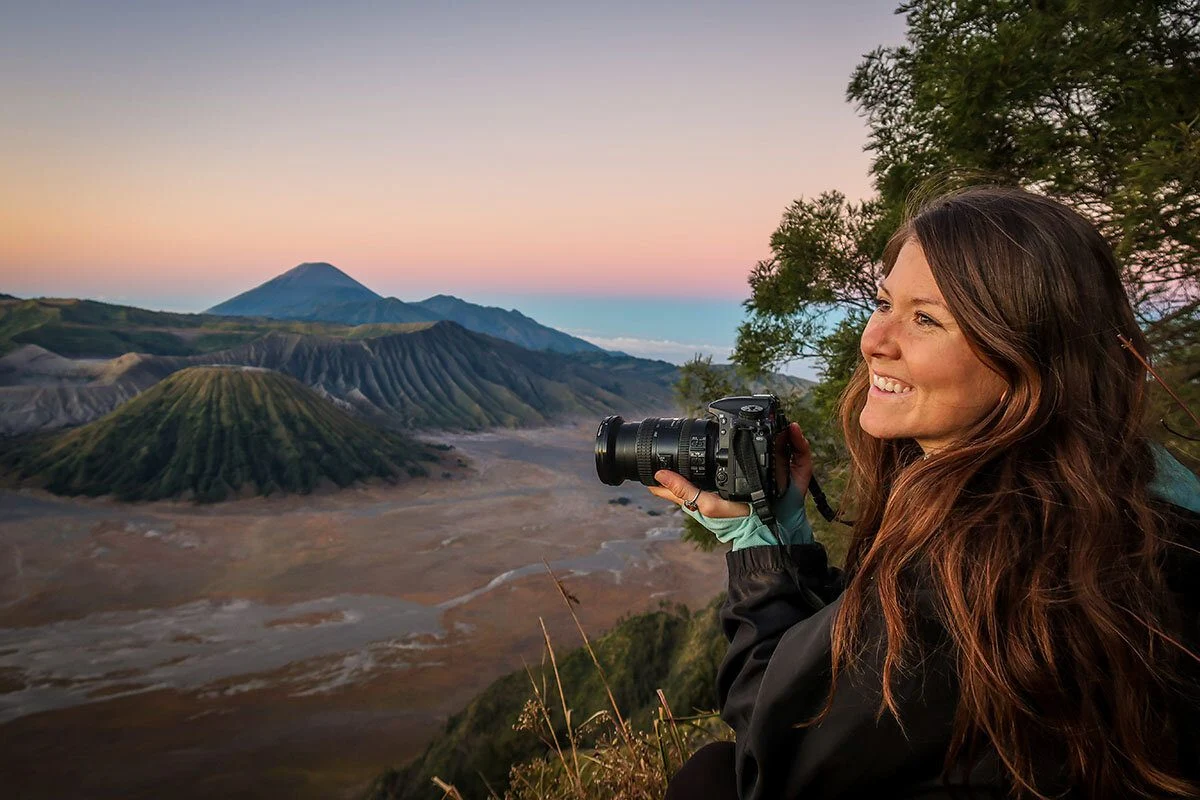
A trip can disappear faster than you expect when your photos fail to carry the feeling home. Good travel photography tips matter because most Americans are not chasing magazine covers on vacation; they want pictures that bring back the smell of a boardwalk, the heat off a desert trail, the noise outside a stadium, or the quiet look on a child’s face at the Grand Canyon. The camera is only part of that. Your timing, attention, patience, and choices shape the memory more than the device in your hand.
That is why the smartest photos often start before you press the shutter. A good image can help you tell the story later, whether you are posting a family road trip, saving shots for a scrapbook, or sharing a visual travel story through digital media coverage. The goal is not to prove you visited a place. The goal is to catch what the place did to you.
Plan the Story Before You Start Shooting
Most travel photos fail before the camera comes out. The mistake is not bad lighting or weak gear. It is walking into a place with no sense of what you want to remember. A trip has a rhythm. There is the arrival, the small surprise, the wrong turn, the meal that beats the famous attraction, and the tired walk back to the hotel. Better photos come from noticing that rhythm early.
Build a Simple Shot List Without Killing the Moment
A shot list sounds stiff, but it can save your trip from becoming a pile of random images. You do not need a full production plan. You need a loose mental list that covers place, people, movement, texture, and one detail that feels personal.
On a weekend in New Orleans, that could mean one wide street scene, one café table, one musician’s hands, one family photo away from the crowd, and one small detail like peeling paint near a balcony. That mix gives your album shape. Without it, you may come home with thirty versions of the same building and no feeling for the day.
Good vacation photo ideas start with asking what you will want to explain later. Maybe it is not the famous pier in Santa Monica, but the way your kids ran toward it before sunset. Maybe it is not the Las Vegas sign, but the tired sneakers under the breakfast table the next morning. Memory hides in the side frame.
Scout Light Like a Local, Not a Tourist
Tourists often shoot when they arrive. Better shooters learn when a place breathes. Morning light softens city streets, late afternoon gives buildings shape, and blue hour can make ordinary storefronts feel cinematic. You do not have to become technical. You only need to watch what the light is doing.
In places like Sedona, Savannah, or Chicago’s riverwalk, the same location can look flat at noon and alive two hours later. Midday sun is harsh on faces, especially during summer trips across the southern and western United States. Shade, window light, and open doorways often do more for a photo than any filter.
The counterintuitive truth is simple: the famous view is not always the best photo. Sometimes the strongest image comes from turning around and seeing what everyone else is ignoring. The people looking at the landmark may carry more emotion than the landmark itself.
Travel Photography Tips That Make People Look Natural
A travel album feels cold when every person stands stiffly in front of a sign. People want proof they were there, but they also want proof they felt something. Travel Photography Tips become more useful when they help you catch comfort, surprise, and connection instead of forced smiles.
Photograph Action Before Poses
Posed photos have their place, especially when grandparents, kids, or friends want one clear frame. Still, action usually gives you the keeper. Ask someone to walk, look at a menu, tie a hiking boot, hold the hotel key card, or laugh with someone off camera. Movement loosens faces.
At Yellowstone, a family lined up in front of a viewpoint may look like any other family. The better frame may happen ten seconds later, when everyone turns toward a bison in the distance. That is the moment they will talk about later. That is the frame that earns a place on the wall.
Candid travel photos work because they remove the pressure to perform. You are not hunting people at their worst. You are watching for the second when they forget the camera and return to themselves. That is where warmth lives.
Use Distance to Protect the Mood
Standing too close can ruin a natural moment. The person becomes aware of the lens, the smile changes, and the scene shrinks. Back up when you can. Give people space to move through the frame. You can always crop later, but you cannot rebuild a relaxed expression after you interrupt it.
This matters in busy American travel spots like Times Square, Disney parks, Pike Place Market, or downtown Nashville. Crowds already make people self-aware. A little distance lets the scene stay honest. It also gives context, which helps the viewer understand where the memory happened.
Phone photography techniques can help here because modern phones handle quick movement better than many people realize. Use burst mode when kids run, tap to focus on the face, and keep the phone steady before and after the shot. The best image in a burst is often not the first one.
Use Settings and Gear Without Letting Them Run the Trip
Gear can help, but gear can also turn a vacation into a chore. The best setup is the one you can carry all day without resentment. A heavy bag may sound serious at 8 a.m. By 5 p.m., it can make you stop taking pictures altogether. Simple wins more often than proud.
Choose Settings That Match Real Travel Conditions
Camera settings for travel should reduce mistakes, not create more decisions. If you use a phone, clean the lens before big moments. That one habit fixes more images than a new app. Tap the brightest part of a face to avoid blown-out skin, and lower exposure a little during sunsets so the sky keeps color.
With a mirrorless or DSLR camera, aperture priority works well for many trips. A wider aperture helps portraits stand out, while a narrower one keeps landscapes sharp. Fast shutter speeds help with kids, bikes, street performers, and ocean waves. Automatic modes are not shameful when the moment matters more than the menu.
In Washington, D.C., for example, you may move from bright monuments to dim museum halls in the same afternoon. Changing every setting by hand can make you miss the human part of the day. Set a safe baseline, check results often, and adjust only when the scene demands it.
Pack Less and See More
A common travel mistake is packing for imaginary photos instead of the actual trip. You imagine sweeping landscapes, night portraits, food shots, wildlife, and street scenes. Then you carry too much and shoot less because the bag becomes a burden.
For most American vacations, one phone, one small camera, or one camera with a flexible lens is enough. Add a portable charger, a microfiber cloth, and extra storage. That small kit handles airport delays, national park stops, beach mornings, city walks, and hotel-room chaos.
The unexpected lesson is that limits can improve your photos. When you stop switching lenses or chasing gear choices, you start noticing reflections, gestures, shadows, and strange little compositions. The tool gets smaller. The eye gets stronger.
Turn Ordinary Scenes Into Lasting Visual Memories
The scenes you remember most are rarely the scenes you planned. A gas station stop on Route 66, a diner booth in Maine, a rainy sidewalk in Portland, or a quiet motel balcony can carry more emotional weight than a famous skyline. Memory does not rank moments by popularity. It ranks them by feeling.
Look for Details That Carry the Whole Trip
Details act like anchors. A boarding pass corner, a sandy backpack, a half-eaten slice of pizza, a trail map, a child’s souvenir pressed against a car window. These images may seem small while you shoot them, but later they bring back the day with surprising force.
Good vacation photo ideas often come from what people touch. Hands around coffee cups, fingers pointing at a map, sunglasses on a dashboard, shoes at the edge of a lake. These details tell the truth of travel because they show how the place entered your life.
Candid travel photos do not have to include faces. A shadow on a motel wall can feel personal. A messy picnic table after lunch can say more than a clean postcard view. The strongest memory images often look ordinary until you realize no one else could have taken them the same way.
Edit for Feeling, Not Perfection
Editing should make the memory clearer, not fake. Brighten a dark face, straighten a tilted horizon, warm a cold indoor shot, and crop out distractions. Stop before the image starts looking like it belongs to someone else’s trip.
Camera settings for travel matter less if editing destroys the mood. A rainy Boston street should not look like a tropical resort. A dusty Arizona trail should not become glossy and unreal. Let places keep their weather, grit, and texture.
Phone photography techniques also make editing easier. Use the native photo app before downloading five tools you will not use. Adjust exposure, contrast, warmth, and crop first. Small edits age better than heavy filters, especially when you want the photo to feel honest years from now.
Conclusion
A camera can record a trip, but attention turns it into something worth keeping. The real skill is learning when to shoot, when to wait, when to step closer, and when to leave a moment alone. That balance is what separates a crowded camera roll from a set of images that still feel alive years later.
The best travel photography tips are not about chasing perfect scenes. They are about building a habit of noticing what matters while it is still happening. On your next trip, give yourself one small assignment each day: capture one place, one person, one detail, and one feeling. That is enough structure to guide you without draining the joy from the experience.
Start with the camera you already own, trust your eye more than your gear, and photograph the moments your future self will be grateful you noticed.
Frequently Asked Questions
What are the best travel photo ideas for beginners?
Start with five simple shots: one wide scene, one person, one food or table moment, one small detail, and one image that shows movement. This gives your trip a natural story without making photography feel like work.
How do I take better travel pictures with my phone?
Clean the lens, tap to focus, lower exposure during bright scenes, and hold the phone steady for an extra second after shooting. Use natural light when possible and avoid zooming too much because phone zoom can weaken image quality fast.
What camera settings are best for vacation photos?
Use aperture priority for portraits and landscapes, then raise shutter speed for moving subjects. For casual trips, automatic mode works fine when light changes often. The main goal is sharp, clear images without missing the moment.
How can I make travel photos look more natural?
Give people something to do instead of asking them to pose. Walking, laughing, reading a menu, looking at a view, or adjusting a jacket creates relaxed body language and more honest expressions.
What should I photograph besides landmarks?
Shoot signs, meals, hotel corners, maps, shoes, tickets, street textures, and small moments between people. These images may seem minor during the trip, but they often bring back the strongest memories later.
How many photos should I take while traveling?
Take enough to protect the memory, but do not shoot so much that you stop experiencing the trip. A good habit is to take several frames when something matters, then put the camera away and stay present.
How do I avoid boring vacation pictures?
Change your angle, include people, wait for better light, and capture details that show what the place felt like. A famous view becomes stronger when you add emotion, scale, or a personal moment.
Should I edit travel photos before posting them?
Light editing helps most photos. Adjust brightness, crop distractions, straighten lines, and correct warmth. Avoid heavy filters that make every place look the same because honest color and texture keep travel memories more meaningful.