
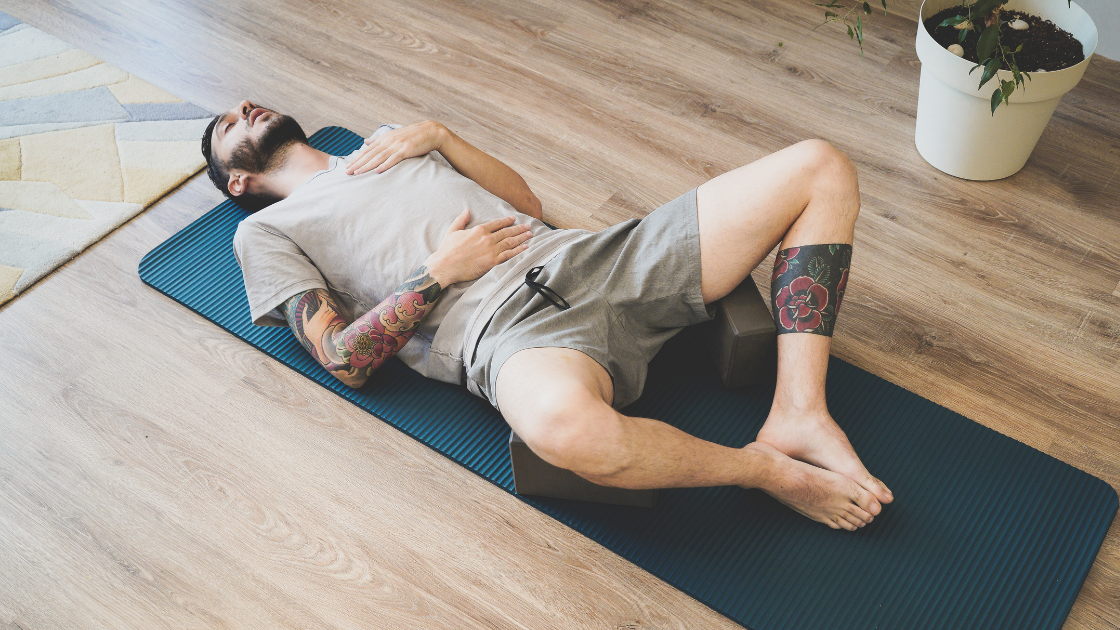
Stress does not always leave when the problem ends. Your body can stay wired long after the email, argument, bill, traffic jam, or work deadline has passed, and that lingering tension wears people down fast. Calm breathing exercises give Americans a practical way to help the body shift out of alarm mode before stress turns into a full-day mood, a headache, or another restless night. This is not about pretending life is peaceful when it is not. It is about giving your nervous system a clear signal that the danger has passed.
Most people breathe in a way that matches their day: rushed, shallow, and slightly braced. That pattern can make stress feel heavier than it needs to feel. A slower breath creates a small pause between pressure and reaction, which is often where recovery begins. For people building healthier routines through trusted wellness resources like daily stress management guidance, breathing can become the simplest tool in the whole plan. You carry it into the car, the office, the kitchen, the waiting room, and every hard conversation.
Why Breathing Changes the Body’s Stress Response
Stress recovery starts in the body before it becomes a mindset. You can tell yourself to calm down for twenty minutes and still feel tense if your breathing keeps sending danger signals. That is why breath work matters. It gives the body a physical cue before your thoughts have finished arguing with each other.
How Shallow Breathing Keeps Stress Active
Shallow breathing often sneaks in during normal American routines. A nurse charting between patients, a parent rushing through school pickup, or a remote worker staring at back-to-back video calls may breathe high in the chest without noticing. The body reads that pattern as effort, pressure, or threat, even when nothing dramatic is happening.
That matters because stress is not only an emotion. It is a body state. Tight shoulders, clenched jaws, fast thoughts, and short breaths all feed each other. When your breathing stays clipped, your system has less room to downshift after the stressful moment has passed.
The odd part is that many people wait until they feel calm to breathe better. That gets the order backward. Better breathing often comes first, then the calmer feeling follows. Not always. But often enough to make it worth practicing.
Why a Slower Exhale Sends a Safety Signal
A longer exhale can feel too simple to trust, but it has a strong effect because the body understands rhythm better than pep talks. When you breathe out slowly, your system gets a message that it can release some grip. The shoulders soften. The face loosens. The next thought may still be messy, but it lands in a less reactive body.
Try noticing what happens after a sigh. The body already knows how to discharge tension through the breath. A structured exhale only makes that natural reset more intentional. You are not forcing calm. You are making room for it.
This is where stress relief breathing becomes useful in daily life. It does not ask you to leave your job, cancel your responsibilities, or find a silent mountain cabin. It gives you a small recovery method that works inside the life you already have.
Calm Breathing Exercises That Fit Real American Days
Breath practice fails when it feels like another task to perform. People do not need a perfect wellness ritual at 6 a.m. before green juice and a quiet journal session. They need something that works after a tense phone call, in a parked car outside Target, or during the two minutes before a meeting starts.
Box Breathing for Workday Pressure
Box breathing is useful because it gives the mind a shape to follow. You breathe in for a count, hold, breathe out, and hold again. The pattern keeps attention from scattering, which helps when stress has made your thoughts jump from one problem to the next.
A simple version works well for most people: inhale for four, hold for four, exhale for four, hold for four. Repeat it for four rounds. You do not need to chase a dramatic feeling. The win is smaller and more practical: you stop feeding the stress loop for a moment.
Office workers, teachers, business owners, and college students can use this before sending a message they might regret. That is the underrated value. Breathing does not only help you feel better; it can protect your decisions when pressure is trying to speak for you.
4-6 Breathing for Evening Recovery
The evening can be strange because the body may still act like the day is not over. You sit on the couch, but your chest still feels like a browser with too many tabs open. A 4-6 pattern gives the body a clean contrast: inhale gently for four, exhale slowly for six.
This works well after commuting, caregiving, customer-facing work, or a long day of problem-solving. The longer exhale makes the practice feel less like performance and more like release. Keep the breath soft. Forcing it turns the exercise into another form of control.
A mindful breathing practice at night should feel almost boring. That is not a flaw. Boredom can be a good sign when your body has spent the day swimming in urgency. Let the nervous system learn that nothing needs to be solved in this exact breath.
Calm Breathing Exercises for Better Stress Recovery in Hard Moments
Some stress does not arrive politely. It hits in the grocery aisle, during a family text thread, before a medical appointment, or while reading an unexpected bill. Those moments need breath tools that are quick, private, and simple enough to remember when your brain is already crowded.
The Physiological Sigh for Sudden Tension
The physiological sigh is a fast reset pattern: take a deep inhale, add a second small inhale before breathing out, then release through a long exhale. It often feels natural because the body sometimes does this on its own after crying, panic, or heavy frustration.
This method helps when stress spikes suddenly. A driver cut you off. Your boss sends a sharp message. Your child melts down in public. You may not have five quiet minutes, but you can take one or two rounds without turning it into a scene.
The counterintuitive part is that a tiny second inhale can help the exhale feel more complete. Many people try to calm down by taking one giant breath in, then they get more tense. The release matters more than the size of the inhale.
Quiet Nose Breathing in Public Spaces
Nose breathing is easy to overlook because it does not look like a formal technique. That is exactly why it works in public. You can sit in a waiting room, stand in line, or ride public transit without anyone knowing you are regulating your body.
Start by closing your mouth gently and breathing through your nose with a slower pace than usual. Do not make the breath huge. Make it smooth. A nervous system reset often begins with less effort, not more.
This can help before awkward conversations or busy social settings. Many Americans move through public life with a low hum of tension, especially in loud stores, traffic-heavy cities, crowded airports, or overstimulating workplaces. Quiet breathing gives you a private handle on that noise.
Building a Breathing Habit That Does Not Fall Apart
A breathing habit should be small enough to survive a bad week. That is the piece many people miss. They start with a big routine, miss two days, then decide they failed. Better to build something modest that can hold up under pressure.
Pair Breathing With Existing Daily Cues
The easiest habits attach to things you already do. Breathe for one minute after brushing your teeth. Take four slow breaths before starting the car. Use three rounds of box breathing before opening your laptop. These cues reduce the need for motivation.
A server in a busy restaurant might take two slow breaths before walking back onto the floor. A parent might breathe during the microwave countdown. A student might use a 4-6 pattern before opening a test. Small cues become reliable because they live inside ordinary moments.
This also removes the pressure to “be good at” breathing. You are not training for a competition. You are building a repeatable response that makes stress less likely to run the entire room.
Track Recovery by Behavior, Not Perfect Calm
Many people quit because they still feel some stress after breathing. That is the wrong scorecard. The better question is whether you respond with a little more patience, sleep a little easier, soften your jaw faster, or recover from irritation without dragging it into the next hour.
Breathing techniques for anxiety can support that shift, but they are not magic buttons. They work best when paired with honest lifestyle choices: fewer late-night arguments on the phone, less caffeine after lunch, more walking, and better boundaries around work messages.
Progress often looks ordinary. You pause before snapping. You notice your shoulders sooner. You stop carrying one tense meeting into dinner. That kind of change does not always feel dramatic, but it can reshape the way your days land in your body.
Conclusion
Stress recovery should not depend on perfect conditions because most people do not live inside perfect conditions. They live inside bills, jobs, family needs, traffic, noise, news alerts, and bodies that remember pressure longer than expected. The practical answer is not to chase calm as a personality trait. The answer is to build tiny recovery points into the day before stress hardens into your default setting.
The best breathing exercises are the ones you will use when life feels inconvenient. A longer exhale before answering a tense message. A quiet nose breath in a crowded store. A short box-breathing round before a meeting that matters. These small actions teach your body that pressure can rise without taking full control.
Calm breathing exercises work best when you treat them like basic hygiene for your nervous system. Start with one pattern, attach it to one daily cue, and practice before the day gets loud. Give your body a better signal, and your mind will have a better place to stand.
Frequently Asked Questions
What are the best breathing exercises for stress recovery at home?
Box breathing, 4-6 breathing, and slow nose breathing work well at home because they are simple and easy to repeat. Practice for two to five minutes in a quiet spot, especially after work, before sleep, or after an emotionally loaded conversation.
How long should I practice stress relief breathing each day?
Two to five minutes is enough for many people to feel a shift. Longer sessions can help, but consistency matters more than duration. A short daily practice usually beats one long session that only happens when stress becomes unbearable.
Can breathing techniques for anxiety help during a panic moment?
They can help some people lower the intensity, especially when the technique is familiar before panic starts. A long exhale or physiological sigh may reduce the sense of being trapped. Severe or frequent panic deserves support from a qualified healthcare professional.
Is nose breathing better than mouth breathing for calming stress?
Nose breathing often supports a slower, steadier rhythm, which can help the body settle. Mouth breathing is not wrong, but it may become fast during tension. Soft nasal breathing can be a useful cue when you need calm in public.
What is the fastest breathing exercise for sudden stress?
The physiological sigh is one of the fastest options. Take a deep inhale, add a second small inhale, then exhale slowly. One to three rounds can help release sudden tension before you speak, react, or make a rushed decision.
Should I breathe deeply or gently when I feel stressed?
Gentle breathing usually works better than forceful deep breathing. Big forced inhales can make some people feel tighter or lightheaded. Aim for smooth, slow breaths with a relaxed exhale, especially when your body already feels overstimulated.
Can mindful breathing practice improve sleep quality?
It may help by lowering evening tension and giving the mind a slower rhythm before bed. A 4-6 breathing pattern works well because the longer exhale encourages release. Pair it with dim lights and less screen time for better results.
How do I remember to use breathing exercises during a busy day?
Attach breathing to routines you already have. Try three slow breaths before starting the car, opening email, entering a meeting, or eating lunch. The cue matters because stress makes memory unreliable when you need the tool most.