
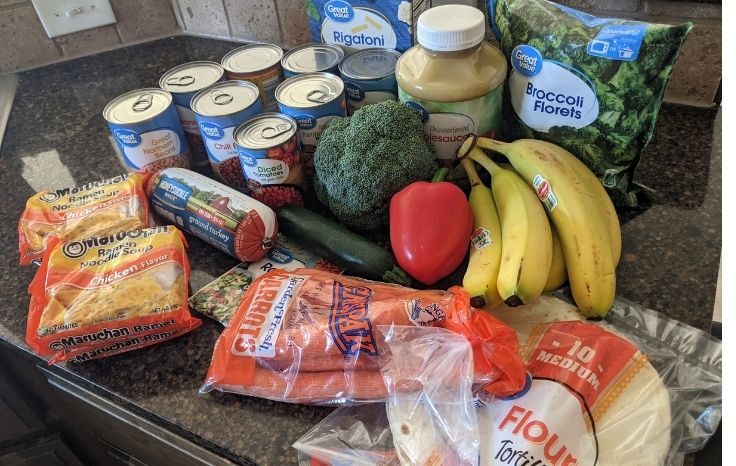
Food gets expensive fastest when every meal decision happens at the worst possible moment: after work, in a crowded store, with a tired brain and an empty stomach. Budget grocery planning gives you a calmer way to feed your household without turning food into a math problem you dread. The goal is not to eat the same rice bowl five nights in a row or chase every coupon like a second job. The goal is to build a repeatable system that keeps your fridge useful, your pantry honest, and your week easier to live through.
For many American families, the weekly food bill now feels less like shopping and more like damage control. That pressure makes smart household planning matter more than ever, especially when healthy choices often look expensive from the outside. A better plan flips that feeling. You stop asking, “What can I afford?” and start asking, “What can I make work twice?” That small shift changes everything.
Start With Meals Your Real Week Can Actually Handle
A food plan falls apart when it is designed for an imaginary version of your life. Most people do not need prettier recipes. They need meals that survive late meetings, school pickups, traffic, short lunch breaks, and the night when nobody wants to cook.
Match Food Choices to Your Energy, Not Your Mood
Healthy meal planning works best when it respects the day you are likely to have, not the day you wish you had. A Monday dinner should not demand the focus of a weekend project unless Monday is calm in your house. For many people, that means saving chopped salads, soups, or sheet-pan meals for nights when energy is low.
A realistic plan might put taco bowls on Tuesday, rotisserie chicken plates on Wednesday, and pasta with vegetables on Thursday. None of those meals feels fancy. That is the point. Food that gets eaten is always better than a perfect recipe that quietly dies in the crisper drawer.
Build Around Two Anchor Ingredients
A weekly grocery list becomes easier when two ingredients do most of the heavy lifting. Chicken thighs, eggs, black beans, oats, brown rice, tuna, potatoes, and frozen vegetables can stretch across several meals without making every plate taste the same.
One bag of potatoes can become breakfast hash, baked potato bowls, and a side for salmon patties. That is not boring. That is quiet control. The trick is changing the sauce, texture, or add-on so your brain does not feel trapped by leftovers.
Make the Store Work for Your Plan
Good food savings often happen before you enter the store. The cart only shows the final decision. The better work happens at the kitchen counter, where you check what you already own and decide what deserves a place in the week.
Shop Your Kitchen Before the Store
A half-used jar of salsa, two onions, frozen peas, and a box of pasta can already point toward dinner. Many households overspend because they shop as if the kitchen starts empty every week. It almost never does.
Before making a weekly grocery list, open the fridge, freezer, and pantry with a pen in hand. Write down food that must be used first. That small inventory can save money and prevent the strange guilt of throwing away food you meant to cook.
Stop Buying Ingredients That Only Serve One Meal
Special ingredients can wreck a small food budget because they sit around after one recipe. A sauce used once, a spice blend nobody likes, or a fresh herb that wilts by Friday turns a cheap dinner into a quiet waste problem.
Affordable meal prep depends on flexible foods. Plain Greek yogurt can become breakfast, a sauce base, or a baked potato topping. Tortillas can carry eggs, beans, chicken, or roasted vegetables. A store brand marinara can support pasta, meatball subs, and a quick skillet meal.
Use Price, Protein, and Produce as Your Weekly Triangle
Budget Grocery Planning succeeds when every cart balances three things: cost, staying power, and actual nourishment. Cheap food alone can leave you hungry. Healthy food without a price check can drain the week’s cash. The middle is where the plan starts to feel sane.
Choose Protein That Pulls Double Duty
Protein is often the most expensive part of the cart, so it has to work hard. Eggs, canned tuna, beans, lentils, cottage cheese, ground turkey, chicken drumsticks, and peanut butter can support healthy meal planning without blowing the budget.
A pound of ground turkey can become chili one night and stuffed peppers another. A dozen eggs can cover breakfast, fried rice, and a quick dinner with toast and fruit. The smartest choice is not always the cheapest package. It is the one that helps you avoid another trip through the drive-thru.
Let Frozen and Canned Produce Carry the Backup Plan
Fresh produce gets the spotlight, but frozen and canned options often save the week. Frozen spinach, broccoli, mixed vegetables, berries, and canned tomatoes keep you from abandoning dinner when the fresh stuff runs out.
This is where low cost dinners get easier. A bag of frozen vegetables can bulk up ramen, rice bowls, pasta, eggs, or soup in minutes. Canned beans can turn a sad bowl of rice into something filling. No one needs to romanticize it. The food simply works.
Plan for Leftovers Without Making Them Feel Like Punishment
Leftovers fail when they return to the table unchanged. The meal might still be fine, but the appetite is gone. A better plan treats leftovers as ingredients waiting for a second life.
Cook Once, Change the Format Twice
Roasted chicken can become wraps, soup, or quesadillas. Rice can move from a dinner side to fried rice or a burrito bowl. Beans can start in chili and end inside tacos. The base stays the same, but the meal feels different enough to earn another night.
Affordable meal prep gets stronger when you cook parts, not full plates. A container of cooked grains, one protein, one chopped vegetable, and one sauce can create several combinations. That gives you options without turning Sunday into a kitchen marathon.
Use Flavor Changes to Prevent Food Fatigue
Food fatigue is real, and it has nothing to do with discipline. Eating the same taste too often makes takeout feel louder. The fix is simple: keep cheap flavor tools on hand.
Salsa, mustard, hot sauce, lemon juice, vinegar, garlic powder, soy sauce, and chili flakes can move the same ingredients into a new direction. A rice bowl with beans and corn tastes different with salsa than it does with soy sauce and an egg. That tiny shift protects the plan from boredom.
Keep the Budget Flexible Enough to Survive Real Life
A food budget that leaves no room for mistakes is not a plan. It is a trap. The strongest grocery systems include backup meals, small treats, and enough breathing room to handle a rough day.
Create a Shelf-Stable Emergency Dinner List
Every home needs three emergency dinners that can be made without fresh ingredients. That list might include tuna melts, bean soup, peanut noodles, tomato pasta, boxed mac with peas, or breakfast-for-dinner plates.
Low cost dinners like these keep one bad day from turning into a $45 delivery order. They also reduce stress because you know the house can feed you even before the next shopping trip. That kind of confidence matters when money feels tight.
Budget for Joy, Not Only Survival
A strict cart can backfire when it removes every small pleasure. People do not stick with plans that make food feel grim. A store-brand ice cream, better coffee, fresh berries on sale, or a favorite snack can belong in the cart when it keeps the larger plan steady.
The counterintuitive truth is that a tiny planned treat can prevent bigger impulse spending. When the week already contains something you enjoy, the snack aisle has less power over you. Discipline works better when it does not feel like punishment.
Conclusion
A better grocery plan is not built from perfection. It is built from repeatable choices that match your money, your schedule, and the way your household actually eats. The smartest families are not always the ones with the prettiest meal boards or the most creative recipes. They are the ones who know which foods stretch, which dinners save a hard night, and which small comforts keep everyone on board.
Budget grocery planning works because it turns food decisions into a system instead of a daily negotiation. You buy with purpose, cook with room to adjust, and stop treating every meal like a fresh problem. That shift protects your money, but it also protects your attention.
Start with one week. Pick two anchor ingredients, three backup dinners, and one small treat that makes the plan feel livable. Then build from what worked, not from what looked perfect on paper. Your grocery cart should serve your life, not boss it around.
Frequently Asked Questions
How do I make a weekly grocery list for healthy meals on a tight budget?
Start with meals you already know your household will eat. Check your pantry, freezer, and fridge first, then build the list around two proteins, two grains, and several flexible vegetables. This keeps the list focused and cuts repeat purchases.
What are the cheapest healthy foods to buy every week?
Eggs, oats, beans, lentils, rice, potatoes, frozen vegetables, canned tomatoes, peanut butter, tuna, and seasonal fruit often give strong value. Store brands can help too. The best choices are foods that work in more than one meal.
How can I avoid wasting groceries before the week ends?
Put the most perishable food at the front of the fridge and plan those meals early. Wash or chop produce only when it helps you use it faster. Keep one flexible soup, stir-fry, or pasta night for food that needs to be used.
Is meal prep cheaper than cooking every night?
Meal prep can be cheaper when it prevents takeout and reduces waste. It does not need to mean cooking full meals for five days. Preparing grains, proteins, sauces, and washed produce often gives more flexibility than boxed portions.
How much should one person spend on groceries each week?
The right amount depends on location, diet, store access, and cooking habits. A single adult can often lower spending by planning repeat ingredients, buying store brands, and limiting convenience foods. Tracking one month of receipts gives the clearest target.
What meals are healthy, filling, and cheap for families?
Bean chili, chicken rice bowls, vegetable pasta, egg fried rice, baked potato bars, lentil soup, turkey tacos, and tuna melts can feed families well. Add frozen vegetables or salad kits when possible to raise nutrition without adding much work.
How do I plan groceries when food prices keep changing?
Build the plan around categories instead of fixed items. Choose “affordable protein,” “sale fruit,” or “frozen vegetable” rather than one exact product. This lets you adjust in the store without losing the structure of the week.
Can I eat healthy without buying expensive organic foods?
Yes. Conventional produce, frozen vegetables, canned beans, eggs, oats, and basic proteins can support a strong diet. Organic labels are optional, not a requirement for eating well. Consistency, variety, and lower waste matter more for most households.