
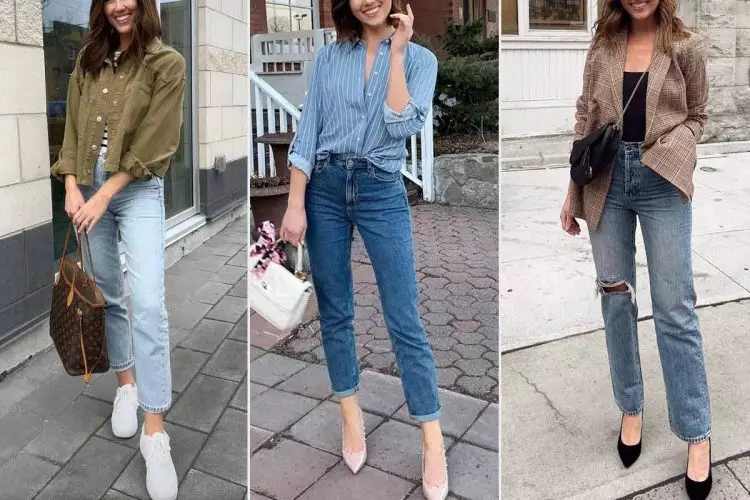
A closet earns trust when it works on a rushed Monday, a chilly Friday night, and a warm Sunday afternoon without making you start from scratch. That is why outfit combinations matter more than chasing whatever color, hemline, or shoe shape is having a loud month on social media. Across the USA, where one person may need a polished office look in Chicago and another needs a relaxed dinner outfit in Austin, the best style choices are the ones that adapt. The goal is not to own more clothes. The goal is to make fewer pieces do better work. A few sharp pairings can carry you through weather swings, casual plans, work days, errands, travel, and dinner without that familiar “nothing to wear” feeling. Fashion feels calmer when your wardrobe has a backbone, and good taste starts looking less like luck and more like a repeatable habit. For readers who follow modern lifestyle and style coverage, this kind of practical dressing is where personal style becomes easier to live with every day.
Build Around Classic Wardrobe Staples That Never Look Tired
Trends can add flavor, but classic wardrobe staples hold the whole meal together. The trick is choosing pieces that do not feel stiff, old, or overly safe. A white button-down, straight-leg denim, a black blazer, clean sneakers, loafers, a knit cardigan, and tailored trousers can look current every year when the fit, fabric, and styling feel intentional.
Why Fit Matters More Than the Label
A $40 shirt that fits your shoulders will beat a designer shirt that pulls at the buttons. Style gets judged in inches, not price tags. Sleeves that hit the wrist, pants that break cleanly, and jackets that sit flat across the back make even basic clothes look planned.
This matters in real American routines. A woman heading from a Dallas office to dinner does not need a full outfit change if her trousers fall right and her blouse sits clean under a blazer. She can switch flats for heels, add earrings, and look ready without dragging a second wardrobe in her car.
The counterintuitive part is that “boring” pieces become the most expressive when they fit well. Poor fit makes color and pattern work harder than they should. Good fit lets quiet clothes speak first.
How Neutrals Create More Freedom
Neutral clothes are not plain when they are chosen with texture in mind. Cream denim, charcoal wool, tan cotton, navy knits, and black leather all read differently, even though none of them shout. That is what gives you room to repeat pieces without looking repeated.
Classic wardrobe staples also make shopping less emotional. When you already know that navy, camel, white, gray, black, and denim work together, you stop buying random pieces that only match one thing. Your closet becomes less like a storage unit and more like a small working system.
A strong neutral base still leaves space for personality. Add a red scarf in Boston, a turquoise ring in Santa Fe, or a printed silk bandana in Nashville. The base stays calm, and the detail gets noticed.
Use Seasonal Style Ideas Without Rebuilding Your Closet
Weather changes do not require a new identity. The smartest seasonal style ideas come from changing weight, texture, and proportion while keeping your core pieces in play. That is how a wardrobe stays useful from January through July without feeling stale or wasteful.
What Changes When Temperatures Shift?
Cold weather asks for density. A ribbed sweater, wool coat, dark jeans, and ankle boots feel right because the fabrics have visual weight. Warm weather asks for air. Cotton poplin, linen blends, lighter denim, and open necklines help the same personal style breathe.
A New Yorker may wear black trousers with a turtleneck and coat in February, then keep the trousers for May with a sleeveless knit and loafers. The item has not changed. The mood around it has.
Seasonal style ideas work best when you treat weather as a styling cue, not a shopping command. You do not need four separate wardrobes. You need pieces that can shift roles without looking confused.
Why Color Should Follow Light, Not Rules
People often treat seasonal color like a strict chart, but natural light matters more. Bright white can look sharp in summer sun and harsh under gray winter skies. Camel can feel rich in fall and heavy in humid August. The same color behaves differently depending on the day.
That is why a soft blue shirt, ivory sweater, olive jacket, or faded denim can work across months when the surrounding pieces change. In spring, olive feels fresh with cream pants. In fall, it feels grounded with dark denim and boots.
The unexpected move is keeping one off-season color in rotation. A black dress in summer can look clean with flat sandals and gold hoops. White jeans in winter can look expensive with a gray coat and suede boots. Breaking the small rules often creates the strongest outfit.
Make Year-Round Outfits From Pieces That Change Roles
A useful wardrobe depends on pieces that behave differently in different settings. Year-round outfits come from owning clothes that can move between casual, polished, and relaxed with a few changes around them. The strongest items do not demand attention. They support it.
Which Pieces Work Hardest Across Occasions?
A black slip skirt can be worn with a sweatshirt and sneakers on Saturday, a blouse and pumps at work, or a cashmere sweater and boots for dinner. That range is worth more than five pieces that each serve one narrow purpose.
The same goes for dark straight-leg jeans. In Los Angeles, they can work with a white tank and sandals. In Seattle, they can sit under a trench with loafers and a striped knit. In Atlanta, they can pair with a soft blouse for a casual Friday that still feels pulled together.
Year-round outfits are built by asking one question before buying: “Can this piece live three different lives?” If the answer is no, it may still be beautiful, but it has to earn its space in another way.
How Shoes Change the Whole Message
Shoes decide the tone faster than most people think. A blazer with sneakers says relaxed confidence. The same blazer with loafers says sharp and steady. Add pointed flats, and the outfit becomes more refined without feeling dressed up.
This is where many closets fail. People buy tops and bottoms, then treat shoes as an afterthought. The result is a good outfit that lands slightly wrong. Too casual. Too formal. Too heavy. Too delicate.
A small shoe lineup can solve most style problems: clean sneakers, loafers, ankle boots, flat sandals, and one dressier shoe. That range supports school drop-offs, office days, dinners, weekend trips, and weddings without panic shopping.
Finish With Smart Layering Pieces That Add Shape
Layering is not only about warmth. Smart layering pieces create structure, hide weak spots, and make simple clothes look finished. A great outer layer can turn jeans and a T-shirt into an outfit that feels chosen, not grabbed.
How Jackets Create Instant Direction
A denim jacket makes a sundress feel casual. A trench coat makes joggers feel intentional. A cropped leather jacket gives wide-leg pants more edge. A blazer sharpens almost anything, especially when the rest of the outfit is relaxed.
This works because jackets create an outline. They frame the shoulders, control volume, and give the eye a clear shape to follow. Even a plain tee looks better when the layer over it has good lines.
Smart layering pieces also help across regional weather. In San Francisco, a light jacket may be needed all year. In Florida, a linen overshirt may be enough for air-conditioned restaurants. In Minnesota, a wool coat becomes part of the outfit, not something thrown over it.
What Makes Layers Feel Polished Instead of Bulky?
Good layering starts with thickness control. A thin base, medium middle, and structured outer layer usually work better than stacking three heavy pieces. The goal is movement, not armor.
Length matters too. A long cardigan over wide pants can drag the body downward, while a shorter jacket can bring balance back. A long coat over slim jeans can look elegant because the proportions oppose each other.
The quiet secret is that layers should answer a problem. Need warmth? Add a knit. Need shape? Add a blazer. Need ease? Add an overshirt. When every layer has a job, the outfit feels natural instead of crowded.
Conclusion
A good wardrobe should not make you feel like you are auditioning for your own life. It should meet you where you are, then help you look a little sharper, calmer, and more prepared than the day requires. The strongest style is rarely the loudest one in the room. It is the one that keeps working after the trend has moved on, after the weather changes, and after your schedule gets messy.
That is the real value of timeless outfit combinations: they give you a way to dress well without making fashion feel like homework. Start with the clothes you trust most, check the fit, build around repeatable pairings, and let accessories or layers carry the seasonal shift. You do not need a closet full of new pieces to look better. You need a tighter sense of what already works.
Open your closet today, pull three pieces that always make you feel like yourself, and build from there with intention.
Frequently Asked Questions
What are the best timeless outfits for everyday wear?
Start with straight-leg jeans, a clean shirt, a structured jacket, and shoes that match your day. Sneakers make it casual, loafers make it polished, and ankle boots add shape. The best everyday look feels comfortable without looking careless.
How can I create seasonal outfits without buying new clothes?
Change texture, shoes, and layers before buying anything. A dress can work in summer with sandals, then shift into fall with boots and a cardigan. Small changes often make familiar clothes feel fresh again.
What colors work best for a year-round wardrobe?
Navy, black, white, cream, gray, denim blue, camel, and olive work across most seasons. These shades mix well, photograph cleanly, and support brighter accents when you want more personality.
How many wardrobe staples does a woman need?
Most people can build strong daily looks with 12 to 18 reliable staples. The exact number matters less than how well the pieces work together. A smaller closet with better pairings beats a packed closet full of one-use items.
What shoes go with most casual and dressy outfits?
Loafers, clean sneakers, ankle boots, flat sandals, and one refined dress shoe cover most plans. Those five options can shift jeans, dresses, trousers, and skirts between relaxed and polished settings.
How do I make basic outfits look expensive?
Focus on fit, fabric, and grooming. Steam your clothes, keep shoes clean, choose simple jewelry, and avoid pieces that pull or sag. Expensive style often comes from care, not price.
Can denim be part of a polished wardrobe?
Dark or clean-cut denim can look polished with the right partners. Pair it with a blazer, tucked shirt, belt, and loafers. Avoid heavy distressing when you want the outfit to feel more refined.
What is the easiest way to plan outfits for the week?
Choose one base piece for each day, then build around weather and schedule. Keep shoes and layers visible while planning. Outfits come together faster when you decide the anchor first.