
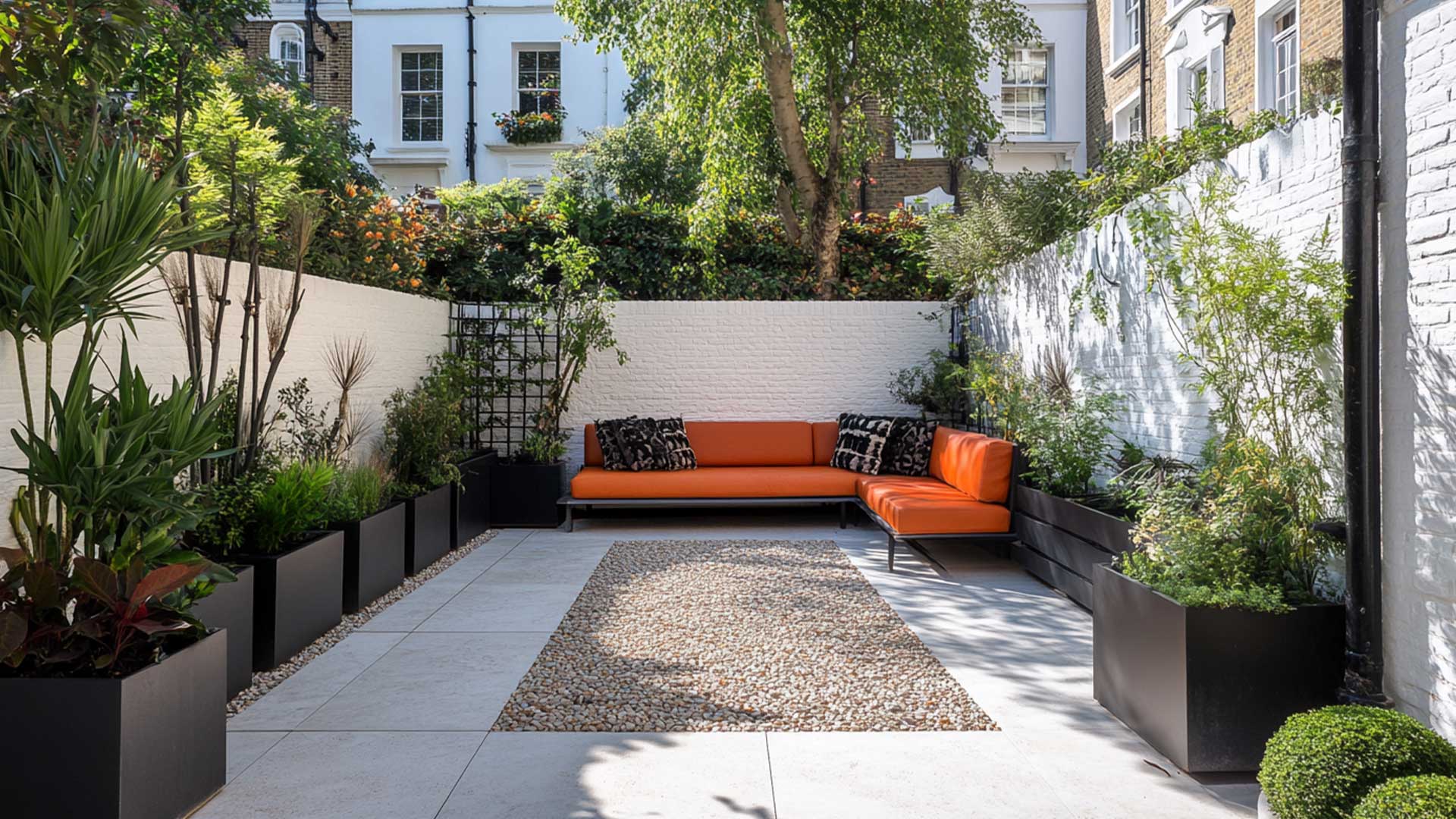
A tiny outdoor area can expose every weak design choice fast. When space is tight, clutter has nowhere to hide, cheap pots look louder, and one oversized chair can make the whole garden feel like a storage corner. That is why small garden ideas matter so much for urban homes across the USA, from Brooklyn brownstones to San Diego townhomes and Chicago condos with narrow patios.
The good news is that a small garden does not need to feel small. It needs a sharper plan. A city homeowner can turn a slim side yard, rooftop corner, balcony, or fenced patio into a place that feels calm, useful, and personal. Even a renter can build something beautiful with containers, folding furniture, and smart plant choices.
The strongest outdoor spaces usually start with one clear decision: what should this garden do for your real life? Some people need morning coffee space. Others need herbs, privacy, shade, or a soft landing after work. A thoughtful outdoor setup also supports a stronger home lifestyle, much like the practical home and living ideas shared through modern lifestyle inspiration. Small gardens succeed when every inch has a job and every detail earns its place.
Start With a Layout That Makes the Garden Feel Larger
A small urban garden does not forgive guesswork. You can buy lovely plants and still end up with a cramped mess if the layout fights the space. The first win comes from treating the garden like a room, not a leftover strip outside the back door.
Build One Main Path for Easy Movement
A narrow garden needs movement before decoration. If you cannot walk through the space without brushing against chairs, pots, or thorny stems, the design has already failed. A clean path tells the eye where to go and gives the garden a quiet sense of order.
Many American row homes have long, skinny backyards that feel more like alleys than gardens. In that setup, a simple stepping-stone path along one side works better than a centered walkway. It leaves a wider planting zone on the other side and keeps the space from splitting into two awkward halves.
The counterintuitive move is to leave more open ground than you think you need. People often fill a small garden because they fear it will look empty. In truth, a little breathing room makes the planted areas feel more intentional, not sparse.
Use Zones Without Building Walls
A small garden can still have different zones, but heavy dividers make it feel chopped up. The better move is to suggest zones through flooring, plant height, furniture placement, or lighting. A gravel patch can become a sitting area. A raised planter can frame a herb corner. A small rug can mark the coffee spot.
This works especially well in urban garden design because city homes often need one outdoor space to do several jobs. A Philadelphia patio might serve as a dining space on Friday night, a play corner on Saturday morning, and a quiet reading spot on Sunday. Flexible zones keep that possible.
Avoid the mistake of making each zone equal. One area should lead. If dining matters most, give the table the best position. If plants matter most, let the seating stay smaller. A garden with one clear priority feels calmer than a garden trying to impress from every angle.
Choose Plants That Work Hard in Tight Spaces
Once the layout feels right, plants decide whether the garden feels alive or crowded. Small outdoor spaces need plants that bring structure, color, scent, and seasonal interest without turning into a maintenance problem. Pretty is not enough. The plant has to behave.
Pick Vertical Plants Before Spreading Plants
Vertical planting is the friend of every city gardener. Tall, narrow plants pull the eye upward and make walls, fences, and railings feel useful instead of boxed in. Climbing jasmine, clematis, espaliered fruit trees, and trellised vegetables can add life without eating up floor space.
A homeowner in Seattle with a six-foot fence might get more impact from one climbing hydrangea than from ten low pots scattered around the patio. The vertical plant softens the boundary, adds texture, and keeps the ground open for seating or movement. That is smart compact backyard landscaping, not decoration for decoration’s sake.
The unexpected truth is that height can make a small garden feel less tight. People worry tall plants will close in the space. They usually do the opposite when placed around the edges, because they blur hard boundaries and create depth where flat fencing once stopped the eye.
Favor Fewer Plant Types With Strong Repetition
Small gardens get messy when every pot introduces a new leaf shape, color, and growth habit. A better plan uses fewer plant types and repeats them with confidence. Repetition feels designed. Random variety feels like a clearance shelf.
For a sunny Austin patio, you might repeat rosemary, lavender, ornamental grasses, and dwarf citrus in simple containers. For a shaded Boston courtyard, ferns, hostas, heuchera, and hydrangeas can create a cooler mood. The point is not to copy a formula. The point is to create rhythm.
This is where small outdoor spaces become easier to care for too. Fewer plant types mean simpler watering needs, clearer pruning habits, and fewer surprises. A garden that looks good but punishes you every weekend will not stay loved for long.
Make Furniture Earn Its Footprint
Furniture can save or sink a small garden. One bulky outdoor sofa can swallow the space before plants even get a chance. Good furniture in an urban garden has to support real use, fold away when needed, and look light enough that the area still feels open.
Choose Pieces That Move, Fold, or Stack
Urban patios change jobs during the week. A small table may hold breakfast on Monday, a laptop on Tuesday, and drinks for friends on Saturday. Furniture that moves easily lets the garden adapt without a full redesign every time life shifts.
Folding bistro sets are still popular for a reason. They work on balconies, side patios, and rental decks because they give you comfort without permanent bulk. Stackable chairs, nesting tables, storage benches, and lightweight stools can do the same thing with more flexibility.
Balcony garden ideas often fail when people buy furniture meant for a full backyard. A deep lounge chair may look tempting online, but it can make a balcony useless once it arrives. Measure the walking space after the chair is placed, not before. That small detail saves money and regret.
Let Built-In Seating Do More Than One Job
Built-in benches can be a smart move when the space belongs to you and the layout is stable. A bench along a fence or wall keeps seating at the edge instead of floating in the middle. That opens the garden and creates room for plants, planters, or a small table.
The best built-ins hide storage. Cushions, kids’ garden toys, extra soil, hand tools, and string lights all need a home. Without storage, they end up piled by the door. That pile becomes the first thing you see, and the garden starts feeling unfinished even when the plants look good.
One caution matters here. Built-in seating should not trap the garden in one use forever. Leave enough open space for a movable chair, a planter change, or a seasonal fire bowl where allowed. Permanent choices should make the garden stronger, not stiff.
Add Privacy, Light, and Texture Without Overcrowding
After layout, plants, and furniture are in place, the final layer gives the garden its mood. Privacy, lighting, and texture turn a practical space into a place you actually want to use. The trick is adding atmosphere without loading every surface.
Create Privacy With Soft Screens
Urban homes often sit close together, so privacy matters. A garden can look beautiful and still feel unusable if neighbors can see every cup of coffee, phone call, or family dinner. Hard privacy panels work sometimes, but they can also make the space feel boxed in.
Soft screens usually feel better. Tall grasses, bamboo in controlled containers, climbing vines, lattice with greenery, or slim evergreen shrubs can block sightlines while still letting light move through. In many small outdoor spaces, partial privacy feels more comfortable than total enclosure.
A Los Angeles townhouse patio might need screening from one upstairs window, not from every side. Solving that exact problem with one tall planter is smarter than surrounding the whole patio with panels. Privacy should be targeted. Otherwise, you trade exposure for a cage.
Use Lighting to Stretch the Garden Into Evening
Lighting changes how a small garden works after sunset. A single harsh wall light can flatten the whole space, while layered lighting makes it feel deeper and warmer. String lights, low solar stakes, lanterns, and small uplights can create shape without taking up much room.
This is where urban garden design becomes emotional. A tiny patio that feels plain at noon can feel almost magical at 8 p.m. when light catches leaves, softens the fence, and turns one chair into a retreat. Evening use matters for busy Americans who may only reach the garden after work.
Texture finishes the job. Gravel, wood, woven baskets, ceramic pots, metal lanterns, and weathered stone all add interest without demanding more square footage. Good texture lets the garden feel layered even when the plant list stays simple.
Conclusion
A small garden asks for honesty. You cannot fake space, and you cannot hide poor choices behind distance. Every pot, chair, plant, and path sits close to the eye, which means design discipline matters more than budget. That should feel freeing, not limiting.
The smartest small garden ideas do not try to copy large suburban yards in miniature. They respect city life. They work with fences, neighbors, balconies, narrow lots, rental limits, and strange corners. They make room for the way you actually live instead of chasing a showroom version of outdoor living.
Start with one purpose, then build around it. Choose a layout that lets you move, plants that suit the light, furniture that earns its footprint, and lighting that makes the space worth using after the day slows down. Your garden does not need more square footage to feel generous. It needs better decisions, made one inch at a time.
Frequently Asked Questions
What are the best small garden ideas for urban homes?
Start with a clear purpose, such as relaxing, growing herbs, dining, or adding privacy. Then choose slim furniture, vertical plants, repeated containers, and layered lighting. A small garden works best when every item has a reason to be there.
How can I make a small city garden look bigger?
Keep the center open, place taller plants around the edges, and use one clear path. Light-colored pots, simple flooring, and repeated plant choices also help. Too many materials or plant types can make the space feel smaller.
What plants work best for small urban gardens?
Choose plants that match your light and stay controlled. Herbs, dwarf shrubs, climbing vines, ornamental grasses, ferns, compact hydrangeas, and dwarf citrus can all work well. Avoid aggressive spreaders unless they are contained in pots.
How do I design a balcony garden with limited space?
Use railing planters, vertical shelves, hanging baskets, and folding furniture. Keep heavy pots near structural edges where safe, and leave enough room to move comfortably. A balcony should feel usable first and decorative second.
What is the easiest way to add privacy to a small garden?
Use targeted screening where you need it most. Tall containers, lattice with vines, bamboo in pots, or narrow evergreen shrubs can block views without closing the whole space. Privacy works best when it solves a specific sightline.
Can a small garden include a dining area?
Yes, but the table must fit the space after chairs are pulled out. Bistro tables, wall-mounted drop-leaf tables, and narrow benches often work better than full patio sets. Comfort matters, but movement matters more.
How do I keep a small garden from looking cluttered?
Limit plant varieties, repeat container styles, hide tools, and avoid oversized furniture. Clutter usually comes from too many small decisions competing at once. A restrained garden often feels richer than a crowded one.
Are raised beds good for small urban gardens?
Raised beds can work well if they do not block movement. Slim raised beds along a fence are great for herbs, greens, and compact vegetables. For tiny patios or balconies, deep containers may offer more flexibility than permanent beds.