
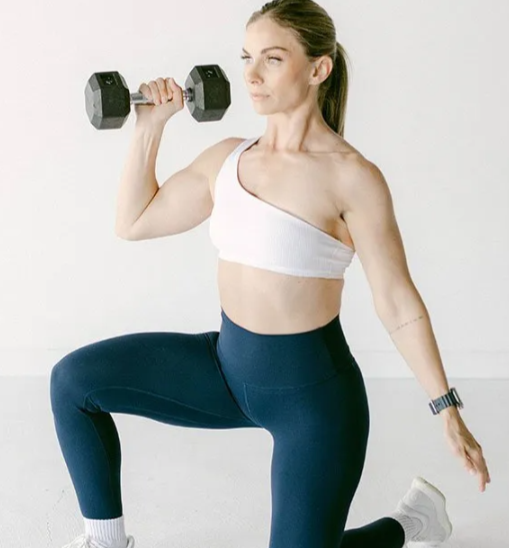
The years after fifty are when the habits that protect strength, bone, and balance pay the largest dividends, and a coordinated plan is what makes them stick.
The decade after fifty is a quiet turning point. Most people feel much the same as they did at forty-five, yet beneath the surface a few processes have started to accelerate. Muscle mass declines gradually unless it is actively maintained. Bone density begins to fall, more sharply in women around menopause. Balance and reaction time slowly change. None of this is dramatic year to year, which is exactly why it is easy to ignore until a fall, a fracture, or a sudden loss of strength makes it visible.
The encouraging reality is that these are among the most modifiable processes in the body. Research consistently indicates that strength, bone, and balance respond to training at any age, including well into the eighties and nineties. The patients who age best are rarely doing anything exotic. They are doing a small number of evidence-based things consistently, and they tend to start before a problem forces the issue. A coordinated plan across exercise, nutrition, and appropriate screening turns good intentions into a routine that actually holds.
What changes in the body after fifty
The most consequential change is the gradual loss of muscle, a process known as sarcopenia. Without a deliberate stimulus, adults lose muscle mass and, more importantly, muscle strength and power through the later decades, a connection the team at Primaris Health explores in its look at muscle mass and longevity. Strength and power matter even more than size, because they are what let a person rise from a chair, catch themselves from a stumble, or carry groceries up stairs.
Bone runs a parallel decline. Bone is living tissue that constantly remodels, and after midlife the balance tips toward loss. For women, the drop in estrogen around menopause accelerates this, which is why osteoporosis is more common in women, though men are far from exempt. Lower bone density raises the risk of fractures, and a hip fracture in particular can be a serious event for an older adult.
Balance, coordination, and reaction time also shift, partly through changes in muscle and partly through the nervous system. The combination of weaker muscles and slower balance reactions is what makes falls more likely and more dangerous with age. The good news is that each of these systems responds to training, and training them together is more effective than addressing any one alone.
Strength training is the foundation
If there is a single highest-value intervention for aging well, the evidence points to resistance training. Research indicates that progressive strength training builds muscle and strength in older adults, improves the ability to perform everyday tasks, supports bone density, and reduces fall risk. It is not optional background advice; it is closer to a core medical intervention for this stage of life.
The fear that lifting is dangerous for older adults has it backwards. Appropriately prescribed and progressed strength work is one of the safest and most protective things a person over fifty can do. The key is starting at the right level and progressing gradually, which is where a physiotherapist or exercise professional earns their place, particularly for patients with existing joint issues, osteoporosis, or a history of injury.
The training does not require a gym full of machines. Bodyweight movements, resistance bands, and free weights all work, and the principle is the same: load the major muscle groups, work to a meaningful effort, and progress over time. Two to three sessions a week covering the legs, hips, back, and arms fits most lives and produces measurable change within a couple of months.
Protecting and building bone
Bone responds to load, which means the same strength training that builds muscle also signals bone to maintain itself. Weight-bearing activity and resistance training are both associated with better bone health, while sedentary patterns accelerate loss. Movement is, in a real sense, a message to the skeleton to stay strong.
Nutrition is the other half of bone health, and a registered dietitian can help a patient cover the bases without resorting to a cabinet full of supplements. Several nutrients carry the strongest evidence.
- Calcium, ideally from food sources such as dairy, fortified alternatives, and certain leafy greens, with supplementation only where intake falls short.
- Vitamin D, which supports calcium absorption and runs low in many Calgary adults through the long winter, making testing and appropriate supplementation worth discussing with a clinician.
- Adequate protein, which is essential for both muscle and bone and is commonly under-eaten by older adults.
- A broader pattern rich in vegetables, fruit, and whole foods, which is associated with better bone health overall.
Decisions about bone-density screening and any medication belong with a physician, who weighs a patient’s individual risk. For many women around and after menopause, and for men with risk factors, a bone-density scan is a reasonable conversation to have.
Balance and fall prevention
Falls are not an inevitable part of aging, and fall risk is highly modifiable. Research indicates that balance training, particularly when combined with strength work, reduces the risk of falls in older adults. Since a single serious fall can change the trajectory of a person’s independence, this is one of the highest-return areas of training.
Balance is trainable in simple, practical ways. Standing on one leg while brushing teeth, walking heel to toe, practicing controlled movements that challenge stability, and progressing as confidence grows all build the system that keeps a person upright. A physiotherapist can assess balance objectively and prescribe exercises matched to a patient’s ability, which is safer and more effective than guessing.
Environmental factors matter alongside the training. Good lighting, removing trip hazards, appropriate footwear, and reviewing medications that can cause dizziness all reduce risk. Vision and inner-ear issues contribute to some falls and are worth checking. Stronger muscles, better balance, and a safer environment together are far more protective than any single piece.
The screening conversations worth having
The years after fifty are when certain screening becomes worthwhile, and a family physician is the right person to coordinate it. Blood pressure, cholesterol, and blood sugar screening identify cardiovascular and metabolic risk while there is still ample time to act. Age-appropriate cancer screening, bone-density assessment for those at risk, and a review of vaccinations all belong in this conversation.
Just as important is an honest review of the modifiable risks a patient is carrying: activity level, diet, alcohol, sleep, smoking status, and stress. These are not lectures but practical starting points, and a coordinated team can turn each into a concrete plan rather than a vague intention. A patient who leaves with a specific strength program, a realistic nutrition adjustment, and a screening schedule has something to act on.
Hearing and vision deserve a mention because they are easy to neglect and consequential. Untreated hearing loss is associated with social withdrawal and cognitive changes, and vision problems contribute to falls. Patients should consult a qualified clinician about which screening is appropriate for their age and personal risk.
Why a coordinated plan sticks
The barrier to aging well is rarely knowledge. Most people know they should exercise and eat reasonably. The barrier is turning that knowledge into a routine that survives contact with a busy life, and this is where a coordinated team makes the difference. A physiotherapist who designs a safe, progressive strength and balance program, a dietitian who tailors the nutrition piece, and a physician who manages screening and any medical conditions give a patient one coherent plan rather than scattered advice.
Shared charting means the exercise program accounts for the patient’s joint history, the nutrition plan reflects their medical conditions, and the physician sees the whole picture. This coordination matters more with age, because older adults more often have several conditions and medications interacting at once. A plan built in isolation by any single discipline can miss those interactions.
Perhaps most importantly, a coordinated plan can adjust as a patient changes. The right program at fifty-five is not the right program at seventy-five, and a continuing relationship with a team allows the plan to evolve. Patients who want to age with strength and independence should consult a qualified clinician, and those ready to build a structured plan can start a healthy-aging assessment that brings the pieces together.
Aging is more modifiable than most people assume
The losses of muscle, bone, and balance that accompany aging are real, but they are also among the most responsive to deliberate effort. Strength training, weight-bearing activity, adequate protein and calcium, vitamin D, balance work, and sensible screening together change how the later decades feel and function. The patients who do well are usually the ones who started before a crisis forced them to.
A multidisciplinary clinic suits this stage of life because the exercise, nutrition, and medical pieces can be coordinated into a single plan that adjusts as the patient ages. Patients over fifty should consult a qualified clinician about the screening and activity appropriate for their situation. None of this replaces individual medical advice.
About the author — this article was contributed by Primaris Health, a Calgary multidisciplinary clinic where physiotherapists, registered dietitians, and family physicians share one chart to support healthy aging. The clinic helps patients over fifty build coordinated plans for strength, bone health, balance, and appropriate screening.