
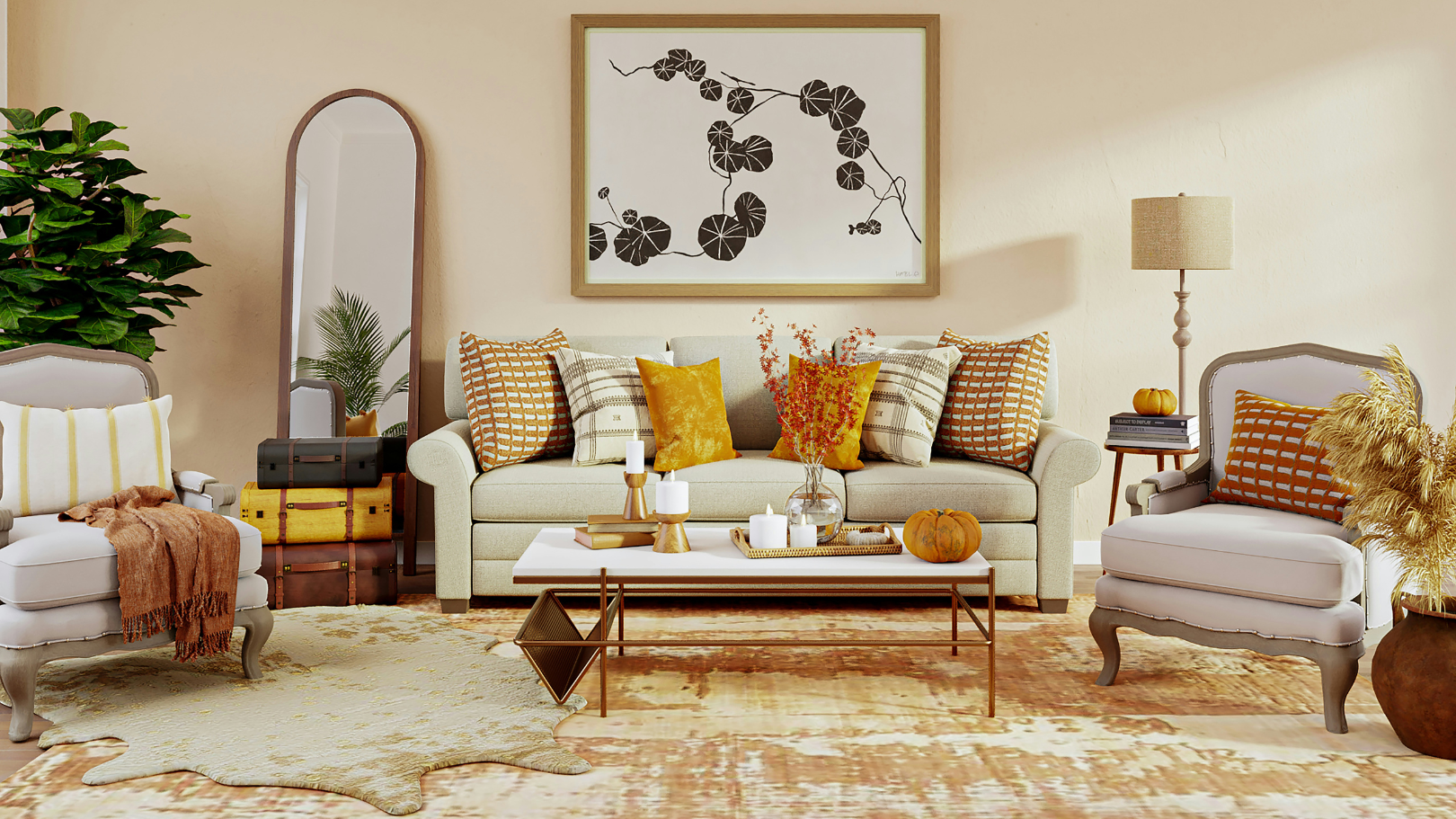
A rental can feel temporary on paper and still feel deeply personal when you walk through the door. The trick is not pretending you own the place; it is learning how to shape it with care, restraint, and a sharp eye for what can move with you. Good rental decor ideas start with choices that respect the lease while still giving your rooms warmth, function, and personality. That matters across the USA, where many renters deal with beige walls, strict landlords, shared buildings, and floor plans that were not made for their lives.
Comfort does not come from buying more. It comes from making each room behave better. A small Atlanta apartment, a Chicago studio, and a Phoenix rental home may look different, yet they all ask the same question: how do you make a space feel settled without making permanent changes? A good answer blends smart layout, soft texture, storage, lighting, and personal details. For more home and lifestyle inspiration, a modern living resource can help renters think beyond quick fixes and build rooms that feel calm from day one.
Rental Decor Ideas That Work Without Risking Your Deposit
A rental should never feel like a design punishment. Most renters hold back because they fear damage, extra charges, or an awkward move-out inspection, but the safest choices are often the ones that make the biggest visual difference. You do not need to drill into every wall or repaint every surface to make a room feel intentional.
Choose Pieces That Look Built-In Without Being Permanent
Freestanding furniture can do the job of custom work when you choose it with the room’s weak spots in mind. A tall bookcase can frame a blank wall, a slim console can create an entryway where none exists, and a storage bench can make a narrow hallway feel planned instead of forgotten. These pieces give structure to a rental without asking the landlord for permission.
A renter in Dallas, for example, may not be allowed to add shelving in a living room. A pair of matching open shelves on each side of a sofa can still create the feeling of a finished wall. The eye reads symmetry as intention. That one move can make a plain apartment feel more settled than a room packed with random decor.
The counterintuitive part is that larger pieces can make a small rental feel calmer. Too many tiny accents scatter attention. One cabinet, one rug, and one strong lamp often do more than ten small purchases that never connect.
Use Removable Surfaces With a Light Hand
Temporary wall decor has come a long way, but it still needs restraint. Peel-and-stick wallpaper, removable decals, and renter-safe hooks can change a room fast, yet overusing them can make a space feel busy. The smartest renters choose one focal surface and leave the rest quiet.
A removable backsplash in a kitchen can work well if the cabinets and counters are plain. A soft stripe behind a bed can add height without crowding the room. A set of framed prints hung with damage-free strips can turn a blank wall into a story without leaving nail holes behind.
Renter-friendly home decor works best when it looks like a choice, not a cover-up. Test adhesives in a hidden corner, keep product packaging, and take photos before installation. That small habit protects your deposit and gives you confidence to decorate without second-guessing every move.
Make Small Rental Living Feel Open, Warm, and Useful
Small spaces punish clutter faster than large homes do. They also reward smart decisions faster. Small rental living is not about making rooms look empty; it is about making every corner serve a clear purpose while still leaving enough visual space for your mind to rest.
Let Furniture Create Zones Instead of Walls
A studio or one-bedroom apartment often fails because everything blends together. The bed feels too close to the sofa. The work desk feels like it lives in the dining area. The whole place becomes one long blur. Rugs, lighting, and furniture placement can solve that without adding a single wall.
A rug under the sofa can mark the living zone. A floor lamp beside a chair can create a reading corner. A narrow table behind a couch can separate the sitting area from a workspace. These moves sound simple, but they change how your body understands the room.
Apartment decorating ideas should always begin with movement. You need clear walking paths before you need decorative objects. When a room lets you move without turning sideways around furniture, it feels larger even before you add color, art, or texture.
Pick Storage That Looks Like Decor
Storage has a bad reputation because people picture plastic bins and overfilled shelves. Good storage does not announce itself. It blends into the room, supports your habits, and gives everyday items a place to land before clutter spreads.
A lidded basket near the sofa can hide blankets, chargers, or pet toys. A bed with drawers can replace a bulky dresser. A coffee table with closed storage can keep remotes, books, and mail from taking over the surface. In a Boston apartment where closet space is tight, these choices are not decorative extras. They are survival tools.
The unexpected truth is that hidden storage can make a rental feel more expensive than visible decor. Clean surfaces signal care. When your keys, shoes, cables, and papers have homes, the room feels designed even if the furniture came from different stores over several years.
Add Comfort Through Light, Texture, and Daily Rituals
A rental often feels cold because the lighting is wrong, not because the furniture is bad. Overhead lights flatten a room. Bare windows echo. Hard floors feel louder than they should. Comfort begins when you soften those edges and make the space fit your daily rhythm.
Replace Harsh Lighting With Layers
Most rental lighting is built for maintenance, not mood. One ceiling fixture may brighten the room, but it rarely makes anyone want to sit down and stay. Lamps change that. A table lamp, floor lamp, and small task light can give a room depth that overhead lighting cannot provide.
Warm bulbs matter. They soften walls, flatter furniture, and make evenings feel less clinical. In a Seattle rental where gray weather can drag down the mood, warm layered lighting can make the home feel steady even on long rainy days. That is not a small thing.
Renter-friendly home decor should support how you live after sunset. Place light where you read, cook, dress, work, and relax. A room that looks fine at noon may fail at 8 p.m. Good lighting fixes the hours when you use your home most.
Use Fabric to Quiet the Room
Texture changes how a rental feels before anyone can explain why. Curtains soften window lines. Rugs reduce echo. Throws add warmth to plain seating. Cushions can pull color from art, bedding, or wood tones without making the room feel matched to death.
Temporary wall decor can add personality, but fabric often does the deeper work. A large curtain panel hung wider than the window can make the wall feel larger. A washable rug can define a dining corner. A linen duvet can make a basic bedroom feel calm without needing paint or built-in features.
A renter in Los Angeles may avoid heavy decor because the apartment already feels warm most of the year. Light cotton, woven shades, and pale rugs can still add comfort without trapping heat. Comfort is not one look. It is the right physical feeling for the place you live.
Personal Style Should Feel Collected, Not Crowded
A rental becomes home when it starts to show evidence of your life. The danger is rushing that process. Buying a cart full of matching decor can make a room look finished for a week, then oddly flat after the novelty fades. A collected space grows from better choices, not more choices.
Display Fewer Personal Items With More Intention
Personal style gains power when it has room around it. One framed photo on a dresser can feel meaningful. Twelve frames on the same surface can turn into noise. A travel print, a handmade bowl, or a stack of favorite books says more when it is not fighting for attention.
Apartment decorating ideas often focus on what to add, but editing is where the room gets its voice. Keep the pieces that still feel connected to your life. Move the rest into storage, donate them, or rotate them seasonally. A rental does not need to display every version of you at once.
The honest part is that renters often overdecorate because the space feels borrowed. They try to claim it fast. Better to claim it slowly and clearly. One strong corner can do more for your mood than a whole room filled with objects you bought out of frustration.
Build a Move-Friendly Style You Can Take With You
A smart rental setup should survive the next address. That does not mean every item must be neutral or plain. It means your best pieces should work across different layouts, wall colors, and room sizes. Portable style gives you freedom.
Choose art in standard frame sizes. Buy lamps that can work in bedrooms or living rooms. Pick rugs that could shift from a seating area to a dining space later. In cities like New York, Denver, and Austin, renters often move for jobs, rent changes, or better neighborhoods. A flexible home style saves money when life changes.
Small rental living becomes easier when your decor has range. The best pieces do not depend on one exact apartment to make sense. They carry your taste forward, which is the real difference between decorating for a lease and decorating for your life.
Conclusion
A rental does not need ownership paperwork to feel like yours. It needs choices that make daily life smoother, softer, and more honest. The best homes are not always the ones with the most freedom; sometimes they are the ones shaped by limits that force better decisions. When you cannot tear out cabinets or repaint every room, you learn to notice light, scale, movement, and texture with sharper eyes.
That is why rental decor ideas matter for more than looks. They help you stop treating your home like a waiting room. A good lamp can change your evening. A better layout can ease your morning. A clean entry corner can make the whole day start with less friction.
Start with one room, one problem, and one change you can finish this week. Make the space work harder for your life, and your rental will stop feeling temporary long before your lease ends.
Frequently Asked Questions
What are the best renter-friendly decorating ideas for apartments?
Start with lighting, rugs, freestanding storage, curtains, and removable wall accents. These changes improve comfort without permanent damage. Focus on pieces you can take with you, since move-friendly decor protects your budget and keeps your style consistent across future rentals.
How can I decorate a rental home without damaging walls?
Use damage-free hooks, removable adhesive strips, leaning frames, freestanding shelves, and peel-and-stick products tested in hidden spots first. Keep the original packaging and follow removal instructions carefully. This lowers the risk of paint damage during move-out.
What apartment decorating ideas make a small space feel bigger?
Use fewer large pieces instead of many small ones, keep walking paths clear, add mirrors thoughtfully, and define zones with rugs. Light curtains, raised-leg furniture, and closed storage also help a compact room feel open without making it feel bare.
Is temporary wall decor safe for rental apartments?
Most temporary wall products are safe when used on clean, smooth, fully cured paint. Problems happen when renters rush removal, apply products to weak paint, or ignore weight limits. Testing a small hidden area first is the safest move.
How do I make a rental bedroom feel more comfortable?
Start with soft bedding, warm lamps, curtains, and a rug if the floor feels cold or loud. Keep bedside surfaces simple and add one personal focal point, such as framed art or a textured headboard alternative that does not need wall mounting.
What renter-friendly home decor works on a tight budget?
Lamps, thrifted frames, washable rugs, baskets, curtains, and secondhand wood furniture give strong results for less money. Spend first on items that change comfort, not small objects that only fill shelves. Function should lead the budget.
How can I add personality to a rental kitchen?
Try a removable backsplash, a washable runner, counter lamps, open baskets, framed art, and better hardware if your landlord allows it. Keep the original hardware in a labeled bag so you can reinstall it before moving out.
What should renters avoid when decorating?
Avoid heavy wall installations, cheap adhesive products with poor reviews, oversized furniture, and trendy purchases that only work in one layout. Skip anything that risks your deposit unless you have written landlord approval and a clear plan for restoring the space.