
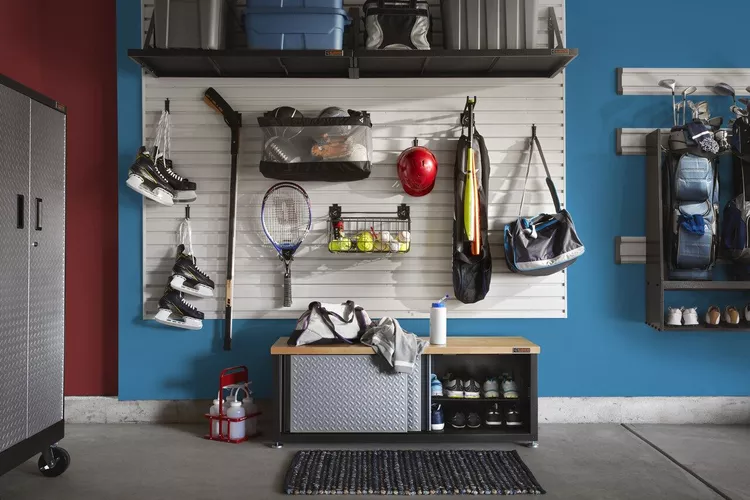
A small garage can turn messy faster than almost any room in the house. One grocery run, one sports season, one half-finished weekend project, and suddenly your car is competing with paint cans, bikes, tools, bins, and holiday boxes. That is why car storage ideas matter so much for American homeowners who have a one-car garage, a tight suburban garage, or an older home with less floor space than modern life demands. The goal is not to make the garage look like a showroom. The goal is to make it work on a Tuesday night when you come home tired and still need room to park.
A tight garage rewards clear choices. You need fewer random piles, smarter vertical zones, and a layout that respects how often you use each item. Good storage also protects your vehicle from scratches, dents, and daily frustration. For more home and lifestyle improvement inspiration, resources like practical home organization guides can help you think beyond quick fixes and build systems that last.
Car Storage Ideas That Start With Floor Space
The floor is where most small garages fail first. People buy bins, shelves, and hooks before asking the better question: what deserves to touch the ground? In a small garage, every square foot at tire level must earn its place because that is the same space your car door, bumper, and walking path need.
Why Floor Clutter Damages More Than Your Mood
Floor clutter feels harmless until it starts shaping your habits. A loose garden rake near the passenger side makes you park too far left. A stack of boxes near the wall makes you stop short. A cooler left beside the bumper turns every parking job into a guessing game.
Small garage organization begins with treating the parking zone as protected space. Tape the outline of your car on the floor for one week if needed. That sounds a little odd, but it works because it shows where your garage actually breathes. Once you see that outline, you stop pretending a narrow walkway is enough.
The counterintuitive move is to remove storage before adding storage. Many families in places like Ohio, Texas, and New Jersey keep broken folding chairs, half-empty cleaner bottles, and old car mats because “garage stuff” feels too useful to toss. It is not useful if it blocks the door every evening.
The Parking Path Should Come First
A small garage needs a clear driving path before it needs a fancy shelf system. Your front bumper, side mirrors, and doors need predictable clearance. That means bulky items should never sit near the nose of the car or along the driver-side door swing.
One helpful trick is to create three floor zones: parking, walking, and rolling. The parking zone stays empty except for the car. The walking zone lets you move from the house door to the car without turning sideways. The rolling zone holds items that must stay low, such as a lawn mower, snow blower, or wheeled tool chest.
This approach works because it matches real life. A family in a Chicago suburb may need snow gear in winter and bikes in summer, but the car still comes home every night. Build around the thing that moves daily, not the things that move twice a month.
Small Garage Organization That Uses the Walls Well
Once the floor has rules, the walls become the main storage engine. Most garages have far more wall height than floor width, yet people often waste that space with one metal shelf and a few bent nails. A better wall plan can turn a cramped garage into a room that finally behaves.
Garage Wall Storage for Tools, Bikes, and Daily Gear
Garage wall storage works best when it matches weight and reach. Light items can go higher. Daily-use items should stay at shoulder height. Heavy items need strong mounting into studs, not cheap anchors pushed into drywall.
A pegboard can handle hand tools, extension cords, tape, small car-care products, and gardening gloves. Slatwall panels can handle baskets, hooks, and seasonal swaps with less fuss. Heavy-duty wall hooks can hold ladders, folding chairs, strollers, or bikes, but they need to sit where they will not scrape your car.
Small garage organization gets easier when you store by motion instead of category. Put the bike helmet near the bike. Keep the tire gauge near the air compressor. Store the snow brush near the garage door, not in a mystery bin. A garage should reduce steps, not create a scavenger hunt.
Keep Car Doors Safe With Soft Boundaries
Wall storage can solve clutter, but it can also create new risk. A shovel hanging too low can scratch paint. A shelf corner near the driver-side door can ding the edge. A bike pedal sticking out can become the thing you hit every Friday.
The fix is to create soft boundaries around the car. Use foam corner guards on shelf edges. Add a strip of pool noodle or garage wall bumper where doors open. Keep sharp tools away from the side where kids climb in and out. This is not about babying the car. It is about removing the small accidents that happen when everyone is busy.
A useful test is to open every car door while the garage is full. If a door touches anything hard, that item needs a new home. Many people design storage while the car is outside, which is exactly how the layout lies to them.
Smart Vertical Storage for Seasonal and Bulky Items
Small garages often struggle because seasonal items take permanent space. Holiday décor, camping gear, beach chairs, snow shovels, sports bags, and roof racks sit around all year even though they only matter during short windows. Vertical storage fixes that problem when you use height with care.
Overhead Garage Racks for Rarely Used Items
Overhead garage racks can free up huge space, but they should never become a dumping ground above your car. Use them for light or medium-weight items stored in labeled bins. Holiday decorations, seasonal clothing, camping pads, and plastic coolers often fit well overhead.
The safest place for overhead garage racks is usually above the garage door track or along the sides where they do not hover over the vehicle’s roof. Always check ceiling joists, rack weight limits, and door clearance before installing anything. A rack that blocks the garage door or strains the ceiling is not storage. It is a future repair bill.
The unexpected part is that overhead storage should be inconvenient. That is the point. If you need an item every week, it does not belong above your head. Hard-to-reach storage is perfect for things you can schedule, not things you grab during a rushed morning.
Tall Cabinets That Hide Visual Noise
Tall cabinets are underrated in small garages because they make clutter disappear without needing perfect discipline. Open shelves look tidy only when every bin, bottle, and tool behaves. Cabinets forgive real families. Close the doors, and the space calms down.
A tall cabinet near the interior house door can hold car cleaning supplies, paper towels, windshield fluid, small tools, and emergency items. Another near the back wall can hold paint, hardware, and outdoor products. Keep chemicals away from heat, flames, and children, and store anything hazardous according to its label.
Vehicle storage solutions do not always need to touch the vehicle. Sometimes they protect the car by controlling everything around it. When cabinets swallow the loose stuff, your garage becomes easier to park in, easier to clean, and less annoying to use.
Vehicle Storage Solutions for Everyday Car Care
A small garage should support the car, not simply contain it. That means your storage plan should include the items that keep the vehicle clean, ready, and protected. When car-care supplies are scattered, small jobs feel bigger than they are. When they live in one smart zone, maintenance becomes less of a chore.
Build a Compact Car-Care Station
A compact car-care station can fit on one shelf, in one cabinet, or on a rolling cart. Keep microfiber towels, glass cleaner, tire pressure gauge, small vacuum attachments, jumper cables, windshield fluid, and basic detailing items together. The station should sit where you can reach it without moving the car.
This setup matters because small tasks prevent bigger irritation. Cleaning road salt from floor mats, wiping bird droppings quickly, or checking tire pressure before a weekend drive all become easier when supplies are close. A garage in Minnesota may need winter tools near the door, while one in Arizona may need sunshade storage and dust-cleaning gear.
Garage wall storage can support this station with hooks for cords, a basket for towels, and a narrow shelf for sprays. Keep liquids upright and avoid placing products where summer heat can make them leak or degrade faster.
Store Car Accessories by Season, Not by Type
Most people sort car accessories by what they are. A better method is to sort them by when you use them. Winter gear, road trip gear, sports season gear, and cleaning gear each deserve their own bin or shelf area.
A winter bin might hold an ice scraper, gloves, small shovel, emergency blanket, and traction aid. A road trip bin could hold charging cables, paper towels, trash bags, reusable water bottles, and a first-aid kit. This system makes sense because your brain thinks in situations, not product categories.
Vehicle storage solutions become stronger when they match your calendar. A family driving to soccer fields every Saturday needs different access than a couple who parks a weekend car for long stretches. The garage should reflect your life, not a store aisle.
Storage Habits That Keep the Garage From Sliding Back
Storage systems fail when they depend on perfect behavior. Small garages need habits that feel almost too easy to skip. If the system requires opening three bins, moving a ladder, and balancing on a stool, nobody will use it after a long workday.
Use Labels That Tell People Where Things Return
Labels sound boring until you realize they prevent arguments. A bin labeled “sports” still creates confusion. A bin labeled “baseball gloves and tees” tells everyone exactly what belongs there. Good labels remove guesswork.
Clear bins help when items are light and safe to store visibly. Solid bins work better for messy categories that make shelves look busy. Either way, labels should face the direction you approach from, not the direction that looks neat in a photo.
The quiet truth is that storage must serve the least organized person in the house. If a child, guest, or tired adult cannot return an item in ten seconds, the system is too fragile. Make the right action the easy one.
Reset the Garage Around Real Seasons
A small garage should change at least twice a year. Spring brings bikes, lawn tools, car wash supplies, and outdoor games forward. Fall brings snow gear, winter tires where needed, salt-safe mats, and holiday bins closer to reach.
This seasonal reset does not need to become a full weekend project. Pick one hour, move the current season to the easiest spaces, and push the off-season items higher or farther back. That one habit keeps the garage from becoming a museum of every season at once.
American garages carry a strange burden. They hold cars, tools, sports gear, memories, and half the household overflow. The answer is not to shame yourself for owning things. The answer is to make the space honest about what you use now.
Conclusion
A small garage does not need more square footage before it can work better. It needs firmer decisions, safer clearances, and storage that respects daily movement. The best systems make parking easier first, then organize everything else around that simple truth.
The smartest car storage ideas are not the ones that look perfect in a staged photo. They are the ones that survive rushed mornings, muddy shoes, tired parents, weekend projects, and changing seasons. A good garage gives you room to open the door without worry. It lets tools return home without a lecture. It protects the car because the clutter no longer gets a vote.
Start with one zone today. Clear the floor beside the driver-side door, move one bulky item onto the wall, or create one car-care shelf that makes the next small task easier. Tiny garage changes compound fast when they solve a real daily irritation. Build the garage around how you live, and the space will finally start working back.
Frequently Asked Questions
What are the best storage ideas for a small garage with one car?
Start by protecting the parking zone, then move everything possible onto walls, tall cabinets, and overhead racks. Keep daily-use items at easy reach and store seasonal items higher. A one-car garage works best when floor space stays mostly open.
How do I organize a small garage without spending much money?
Begin with decluttering, wall hooks, labeled bins, and reused shelving before buying expensive systems. Many garages improve fast when loose items get grouped by use. Spend money only after you know what must stay, move, or leave.
Are overhead garage racks safe above a parked car?
They can be safe when installed into proper ceiling joists, rated for the load, and placed away from door tracks or weak ceiling areas. Store lighter seasonal bins overhead, not heavy tools or loose items that could shift.
What should not be stored in a small garage?
Avoid storing heat-sensitive products, unsafe chemicals, food, fragile keepsakes, and anything that attracts pests. Paint, fuel, cleaners, and batteries need careful placement according to their labels. A garage gets hot, cold, dusty, and damp.
How can I stop bikes from taking over my garage?
Use wall-mounted bike hooks, vertical stands, or ceiling pulley systems depending on who uses the bikes. Kids’ bikes should stay lower for easy access. Adult bikes used less often can sit higher or farther from the car path.
What is the easiest way to protect car doors in a tight garage?
Open every door while the car is parked, then pad or move anything it touches. Foam wall guards, shelf corner protectors, and clear walkways prevent most dings. Store sharp tools away from door-swing areas.
How often should I reorganize a small garage?
A twice-a-year reset works for most homes. Shift spring and summer gear forward when the weather warms, then bring winter items forward in fall. Short seasonal resets prevent the garage from collecting every item in the easiest spot.
Do cabinets or open shelves work better in small garages?
Cabinets work better for visual calm and mixed items, while open shelves work better for bins and gear you use often. Many small garages need both. Use cabinets for messy categories and shelves for labeled, easy-grab storage.