
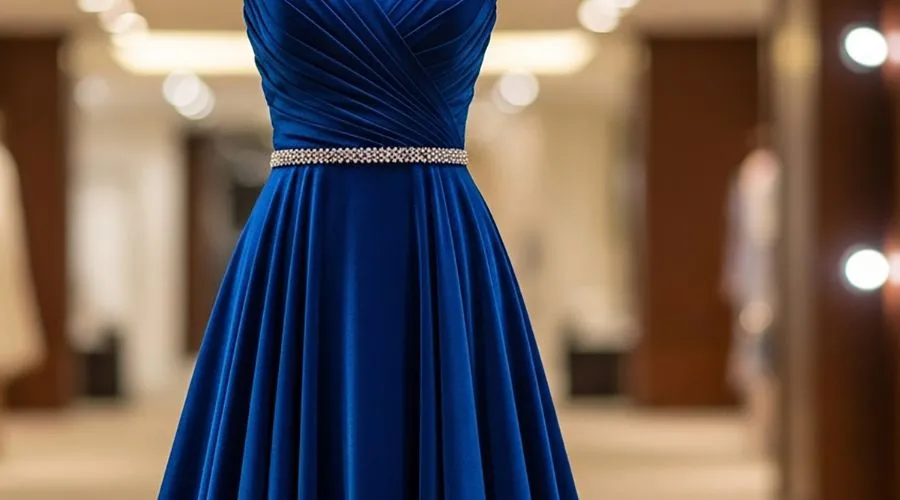
A good belt can fix an outfit before you change a single piece of clothing. The smartest belt styling ideas work because they create shape, break up flat layers, and tell the eye where to look first. That matters for everyday dressing in the USA, where one outfit may need to survive school drop-off, a grocery run, lunch, work, and dinner without feeling overdone. A belt is small, but it has real visual authority. It can make relaxed jeans feel intentional, give a sweater dress a waist, or turn a plain blazer into something sharper. The mistake is treating belts like afterthoughts. They are not. They are quiet structure. Style-conscious readers browsing modern fashion and lifestyle ideas already understand that the best outfits often come down to small choices with big results. A belt sits right in that category. It does not need to shout. It needs to land in the right place, with the right width, against the right fabric, for the shape you want.
Belt Styling Ideas That Create a Better Outfit Shape
Belts work best when they solve one clear problem. Maybe your dress hangs too straight. Maybe your jeans and sweater look like two separate thoughts. Maybe your blazer hides your body instead of framing it. A belt gives the outfit a center, and that center changes everything.
How Waist-Defining Belts Change the Whole Outfit
Waist-defining belts do more than make clothing tighter. They create a visual pause between the upper and lower body, which makes the outfit easier to read. A loose shirt with wide-leg trousers can look sloppy without that pause, even when both pieces are expensive.
A medium leather belt over a tucked button-down is a simple fix. The shirt gains shape, the trousers look cleaner, and your body looks more balanced. This works well for American office-casual dressing, where people often want polish without looking stiff.
The counterintuitive part is that a belt does not always need to sit on your smallest point. Sometimes it looks better slightly lower, especially with relaxed denim or a long knit top. The goal is not to chase the tiniest waist. The goal is to create the most natural line.
Why Belt Width Matters More Than Most People Think
Thin belts feel light and refined, while wide belts carry more visual weight. That sounds simple, but it changes how your outfit behaves. A narrow belt can disappear on heavy fabric. A wide belt can overpower a soft summer dress.
A wide belt works well over a sweater dress, long cardigan, or oversized shirt jacket. It gives heavier layers a frame. On the other hand, a slim belt fits better with silk skirts, tailored trousers, and cotton dresses that already have some shape.
The mistake many people make is buying one belt and expecting it to serve every outfit. It rarely does. Better outfit proportions often come from owning two or three belts with different widths, not from owning a drawer full of random options.
Choosing Belts That Work With Real Clothes
Good belt styling starts in the closet, not at the checkout page. The best belt for you depends on the clothes you already wear most. A belt that looks perfect online may sit unused if it fights your jeans, dresses, coats, or shoes.
Matching Belt Materials With Everyday Fabrics
Leather feels clean with denim, wool, cotton, and structured tailoring. Suede feels softer and works well with fall outfits, knitwear, and earth-tone layers. Woven belts make casual outfits feel relaxed, especially with linen, chinos, and summer dresses.
A black leather belt with straight jeans and ankle boots is a classic for a reason. It gives casual clothes a clear edge without making them formal. A tan belt, on the other hand, feels warmer and easier with cream denim, olive pants, or a floral midi dress.
Fashion belt tips often focus on color first, but texture deserves equal attention. Shiny patent leather can look sharp at night and strange with a daytime cotton dress. A matte finish usually blends better into daily outfits.
How Outfit Proportions Change With Color Contrast
High contrast belts draw attention fast. A black belt over a white dress creates a strong waistline. A brown belt over beige trousers creates a softer effect. Neither choice is wrong, but each sends the eye somewhere different.
If you want your waist to be the main feature, choose contrast. If you want a longer line, choose a belt close to your outfit color. This matters with petite styling, because a high-contrast belt can cut the body in half if the outfit is already busy.
A useful real-world example is the common jeans-and-tee outfit. A white tee, blue jeans, and black belt can look crisp when the belt connects with black loafers or sunglasses. Without that connection, the belt may look like a random stripe across the middle.
Making Belts Work Across Casual, Work, and Dressy Looks
The same belt can feel casual, sharp, or polished depending on where you place it and what surrounds it. That is why belts are so useful. They adapt. A belt that looks simple with jeans can look intentional over a blazer when the rest of the outfit supports it.
Casual Looks Need Shape Without Trying Too Hard
Casual outfits fall apart when they have no anchor. A T-shirt and jeans can look flat if everything hangs loose. Add a belt, tuck the front of the shirt, and the whole outfit gets a cleaner rhythm.
This is where outfit proportions become practical. A cropped jacket, mid-rise jeans, and a simple belt can make the body look balanced without any dramatic styling move. It feels casual, but not careless.
American weekend dressing often leans comfortable: sneakers, denim, soft tees, utility jackets. A belt keeps that comfort from looking unfinished. It says the outfit was chosen, not grabbed from a chair.
Work Outfits Benefit From Quiet Structure
Office outfits do not need loud belts. They need steady ones. A slim black, brown, or burgundy belt can make trousers look complete and keep a tucked blouse from floating visually.
A belt can also rescue oversized workwear. A boxy blazer over a column dress may look heavy until you belt the blazer at the waist. Suddenly, the shoulders feel intentional, the dress has shape, and the outfit looks styled instead of borrowed.
Waist-defining belts work especially well when office clothes feel too plain. A sheath dress, long vest, or wide-leg trouser outfit can gain personality from one smart belt. The trick is restraint. Let the belt shape the outfit, not dominate the room.
Avoiding Common Belt Mistakes That Flatten Your Look
A belt can improve shape, but it can also ruin it when the scale, placement, or color is off. Most belt mistakes are not huge. They are small choices that make the body look shorter, wider, or less balanced than it is.
When the Belt Sits in the Wrong Place
Placement changes the entire outfit. A belt placed too low on a dress can make the torso look long and the legs short. A belt placed too high on jeans can feel awkward if the rise does not support it.
The best test is movement. Sit, walk, raise your arms, and check whether the belt still looks natural. If it keeps sliding, bunching fabric, or fighting your clothes, the outfit is telling you something.
Fashion belt tips should never ignore comfort. A belt that creates shape but makes you adjust it all day is not a good style choice. Real style has to survive real movement.
Why Too Many Matching Pieces Can Look Forced
Matching your belt to your shoes can look polished, but strict matching is not always necessary. A brown belt, tan bag, and camel shoes may look warm and easy together, even if none of the shades are identical.
The forced look happens when every accessory tries too hard to match. Black belt, black bag, black shoes, black watch strap can feel flat if the outfit has no texture shift. Add suede, leather grain, metal, or woven detail, and the same color story feels richer.
Better outfit proportions are not only about the body. They are also about visual weight. A heavy belt buckle needs another strong element nearby, like boots, a structured bag, or a jacket. Otherwise, it can look stranded.
Conclusion
A belt is one of the easiest ways to make clothes look more intentional without buying a whole new wardrobe. It can sharpen jeans, shape dresses, calm oversized layers, and bring separate pieces into one clear outfit. The best belt styling ideas are not about copying every trend or owning every color. They are about noticing what your outfit lacks, then using one small piece to fix the line. Start with a belt width that fits your clothes, choose colors that support your shape, and pay attention to where the belt sits when you move. That alone will put you ahead of most rushed outfits. Style gets better when you stop treating accessories as decoration and start treating them as structure. Pick one outfit this week that feels almost right, add the right belt, and let the mirror show you how much shape was hiding there all along.
Frequently Asked Questions
How do I style a belt with jeans for a cleaner shape?
Choose a belt that matches the weight of your jeans. Straight or wide-leg denim usually works best with a medium-width leather belt. Tuck in your top or try a front tuck so the belt can define the waist instead of hiding under fabric.
What belt width is best for dresses?
Soft dresses usually look better with slim or medium belts, while sweater dresses and shirt dresses can handle wider styles. The thicker the fabric, the stronger the belt can be. Lightweight dresses often need a softer belt so the shape stays natural.
Should my belt match my shoes every time?
Matching helps when you want a polished look, but it is not required. Your belt only needs to feel connected to the outfit. Similar tones, repeated hardware, or matching texture can create harmony without making every accessory identical.
How can petite women wear belts without looking shorter?
Choose a belt close to your outfit color when you want a longer line. High contrast belts can cut the body visually, especially with dresses or high-waist pants. Slim and medium widths usually work better than heavy styles on petite frames.
Are wide belts still stylish for everyday outfits?
Wide belts still work when the outfit has enough structure to support them. They look strong over sweater dresses, long blazers, oversized shirts, and coats. They can feel heavy on thin fabrics, so balance them with simple layers and clean accessories.
What is the best belt color to buy first?
A black or medium brown leather belt is the safest first choice. Pick black if your wardrobe leans cool, polished, or city-inspired. Choose brown if you wear denim, cream, olive, tan, or softer casual colors most days.
How do I wear a belt over a blazer?
Use a belt that sits flat and does not pull the blazer awkwardly. Button the blazer if needed, then place the belt at the most natural waist point. Keep the buckle simple so the outfit looks shaped rather than costume-like.
Can belts make oversized clothes look better?
Belts can make oversized clothes look intentional by creating a clear center point. Try one over a loose dress, long cardigan, shirt jacket, or relaxed blazer. Leave some ease in the fabric so the outfit keeps its relaxed feel while gaining shape.