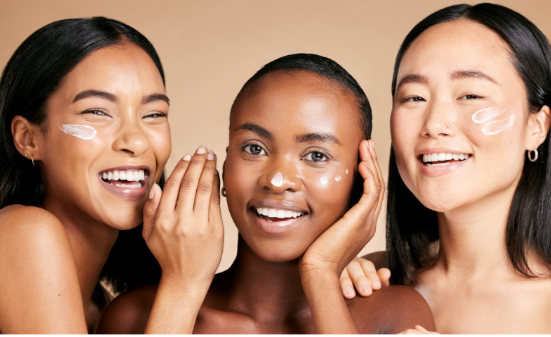
Uneven skin tone and hyperpigmentation represent among the most common skincare concerns across all demographics, yet they’re also among the most complex to address effectively. Unlike concerns that stem from a single straightforward cause, pigmentation irregularities can arise through multiple distinct pathways, each requiring different strategic approaches. Understanding these mechanisms provides essential foundation for realistic expectations and effective treatment selection.
Melanin Production: The Biology of Pigmentation
Skin color derives primarily from melanin, a pigment produced by specialized cells called melanocytes located in the basal layer of the epidermis. These cells synthesize melanin within organelles called melanosomes, which are then transferred to surrounding keratinocytes—the cells that eventually migrate upward to form the skin’s visible surface. The amount, type, and distribution of melanin determine an individual’s baseline skin color and their propensity toward various pigmentation concerns.
Two primary forms of melanin exist in human skin: eumelanin (brown-black pigment) and pheomelanin (red-yellow pigment). The ratio between these types, along with total melanin quantity, creates the spectrum of human skin tones. Melanin production isn’t uniformly distributed—certain areas naturally contain more melanocytes or more active melanocytes, creating normal variations in tone across different body regions.
Melanin serves a crucial protective function, absorbing UV radiation that would otherwise damage cellular DNA and generate harmful free radicals. When skin detects UV exposure, it responds by increasing melanin production and distribution—the familiar tanning response. This protective mechanism, while beneficial in moderation, becomes problematic when it functions irregularly or excessively, creating the uneven tone and persistent dark spots that characterize various hyperpigmentation conditions.
The complexity of melanin production involves numerous steps, each presenting potential intervention points. The process begins with tyrosine, an amino acid that’s converted through several enzymatic steps into melanin precursors and eventually into mature melanin. The rate-limiting enzyme, tyrosinase, serves as a key control point that many brightening ingredients target. However, melanin production is also influenced by inflammation, hormones, cellular injury, and numerous signaling molecules, explaining why simple tyrosinase inhibition often proves insufficient for comprehensive pigmentation management.
Types of Hyperpigmentation: Different Causes, Different Approaches
Post-inflammatory hyperpigmentation (PIH) develops as a response to skin injury or inflammation. Acne lesions, burns, cuts, aggressive treatments, or even harsh product reactions can trigger increased melanin production in affected areas. The inflammation activates melanocytes, causing them to overproduce pigment that deposits in surrounding tissue. PIH appears as dark spots that correspond to the location and pattern of previous inflammation, distinguishing it from other pigmentation types.
PIH disproportionately affects individuals with darker skin tones, where even minor inflammation can trigger significant pigment response. This reactivity makes aggressive treatments particularly risky in darker skin, as the treatments themselves may cause inflammation that worsens pigmentation rather than improving it. The marks gradually fade as pigmented cells naturally shed through the skin’s turnover cycle, but this process can take months or even years without intervention.
Melasma presents a more challenging pigmentation concern characterized by symmetrical patches, typically on the face. This condition involves multiple contributing factors including hormonal influences (pregnancy, birth control, hormone therapy), UV exposure, genetic predisposition, and possibly vascular components. The pigmentation in melasma often extends deeper into the dermis compared to PIH, making it more resistant to topical treatments and more prone to recurrence.
The hormonal component of melasma explains its higher prevalence in women, particularly during pregnancy (chloasma or “mask of pregnancy”) or while using hormonal contraceptives. However, melasma can also develop in men and in the absence of obvious hormonal triggers. Its tendency to worsen with sun exposure, even minimal amounts, makes comprehensive UV protection absolutely essential for management.
Solar lentigines (age spots or sun spots) result from cumulative UV damage over years or decades. These discrete, tan to brown spots typically appear on chronically sun-exposed areas like the face, hands, chest, and shoulders. Unlike freckles, which darken with sun exposure but fade in winter, solar lentigines remain relatively constant year-round. They represent localized areas where melanocytes have become overactive in response to chronic UV-induced DNA damage.
Factors That Trigger or Worsen Pigmentation
UV exposure stands as the most significant trigger and aggravator of nearly all hyperpigmentation types. Even brief, incidental sun exposure can stimulate melanin production, darken existing spots, and prevent fading of PIH or melasma. This explains why comprehensive sun protection forms the absolute foundation of any pigmentation treatment protocol—without it, other interventions fight an uphill battle against constant re-stimulation.
Inflammation from any source can trigger or worsen pigmentation, particularly in darker skin tones. This includes obvious inflammation from conditions like acne or eczema, but also subtle inflammation from harsh skincare products, excessive exfoliation, or treatments that irritate skin. The paradox of some anti-pigmentation treatments causing increased pigmentation stems from this inflammatory pathway—aggressive approaches that damage skin can trigger the very response they’re meant to prevent.
Hormonal fluctuations influence pigmentation through multiple mechanisms. Estrogen and progesterone affect melanocyte activity, explaining why pigmentation often worsens during pregnancy, with hormonal contraception, or during perimenopause. Thyroid dysfunction can also influence skin pigmentation. While these hormonal factors can’t always be controlled, understanding their role helps explain why pigmentation may fluctuate despite consistent skincare and why certain life stages present particular challenges.
Heat exposure, independent of UV radiation, can stimulate melanocytes and worsen certain pigmentation types, particularly melasma. This explains why pigmentation may darken after cooking over hot stoves, hot yoga classes, saunas, or even using handheld devices that generate heat. This lesser-known trigger often goes unaddressed in treatment protocols, allowing continued stimulation despite excellent UV protection and appropriate topical treatments.
Genetic factors determine baseline susceptibility to various pigmentation concerns. Some individuals develop significant pigmentation from minimal triggers while others maintain relatively even tone despite substantial UV exposure or inflammatory episodes. Ethnicity influences both baseline pigmentation and reactivity patterns, with darker skin tones generally showing higher melanocyte activity and greater tendency toward post-inflammatory responses.
Effective Treatment Strategies: Layered Approaches
Successfully addressing hyperpigmentation requires multi-faceted strategies that target different aspects of melanin production, transfer, and elimination while protecting against ongoing triggers. Single-ingredient approaches rarely achieve optimal results because pigmentation involves multiple pathways and regulatory mechanisms.
Tyrosinase inhibitors block the enzyme essential for melanin synthesis, reducing new pigment production. Ingredients in this category include hydroquinone (the most potent but requiring professional supervision), kojic acid, azelaic acid, arbutin, and various plant extracts. These ingredients work at different points in the melanin synthesis pathway with varying degrees of efficacy. Most require weeks to months of consistent use before visible improvements appear, as they affect only new pigment production while existing pigment gradually fades through natural cell turnover.
Exfoliating agents accelerate the removal of pigmented cells from the skin’s surface, helping fade existing discoloration more quickly than natural turnover allows. Alpha hydroxy acids (glycolic, lactic, mandelic acid) and beta hydroxy acids (salicylic acid) promote cell turnover at different depths and through different mechanisms. Retinoids also enhance cell turnover while providing additional benefits including improved skin texture and collagen stimulation. However, exfoliation must be carefully calibrated to avoid the inflammation that can worsen pigmentation, particularly in reactive skin types.
Antioxidants prevent the oxidative steps involved in melanin production while protecting against UV-induced free radical damage that triggers increased pigmentation. Vitamin C (in stabilized forms) provides dual benefits of inhibiting melanin synthesis and offering antioxidant protection. Vitamin E, ferulic acid, resveratrol, and green tea polyphenols similarly reduce oxidative stress while offering various degrees of direct anti-pigmentation activity. When you hydrate with Colostrum VG by Biologique Recherche, you’ll find not just hydration support but also bioactive components that address inflammation—a key factor in preventing post-inflammatory pigmentation.
Niacinamide (vitamin B3) interferes with melanosome transfer from melanocytes to keratinocytes, reducing the amount of pigment that actually reaches the visible skin layers. This unique mechanism complements tyrosinase inhibitors by targeting a different stage of the pigmentation process. Niacinamide also offers anti-inflammatory benefits, helping prevent the inflammatory triggers that can worsen pigmentation.
Professional Interventions: When to Advance Beyond Topicals
While topical products form the foundation of pigmentation management, certain stubborn concerns benefit from professional procedures that work through different mechanisms or penetrate more deeply than cosmetic products can achieve.
Chemical peels using various acid combinations remove pigmented cells more aggressively than daily exfoliants, potentially accelerating improvement in appropriate cases. However, peels carry significant risks in darker skin tones or with certain pigmentation types, as the inflammation and injury they create can trigger new or worsened pigmentation. Professional expertise in selecting appropriate peel types, concentrations, and protocols becomes crucial for safe, effective outcomes.
Laser and light-based treatments target melanin through selective photothermolysis—heating pigment while sparing surrounding tissue. These technologies can effectively address solar lentigines and some cases of melasma, but they also carry risks of causing paradoxical darkening, particularly with inappropriate laser types, excessive energy levels, or treatment of inappropriate candidates. Newer laser technologies with picosecond pulse durations show promise for safer treatment of pigmentation in darker skin tones, though expertise remains essential.
Microneedling creates controlled micro-injuries that enhance penetration of topical brightening agents while triggering regenerative processes. When combined with appropriate serums, microneedling can improve pigmentation more effectively than either modality alone. The controlled injury must be carefully managed to avoid triggering the inflammatory pigmentation the treatment aims to address.
Comprehensive professional protocols integrate multiple approaches for synergistic benefits. Professional facilities offer access to professional-grade treatments and products that combine various mechanisms, recognizing that stubborn pigmentation rarely responds adequately to single-ingredient approaches.
The Critical Role of Protection
Even the most sophisticated treatment protocols will fail without rigorous ongoing protection against triggers. This protection must be multi-layered and consistent to provide adequate defense against the various factors that stimulate pigmentation.
Broad-spectrum sunscreen with both UVA and UVB protection must be applied daily, regardless of weather, season, or planned outdoor exposure. The amount matters as much as the formula—most people apply far less than the amount used in sunscreen testing, resulting in significantly reduced protection. Reapplication every two hours during extended UV exposure remains essential for maintaining protection.
Physical protection through sun-protective clothing, wide-brimmed hats, and UV-blocking sunglasses provides crucial supplementary defense, particularly during peak UV hours. Seeking shade when possible and planning outdoor activities for early morning or late afternoon reduces overall UV exposure. These behavioral modifications complement but never replace sunscreen, as UV radiation reflects off surfaces and penetrates shade.
Visible light protection has emerged as an important consideration, particularly for melasma and in darker skin tones. Blue light from screens and LED lighting, as well as visible light from the sun, can stimulate pigmentation in susceptible individuals. Sunscreens containing iron oxides provide visible light protection, offering additional defense beyond UV filtration alone.
Heat protection involves awareness of thermal triggers and modifications to reduce exposure. This might mean adjusting cooking methods, choosing cooler exercise options during treatment phases, and being mindful of hot water exposure during cleansing. While less emphasized than UV protection, heat awareness can make meaningful differences in treatment outcomes for heat-sensitive pigmentation like melasma.
Patience and Persistence: Managing Expectations
Perhaps the most challenging aspect of addressing pigmentation concerns involves maintaining realistic expectations about treatment timelines and achievable outcomes. Unlike some skincare concerns where rapid improvement occurs, pigmentation requires extended, consistent intervention with gradual results.
Visible improvement typically requires 8-12 weeks minimum, with optimal results often taking 6-12 months of consistent treatment. This extended timeline reflects the time required for pigmented cells to gradually shed through natural turnover cycles, even when new pigment production has been suppressed. The temptation to abandon effective protocols due to seemingly slow progress leads many individuals to cycle through numerous treatments without giving any sufficient time to work.
Complete clearance of pigmentation isn’t always achievable, particularly for melasma or pigmentation extending into the dermis. The goal often becomes significant improvement and maintenance of that improvement rather than perfect evenness. Deep dermal pigmentation lies beyond the reach of topical treatments and may require professional procedures for meaningful improvement, if achievable at all.
Recurrence represents an ongoing challenge, particularly for hormonally-influenced pigmentation or in individuals with high genetic susceptibility. Even successfully treated pigmentation can return with renewed UV exposure, hormonal changes, or inflammatory episodes. This reality necessitates ongoing maintenance protocols rather than viewing pigmentation treatment as a finite project with an endpoint.
The journey toward more even tone requires commitment to multi-faceted approaches, protection from known triggers, patience with gradual improvement, and realistic understanding of what’s achievable within biological constraints. Success comes not from seeking miracle cures but from consistent application of scientifically-supported approaches adapted to individual pigmentation types and skin characteristics.