
A dusty dashboard makes the whole car feel older than it is. Even when the seats are clean and the floor mats look fine, car dashboard cleaning tips matter because that front surface is what you see every time you drive. In many American cities, from Phoenix to Dallas to Los Angeles, heat, pollen, drive-thru spills, and daily commuting can turn a clean cabin dull in a week.
A fresh interior is not about making your car look showroom-perfect every Saturday. It is about keeping the space you touch every day from feeling sticky, faded, or neglected. The right routine also protects buttons, screens, vents, and soft-touch surfaces that cost more to repair than most drivers expect.
For drivers who care about smart upkeep, trusted automotive guidance from resources like daily car care advice can help turn small habits into long-term value. A clean dashboard does more than look good. It makes your car feel calmer, safer, and easier to live with.
Car Dashboard Cleaning Tips That Start With the Right Materials
Good cleaning begins before the first wipe. Many drivers damage their dashboards because they grab whatever is under the kitchen sink and hope for the best. That shortcut can leave streaks, strip protective coatings, or push grime deeper into textured plastic.
The better move is simple: choose products that match the surface. A modern dashboard may include vinyl, rubberized trim, leather-like panels, touchscreens, piano-black plastic, chrome accents, and fabric seams. Treating all of that like one flat surface is where the trouble starts.
Why harsh cleaners ruin interior surfaces
Strong household cleaners can make a dashboard look clean for one afternoon, then worse by the end of the week. Ammonia-based sprays, bleach blends, and heavy degreasers can dry out vinyl and leave cloudy patches on screens or glossy trim. The damage does not always show at once, which makes it easy to blame age instead of the cleaner.
A family SUV parked outside a Florida grocery store is a good example. The cabin gets heat, humidity, sunscreen residue, and food crumbs almost every day. If the dashboard is wiped with a harsh all-purpose spray every weekend, the surface may slowly lose its soft finish and start looking chalky.
Use a mild interior cleaner made for cars, not countertops. Pair it with microfiber towels because they lift dust without grinding it into the surface. Cotton rags can work in a pinch, but old towels often carry detergent buildup that leaves film behind.
The counterintuitive part is that weaker products often clean better inside a car. They leave the material alive. That matters more than making the surface shine for ten minutes.
Building a small dashboard cleaning kit
A smart kit does not need to fill a garage shelf. You need microfiber towels, a soft detailing brush, a safe interior cleaner, cotton swabs, compressed air or a small blower, and a screen-safe cloth. Keep them in a small bin so the job feels easy enough to do.
Many drivers skip the brush, then wonder why dust keeps returning around vents and buttons. A towel cannot reach those tight seams. A soft brush loosens the grime first, so the towel can finish the job instead of smearing dirt around.
For American commuters, this small kit pays off fast. Coffee splashes near cup holders, road dust comes through vents, and pollen settles on every flat surface during spring. A five-minute wipe during a gas stop can prevent the sticky buildup that later needs a deep clean.
Do not buy the shiniest spray on the shelf because the label promises a “new car look.” Gloss can create glare on sunny highways, especially during morning and evening drives. A clean matte finish is safer and looks better in real daylight.
Cleaning Techniques That Protect Screens, Vents, and Buttons
Once you have the right tools, technique decides the result. The dashboard is not a kitchen table. It has raised edges, delicate screens, climate controls, seams, sensors, and vents that collect dust in places your hand cannot reach.
This is where patience beats pressure. Scrubbing harder rarely helps. It can loosen trim, scratch glossy panels, or push moisture into electrical areas. Clean in layers instead, moving from dry dust removal to light damp wiping.
How to clean touchscreens without streaks
Touchscreens attract fingerprints because drivers use them constantly for maps, calls, music, and climate settings. A greasy screen can make even a newer car feel messy. Worse, wiping it with a rough towel can leave tiny scratches that catch sunlight.
Turn the screen off before cleaning. A dark screen shows smudges better, and it also reduces the chance of accidental taps. Use a dry microfiber screen cloth first, then lightly dampen a corner with water or a screen-safe cleaner if fingerprints remain.
Never spray liquid straight onto the display. Spray the cloth instead. This keeps moisture from running into the screen edges or nearby buttons, where it can cause problems you will not notice until later.
A rideshare driver in Chicago may touch the screen dozens of times a day while switching routes and music. For that kind of use, a dry daily wipe makes more sense than a wet weekly scrub. Less product, less risk, better finish.
Cleaning air vents without pushing dust deeper
Air vents are small dust traps. They catch pollen, pet hair, lint, and road grit, then blow some of it back into the cabin when the fan turns on. Many drivers wipe only the vent face, which leaves the dirt sitting inside.
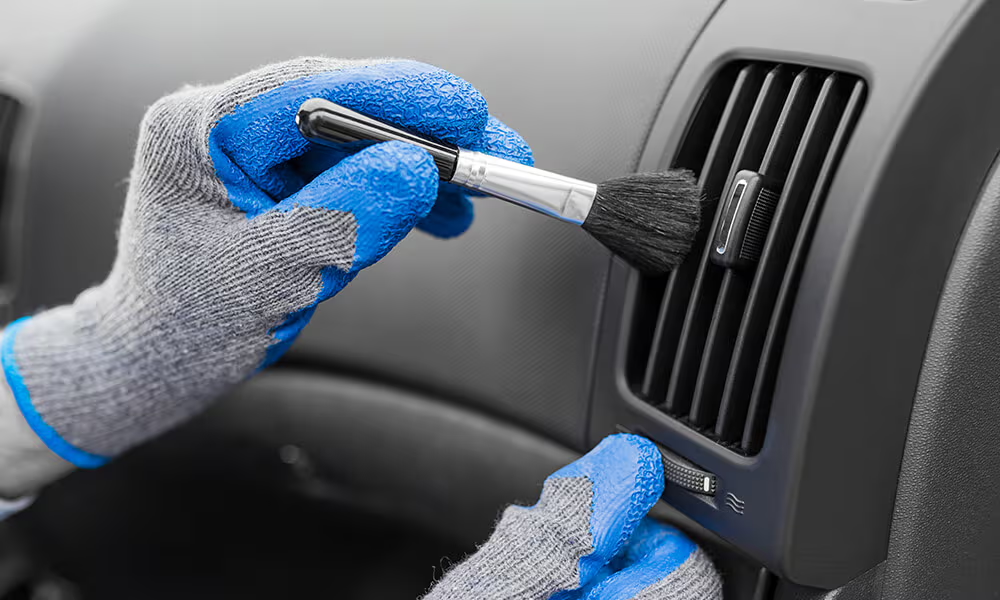
Start with a soft brush while the fan is off. Work across each vent blade gently, then use a small blower or compressed air in short bursts. Hold a microfiber towel near the vent to catch loose dust instead of letting it fly across the cabin.
Do not blast air into the vents for long stretches. That can push debris deeper into the system. Short controlled bursts do the job without turning the dashboard into a dust storm.
Drivers in places like Atlanta or Kansas City know how fast pollen season can coat a car interior. Cleaning vents during that season is not cosmetic. It helps keep the cabin feeling cleaner each time the air kicks on.
Daily Habits That Keep the Dashboard Fresh Longer
A deep clean feels good, but habits keep the dashboard from falling back into the same mess. Most dashboard grime comes from normal life, not neglect. Hands touch controls, bags brush against trim, drinks splash, pets shake, and sunlight bakes everything into place.
The goal is to stop dirt before it bonds with the surface. That does not require perfection. It takes a few small moves that fit into regular driving.
How sunlight changes dashboard care
Sunlight is one of the quietest enemies inside a car. It fades surfaces, dries materials, and makes dust stick faster. A dashboard that sits under summer sun in Arizona or Nevada faces more stress in one month than a garage-kept car may face in a season.
A windshield sunshade looks old-school, but it works. It lowers cabin heat, protects the dashboard, and makes the steering wheel easier to touch when you return. Parking in shade helps too, though shade can be hard to find in crowded lots.
The unexpected lesson is that cleaning and protection are tied together. A clean surface reflects less uneven grime, while a protected surface resists the drying effect that makes old dashboards crack or fade.
Avoid oily dressings that promise a deep shine. They can attract dust and create glare across the windshield. A low-sheen protectant designed for interiors is a better choice because it protects without making the cabin look greasy.
Stopping food, dust, and fingerprints early
Most dashboard mess starts with small habits that feel harmless. A fast-food bag rests against the glove box. A passenger puts lotion on and changes the radio. A child touches the screen after eating fries. None of it looks like a problem until the residue turns into a sticky film.
Keep a clean microfiber towel in the door pocket or center console. That one habit changes everything. When you see dust or a fresh fingerprint, you can handle it before it becomes a weekend job.
For parents, a no-food-on-the-dashboard rule sounds silly until melted candy or soda spray reaches the vents. For commuters, keeping receipts and napkins off the dashboard prevents paper dust and ink marks from building up near the windshield.
The best car interiors are not cleaned harder. They are cleaned sooner. That small difference is why one five-year-old sedan feels cared for while another feels tired before its time.
Finishing Details That Make the Interior Feel New
A clean dashboard can still look unfinished if the small details are ignored. The edges around the instrument cluster, the seam near the windshield, the corners beside the A-pillars, and the area around the steering column all collect grime quietly.
These details matter because your eyes catch them even when you do not think about them. A dashboard may be 95 percent clean, but one dusty vent or smeared screen can make the whole cabin feel off. Finishing well is what separates a quick wipe from a clean interior.
Cleaning the windshield edge and tight seams
The narrow space where the dashboard meets the windshield is one of the hardest areas to reach. It also collects a surprising amount of dust. When sunlight hits that dust, it reflects onto the glass and can make the windshield look hazy from inside.
Use a thin microfiber wand or wrap a microfiber cloth around a plastic trim tool. Move slowly along the base of the windshield without forcing pressure into the gap. This area rewards patience because one clean pass can change how clear the front view feels.
A driver in Denver dealing with dry air and road dust may notice this haze more than someone in a rainy coastal city. Dry dust floats, settles, and shows up in sunlight. Cleaning the windshield edge makes the cabin feel sharper, not only cleaner.
Use car dashboard cleaning tips like this when the obvious surfaces already look fine. The hidden edges are where a car’s age often shows first.
Choosing the right final finish
The final finish should make the dashboard look clean, not dressed up. Many people mistake shine for care, but a glossy dashboard can reflect into the windshield and distract you while driving. That is not a good trade.
Use a matte or satin interior protectant if the material allows it. Apply it to a cloth first, not directly onto the dashboard. Wipe evenly, then buff with a dry microfiber towel so no wet patches remain around buttons or seams.
A clean finish should feel smooth to the touch and calm to the eye. It should not leave your fingers greasy after adjusting the vents. It should not make dust cling by the next morning.
This is where restraint wins. A dashboard that looks natural feels more expensive than one coated in shine. Real care does not shout from the driver’s seat.
Conclusion
Your dashboard tells the truth about how your car is treated. It faces sun, dust, fingerprints, heat, spilled drinks, and constant touch, yet most drivers only notice it when the cabin starts feeling stale. That is backwards.
A better routine starts small. Keep the right cloth nearby, clean screens gently, brush vents before they clog with dust, and protect the surface from harsh sunlight. These habits do not demand a full Saturday or a shelf full of products. They ask for consistency, which is where most car care wins or fails.
The smartest car dashboard cleaning tips are not about chasing a fake showroom shine. They are about preserving the place you see, touch, and rely on every time you drive. Start with one careful clean this week, then keep the habit alive before dust gets comfortable again.
Treat the dashboard well, and the whole car feels better the moment you open the door.
Frequently Asked Questions
How often should I clean my car dashboard?
Clean light dust once a week and do a more detailed wipe every two to four weeks. Cars parked outside, used for commuting, or driven with kids and pets may need attention more often because heat and residue build up faster.
What is the safest cleaner for a car dashboard?
A mild interior cleaner made for automotive surfaces is the safest choice. Use it with a microfiber towel and avoid ammonia, bleach, heavy degreasers, or kitchen sprays because they can dry, cloud, or stain dashboard materials.
Can I use water to clean my dashboard?
Water works well for light dust and fresh fingerprints when used with a microfiber cloth. Do not soak the cloth, and never let water drip near screens, buttons, seams, or vents because moisture can reach sensitive parts.
How do I remove sticky residue from a dashboard?
Use a small amount of automotive interior cleaner on a microfiber towel and hold it over the sticky spot for a few seconds. Wipe gently instead of scrubbing. Repeat as needed, then dry the area with a clean towel.
How can I clean dashboard air vents at home?
Use a soft detailing brush to loosen dust from the vent blades. Then use short bursts of air while holding a towel nearby to catch debris. Avoid spraying cleaner into vents because liquid can travel where it should not go.
Should a car dashboard be shiny after cleaning?
A dashboard should look clean and natural, not glossy. Heavy shine can create windshield glare and attract dust. A matte or satin finish is safer for driving and usually gives the interior a more refined look.
How do I protect my dashboard from sun damage?
Use a windshield sunshade, park in shade when possible, and apply a low-sheen interior protectant approved for your dashboard material. Regular dust removal also helps because dirt can bake into the surface under strong sunlight.
Can dashboard cleaning improve the car’s resale value?
A clean dashboard helps the whole interior look cared for, which can support buyer confidence. It will not fix mechanical issues, but it can make a strong first impression during photos, test drives, and trade-in inspections.