
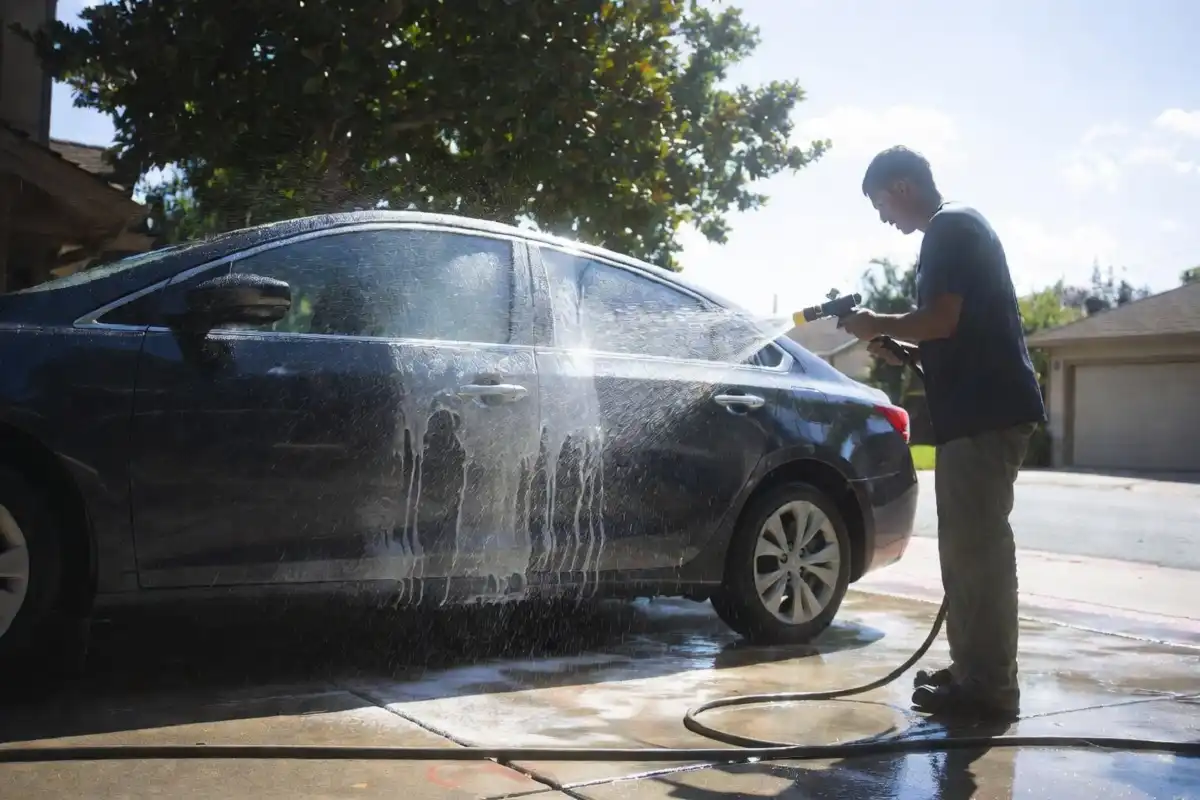
A dirty car has a way of making every errand feel messier than it is. Between work, school runs, grocery stops, long commutes, and weekend plans, most people do not have a free Saturday to scrub every cup holder with a tiny brush. That is why Vehicle Cleaning Hacks matter for drivers who want a clean ride without turning car care into a second job. The smartest approach is not to clean harder. It is to remove the small sources of grime before they spread, use the right tools in the right order, and build a routine that fits real American schedules. A parent in Ohio, a rideshare driver in Dallas, and a commuter in New Jersey all face different messes, but the same truth applies: clutter grows when cleaning feels too big to start. For practical lifestyle and auto upkeep ideas, resources like everyday vehicle care tips can help owners think beyond one-time deep cleans. The goal is simple. Your car should feel ready before life gets busy again.
Build a Cleaning System That Starts Before the Mess Wins
Most car messes do not happen all at once. They build from tiny choices: a drive-thru receipt left in the door pocket, a gym hoodie tossed in the back seat, a half-empty water bottle rolling under the passenger seat. A cleaner car starts with a system that catches those small problems before they become a weekend project.
Keep a Two-Minute Reset Habit After Regular Drives
A clean car often comes down to the final two minutes after you park. Before you walk inside, grab trash, remove anything that belongs in the house, and check the floor for wrappers or loose items. This short reset saves you from the ugly pileup that usually happens by Friday.
The trick is to make the habit too small to resist. A driver in Phoenix who commutes 40 minutes each way does not need a full car cleaning routine every night. They need one tiny rule: never leave the car empty-handed if trash or clutter is visible.
Small exits create clean interiors. Not glamorous. Useful.
A door-pocket trash bag helps, but it should never become a second garbage can. Use it for the day, then empty it when you fuel up or get home. That one boundary keeps convenience from becoming clutter storage.
Place Cleaning Tools Where the Mess Actually Happens
Most owners keep cleaning supplies in the garage, which sounds logical until a spill happens in a parking lot. A better setup keeps a few basic tools inside the vehicle: microfiber towels, a small pack of wipes, a soft brush, and a compact trash bag roll. The supplies should live where the mess starts.
This matters most for families and commuters. A coffee splash on a console is easy to wipe when it is fresh. Wait two days, and the same spot turns sticky, dusty, and harder to remove. Time changes the job.
A simple kit in the trunk works well for drivers who hate clutter in the cabin. Put the items in a zip pouch or small bin so they do not slide around. That keeps the car ready without making it feel like a mobile supply closet.
Smart Interior Care for Busy Drivers
The inside of your car takes the hardest beating because it carries your daily life. Shoes drag in grit, snacks crumble into seams, and hands touch the same buttons again and again. Good interior car care is not about perfection. It is about protecting the surfaces you use most.
Clean High-Touch Areas Before They Look Dirty
Steering wheels, gear selectors, touchscreens, door handles, and seat belt buckles collect oil faster than most owners notice. By the time they look dull or sticky, they have already held weeks of grime. A fast wipe-down once or twice a week keeps the cabin feeling fresher with almost no effort.
Use a soft microfiber towel for screens and glossy surfaces. Strong cleaners can damage coatings, especially on newer infotainment displays found in many U.S. vehicles. Mild interior-safe products are enough for most touch points.
Interior car care works best when it follows use, not appearance. Clean the places your hands touch because they get dirty first, even when the rest of the cabin looks fine.
A rideshare driver in Atlanta may wipe these areas at the end of each shift. A remote worker who drives less may only need to do it every few days. The schedule should match the car’s actual use, not someone else’s checklist.
Use Seat and Floor Protection Without Making the Car Feel Cheap
Seat covers and floor liners can save owners money, but only when chosen carefully. Cheap covers slide, bunch, and make a decent interior feel neglected. Good protection fits tightly, cleans easily, and does not fight the design of the cabin.
All-weather floor mats are worth it in snowy states, rainy regions, and dusty areas. Salt in Chicago, mud in rural Tennessee, and sand near Florida beaches all attack carpet in different ways. A removable liner catches the damage before it settles deep.
Quick auto detailing becomes much easier when the mess stays on surfaces made to be cleaned. Shake out mats, wipe them down, and return them once dry. That beats scrubbing carpet fibers after every wet week.
Pet owners should also keep a washable back-seat cover on hand. It does not need to stay installed forever. Use it for park trips, vet visits, and long drives, then remove it when the car needs to feel normal again.
Make Exterior Cleaning Faster Without Cutting Corners
A clean exterior does more than improve curb appeal. Dirt, bug splatter, bird droppings, road salt, and brake dust can damage finishes when ignored. The mistake many owners make is waiting until the whole car looks bad. Exterior care gets easier when you handle the worst spots first.
Rinse Problem Areas Before They Bake In
Bird droppings, bug marks, and tree sap deserve fast attention because heat makes them more stubborn. In summer, a mark on the hood can harden in hours under direct sun. A quick rinse or gentle spot clean protects the paint before the job gets annoying.
Drivers in warmer states should keep a small bottle of waterless wash or detail spray in the garage. Use it with a clean microfiber towel, never an old rag. Dirt trapped in rough fabric can scratch paint, which creates a bigger problem than the original stain.
Exterior car wash habits should change with the season. In winter, road salt needs frequent rinsing, especially around wheel wells and lower panels. In spring, pollen may look harmless, but it turns into a sticky film once mixed with rain.
A weekly full wash is not always realistic. A targeted rinse after messy drives often matters more than waiting for a perfect wash day that never comes.
Treat Wheels as Their Own Cleaning Job
Wheels collect some of the nastiest grime on the vehicle. Brake dust, tar, mud, and road film all settle there, and they do not clean the same way as painted panels. Treating wheels as a separate job makes the whole car look cleaner with less effort.
Start with the wheels when washing at home. That keeps dirty runoff from splashing onto freshly cleaned panels. Use a wheel-safe cleaner and a brush that reaches between spokes without scratching the finish.
This is one of the best quick auto detailing moves because clean wheels change the look of the car fast. Even an older sedan in a grocery store parking lot looks better when the wheels are not coated in gray dust.
Owners with tight schedules can clean wheels every other wash if the rest of the vehicle stays decent. The key is not ignoring them for months. Once brake dust settles deeply, the job becomes harder and less satisfying.
Vehicle Cleaning Hacks That Save Time Every Week
A faster routine is not about skipping care. It is about removing wasted motion. When owners clean in the wrong order, use too many products, or wait until the car feels embarrassing, they turn a simple task into a draining chore.
Follow the Same Order Every Time
A repeatable order keeps you from wandering around the car doing random jobs. Start by removing trash, then clear personal items, dust the dashboard, wipe high-touch areas, shake out mats, vacuum, and finish with glass. The same sequence builds speed.
Glass should come near the end because dust and spray can land there while you clean other areas. Many owners clean windows first, then wonder why streaks keep showing up. Order matters more than effort.
Car cleaning routine habits should feel automatic. A driver in Los Angeles who parks on the street may focus on dust and glass. A parent in Pennsylvania may start with crumbs and back-seat clutter. The framework stays the same, but the priority shifts.
One unexpected truth: the best routine is not always the most complete one. It is the one you will repeat when you are tired.
Use Fewer Products, But Use Them Better
Too many cleaners slow people down. One interior-safe cleaner, one glass cleaner, one tire or wheel product, and a stack of microfiber towels can handle most weekly needs. Specialty products have their place, but they should not crowd out the basics.
Label towels by use if you can. Keep one group for glass, one for interior surfaces, and one for dirtier exterior spots. Mixing them creates streaks, scratches, and frustration. A towel used on wheels should never touch a touchscreen.
A focused car cleaning routine also saves money. You stop buying random bottles that promise showroom results but sit unused after one try. Simple tools used often beat fancy tools used twice a year.
Busy owners need cleaning to feel light enough to begin. Once the setup is simple, the mental resistance drops. That is when the car starts staying clean between deep washes.
Conclusion
A clean vehicle is not the result of one heroic weekend. It comes from small decisions that remove friction before mess takes over. Owners who win at car care do not wait for perfect weather, a free afternoon, or a garage full of products. They keep basic tools nearby, handle the worst mess first, and repeat a simple order that fits their lives.
That is the real value of Vehicle Cleaning Hacks: they turn car care from a dreaded chore into a set of small moves you can actually keep. A few minutes after a commute, a fast wipe of high-touch areas, and a focused exterior rinse can protect both your time and your vehicle’s condition.
Start with one habit this week. Put a microfiber towel and trash bags in the car, clear the cabin after every drive, and give your vehicle the kind of care that does not wait for life to slow down.
Frequently Asked Questions
What are the easiest car cleaning tips for busy owners?
Start with trash removal, high-touch wipe-downs, and quick floor mat cleaning. These three tasks improve the cabin fast and prevent bigger messes. Keep microfiber towels, wipes, and small trash bags in the car so you can clean before clutter spreads.
How often should I clean my vehicle interior?
Most drivers should do a light interior clean once a week. High-use vehicles, family cars, and rideshare cars may need quick touch-ups every few days. Focus on steering wheels, screens, cup holders, mats, and door pockets before deep cleaning seats or carpets.
What is the fastest way to keep a car smelling fresh?
Remove trash daily, dry wet mats, and avoid leaving food wrappers inside overnight. Odor usually comes from hidden moisture or forgotten mess, not the air itself. A clean cabin beats air fresheners because it removes the source instead of covering it.
Are waterless car wash products safe for paint?
Waterless wash products can be safe when used on light dust or fresh spots with clean microfiber towels. They are not ideal for heavy mud, thick grime, or sandy surfaces. Rinse first when dirt could scratch the paint during wiping.
How can I clean car cup holders quickly?
Remove loose debris first, then wipe with an interior-safe cleaner on a microfiber towel. For sticky rings, wrap the towel around your fingers and press into the edges. Silicone cup holder inserts make future cleaning easier because you can lift and rinse them.
What should I keep in a small car cleaning kit?
A practical kit includes microfiber towels, interior wipes, glass cleaner, small trash bags, a soft brush, and a compact vacuum if space allows. Keep everything in a pouch or bin so the supplies stay organized instead of becoming more clutter.
How do I protect my car from kids’ snack messes?
Use washable seat covers, all-weather mats, and a small trash bag within reach. Choose snacks that create fewer crumbs during longer drives. After school runs or weekend trips, do a fast back-seat check before crumbs settle into seat seams.
Can a clean car help resale value?
A clean car can support resale value because buyers notice care signals fast. Stained carpets, sticky controls, and neglected wheels make a vehicle feel older than it is. Regular cleaning protects surfaces and helps the car make a stronger first impression.