
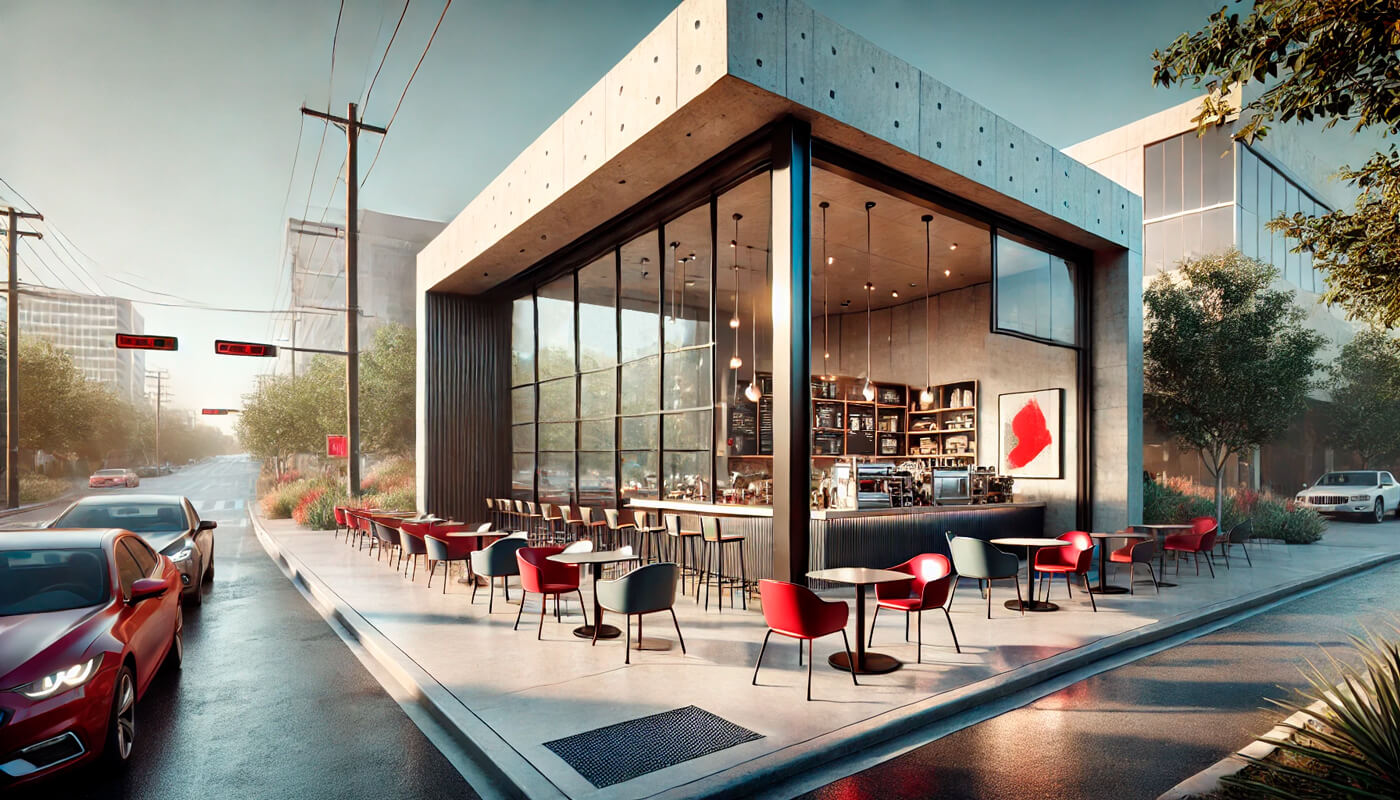
A good coffee shop can change the pace of a whole neighborhood before lunch. Across Austin, that is why Austin coffee shops keep showing up in daily conversations, local writeups, weekend plans, and small business chatter that feels bigger than a cup of coffee. People are not only hunting for caffeine anymore. They are choosing places that fit their routines, their budgets, their remote work habits, and the mood of the block around them. For readers who follow local business stories through community news coverage, coffee has become one of the easiest ways to read a city’s personality without staring at a planning report. Austin’s coffee habits say plenty about how people gather, work, wait, talk, and spend. The shops that rise in attention often do more than serve strong espresso. They give people a reason to stay for one more conversation. That is where the story gets interesting.
Why Austin Café Culture Keeps Getting Local Attention
Austin does not treat coffee like a background errand. The city turns it into a social signal, a work habit, a neighborhood marker, and sometimes a small act of loyalty. That is why Austin café culture feels tied to more than taste. A shop can become known because the barista remembers names, the patio catches the right morning light, or the regulars make the place feel claimed without feeling closed off.
Local Coffee Scene Energy Comes From Daily Rituals
The local coffee scene grows strongest when it fits into ordinary life. People stop before work, after school drop-off, between meetings, or during a slow Sunday walk. Those repeated moments matter because a city’s favorite places are rarely chosen through grand decisions. They are chosen through habit.
A shop near South Congress may pull in visitors, but its real strength often comes from locals who know when the line moves fast and which table stays quiet. A café near a campus may depend on students in the afternoon, then shift toward neighbors after dinner. That rhythm gives each place a pulse that chains cannot fake.
The unexpected part is that the best-known shops are not always the fanciest. Sometimes the spot with the simple menu wins because people trust it. Austin café culture rewards places that understand timing, mood, and comfort better than decoration alone.
Coffee Shop Reviews Shape Weekend Choices
Coffee shop reviews have become a kind of local map. People scan them before meeting a friend, choosing a laptop spot, or deciding whether a new place feels worth the drive across town. A review rarely works alone, though. The pattern matters more than one loud opinion.
A shop with steady praise for friendly staff, clean tables, and fair parking can build stronger trust than a place with one viral drink and uneven service. Readers know the difference. They look for clues that match real life, not polished captions.
This is where small details win. Someone mentions that the music was low enough for a call. Another says the breakfast taco did not taste like an afterthought. Those lines sound small, but they guide decisions because they answer the questions people actually have before leaving home.
How Neighborhood Identity Pushes Certain Coffee Shops Forward
The city’s coffee story changes from block to block. A shop in East Austin may carry a creative, late-morning feel, while one in North Austin may serve commuters who want speed, parking, and consistency. Neither model is better. Each one reflects the neighborhood around it, and that is why Texas coffee spots can feel so different even within the same metro area.
Texas Coffee Spots Win When They Fit the Block
Texas coffee spots succeed when they respect the pace of their surroundings. A café near offices needs reliable service during the morning rush. A shop near homes needs weekend warmth. A location near nightlife may do better with later hours, dessert drinks, and a little more room for lingering.
Austin makes this sharper because neighborhoods carry strong identities. People do not want every corner to feel copied and pasted. They want a place that feels aware of where it stands. That can show through local art, a shaded patio, a walk-up window, or a menu that knows breakfast tacos belong in the conversation.
The counterintuitive truth is that broad appeal can weaken a shop. Trying to please everyone may strip away the reason people cared at first. The coffee places that gain loyal attention often pick a clear lane and stay honest inside it.
Austin Café Culture Rewards Places With a Real Point of View
Austin café culture has room for many styles, but it does not reward blandness for long. A quiet reading room, a buzzy espresso bar, a dog-friendly patio, and a neighborhood bakery café can all work. What fails is confusion.
People can feel when a shop knows what it is. The seating matches the crowd. The menu supports the pace. The staff can explain the drinks without turning the counter into a lecture. That confidence makes the experience easier for customers because they know what kind of visit they are choosing.
A real-world example is the difference between a grab-and-go counter and a laptop-friendly café. Both can serve excellent coffee. Trouble starts when a tiny shop tries to become an all-day office without the space, outlets, or noise control to support it. Clear identity protects both the business and the customer.
Austin Coffee Shops and the Rise of Work-Friendly Third Places
Remote and hybrid work changed what people expect from a coffee shop. A good drink still matters, but so does Wi-Fi, seating, noise, lighting, and the unspoken rule of how long someone can stay without feeling awkward. Austin Coffee Shops have become third places for workers who need public energy without office pressure.
Coffee Shop Reviews Now Measure Comfort, Not Only Flavor
Coffee shop reviews used to focus on drinks, service, and maybe pastries. Now they often read like workspace reports. People mention outlets, table height, crowd noise, parking, shade, restroom access, and whether the staff seems comfortable with laptop users.
That shift says a lot about modern city life. People want places that help them work without making them feel trapped. A bright café with two hours of productive energy can beat a home office that feels stale by noon.
Still, shops face a fair tension. A table held for four hours by one small coffee order can hurt a business during peak times. The better places solve this with clear layout choices: communal tables for laptop users, smaller seats for quick stops, and patios that absorb overflow without turning service chaotic.
The Local Coffee Scene Depends on Balanced Hospitality
The local coffee scene gets stronger when shops set boundaries without killing warmth. Customers need to understand the space. Owners need enough table turnover to pay staff, rent, and suppliers. The sweet spot sits between welcome and realism.
Some cafés handle this through subtle cues. Limited outlets near certain tables. Signs about busy hours. A menu that encourages second purchases without shaming anyone. These choices work because they guide behavior before conflict starts.
The unexpected insight is that comfort is not the same as unlimited access. A coffee shop can be generous and still protect its business model. In fact, the places that last usually do. They make customers feel cared for while keeping the room healthy enough to survive another lease cycle.
What Makes a Coffee Shop Trend Beyond One Viral Moment
A single post can fill a room for a week. It cannot build trust by itself. The shops that stay in local conversation usually combine strong operations with a reason people want to talk about them. That reason may be design, service, food, location, or a drink that feels tied to the city’s taste.
Texas Coffee Spots Need More Than Pretty Interiors
Texas coffee spots often get first attention through visuals. A tiled bar, a bright mural, a courtyard, or a signature cup can travel fast online. That helps, but a beautiful room loses power if the coffee tastes flat or the service feels tense.
People forgive small flaws when a place feels human. They are less forgiving when the experience feels staged. Austin customers, especially locals, can spot when a shop was built for photos before it was built for mornings.
A grounded example is the pastry case. If it looks good but sells out too early every weekend, people notice. If the cold brew tastes different every visit, people notice. Trending attention brings guests through the door, but consistency decides whether they return when the hype fades.
Coffee Shop Reviews Reveal Trust Over Time
Coffee shop reviews become more useful when they show patterns over months, not days. A new opening may attract excitement, but long-term praise tells a deeper story. It shows whether the staff kept standards steady after the launch crowd moved on.
This matters because coffee is tied to routine. People do not want to gamble every morning. They want to know their drink will taste familiar, their order will be handled with care, and the place will feel close to what they remember.
The quiet winners are often shops that improve slowly instead of chasing every trend. They add a better food option. They fix seating flow. They train staff well. They respond to complaints without making a public show of it. That kind of growth may not look dramatic, but it builds the kind of reputation that survives bad weather, road work, and a crowded market.
Conclusion
Austin’s coffee story is not only about who pours the smoothest latte or who has the best patio light. It is about how people choose small anchors in a fast-moving city. A strong café gives someone a place to think, meet, work, cool off, or feel connected to a block they care about. That is why Austin coffee shops deserve attention beyond food lists and casual rankings. They show what residents value when nobody is forcing the choice. The next time you scan a local mention or save a café for the weekend, look past the drink photo. Notice the room, the rhythm, the customers, and the way the staff carries the day. Then choose the place that feels like it adds something honest to your routine. Support the shop that earns your return, not only your first visit.
Frequently Asked Questions
What makes Austin café culture different from other Texas cities?
Austin’s café culture blends creative work habits, neighborhood pride, live music energy, student life, and strong support for independent businesses. The result feels less formal than Dallas and less tourist-driven than some larger markets, with many shops built around community rhythm.
How do coffee shop reviews help people choose where to go in Austin?
Reviews help readers understand practical details before visiting, such as parking, seating, noise level, service speed, drink quality, and laptop friendliness. The best reviews describe the real experience, not only whether the coffee tasted good.
Why are local coffee scene stories popular in city news?
Coffee shops reflect local habits in a simple way. They show where people gather, which neighborhoods are growing, how small businesses adapt, and what residents value in daily life. That makes them natural subjects for city-focused coverage.
What should I look for in work-friendly Austin cafés?
Look for steady Wi-Fi, comfortable seating, visible outlets, moderate noise, good lighting, and a room layout that supports longer visits. A strong work-friendly café also has staff who understand laptop users without letting tables stall during peak hours.
Are Texas coffee spots better when they focus on local identity?
Local identity helps when it feels natural. Shops that reflect the block around them often build stronger loyalty because customers feel the place belongs there. Forced themes can feel thin, but honest neighborhood details make the experience more memorable.
How often do trending coffee shops stay popular long term?
Some stay popular when they back early attention with consistency, service, and smart operations. Others fade once the novelty wears off. Long-term success usually depends on repeat customers, not launch buzz or social media attention alone.
What makes a coffee shop worth visiting beyond the drinks?
Atmosphere, staff warmth, seating comfort, food quality, cleanliness, music level, and neighborhood fit all matter. A great drink brings people in, but the full experience decides whether they recommend the shop or return on a normal weekday.
How can small cafés stand out in Austin’s crowded market?
Small cafés stand out by knowing their audience, keeping quality steady, creating a clear room experience, and serving the neighborhood well. They do not need every trend. They need a reason customers remember them after the cup is empty.